
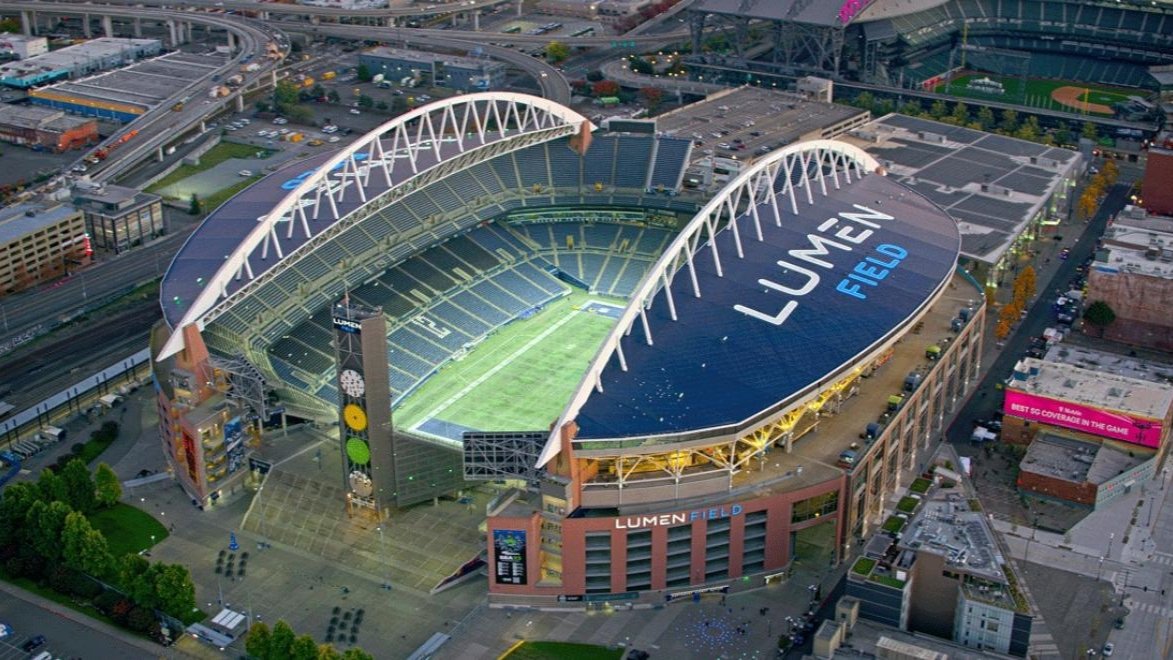

Lumen Field in Seattle hosts a Group G fixture of the 2026 FIFA World Cup today when Belgium face Egypt. FIFA strips commercial branding from all host venues during the tournament, so the stadium is known officially as Seattle Stadium for the competition.
The Vision and Construction
Seattle Stadium was built on the site of the demolished Kingdome, following a statewide vote in 1997 that approved public funding and created the Washington State Public Stadium Authority to oversee ownership. Seahawks owner Paul Allen formed First and Goal Inc. to develop the project.
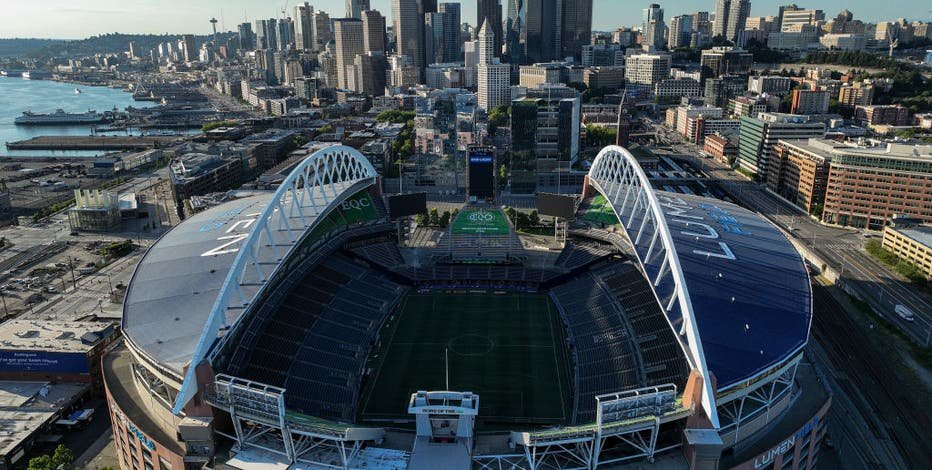
Seattle Stadium roof /Fox13Seattle
Construction ran from 2000 to 2002, and the stadium opened on July 28, 2002, originally named Seahawks Stadium. The construction cost came to $430 million (approximately KES 55.6 billion) for the wider complex, equivalent to roughly $770 million in 2025 dollars.
Architecture firm Ellerbe Becket, working alongside Seattle's LMN Architects, designed the 1.5 million square foot (140,000 square metre) project. Magnusson Klemencic Associates handled structural engineering, with Turner Construction as general contractor.
World Cup Debut and International Events
Seattle Stadium has changed names several times through corporate sponsorships, becoming Qwest Field in 2004, CenturyLink Field in 2011, and Lumen Field in 2020. It hosted Super Bowl XLVIII celebrations after the Seahawks' first championship, along with Copa América 2016 matches.
Belgium and Egypt open the venue's World Cup tournament today in a Group G fixture also featuring Iran and New Zealand. The stadium hosts further group stage and knockout matches through the tournament.
Engineering and Design
Allen was closely involved in the design process, insisting on an open-air venue that preserved views of downtown Seattle and Puget Sound. The result is a horseshoe configuration with an open north end framing the city skyline.
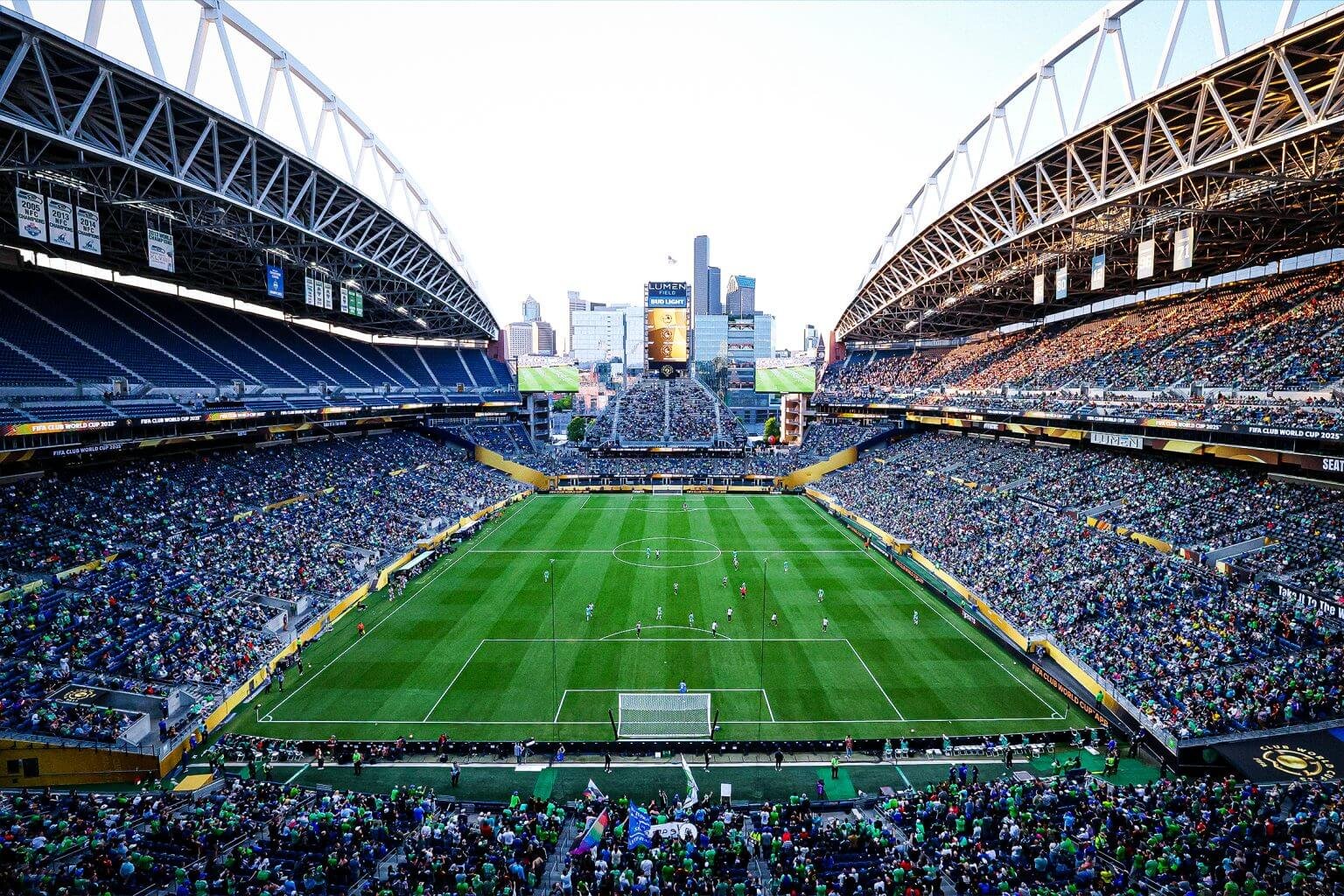
Inside Seattle Stadium /The Athletic
The roof consists of dual steel-tied arches spanning 720 feet (219 metres), supported by towers fitted with friction-pendulum dampers to absorb seismic movement, a critical feature given Seattle's earthquake risk. The stadium sits on more than 2,200 deep-driven piles.
The partial roof canopy covers roughly 70 percent of the seating bowl. It was engineered not only to shield fans from Seattle's rain but to direct sound waves back toward the pitch, concentrating crowd noise rather than letting it disperse upward.
Modern Setup for 2026
That acoustic design has produced measurable results. In 2013, fans recorded 137.6 decibels during a Seahawks game, a Guinness World Record for the loudest crowd roar at an outdoor stadium, loud enough to register as seismic activity on nearby instruments.
Seattle Stadium has a standard capacity of 68,740, expandable to 72,000 for major events. FIFA's natural grass requirement means a temporary surface has been installed over the venue's usual synthetic turf for the tournament.
What Makes It Unique
No other World Cup venue in this tournament holds a Guinness World Record for crowd noise. The roof's acoustic properties were a deliberate design choice from the outset, not an accidental side effect of building for Seattle's weather.
The open north end remains one of the most photographed features in American sport, framing the Space Needle and downtown skyline directly behind the pitch, a backdrop now shared with two World Cup teams making their tournament bow.
Good to the teams.
Comments (0)
Leave a Comment
No comments yet. Be the first to share your thoughts!