
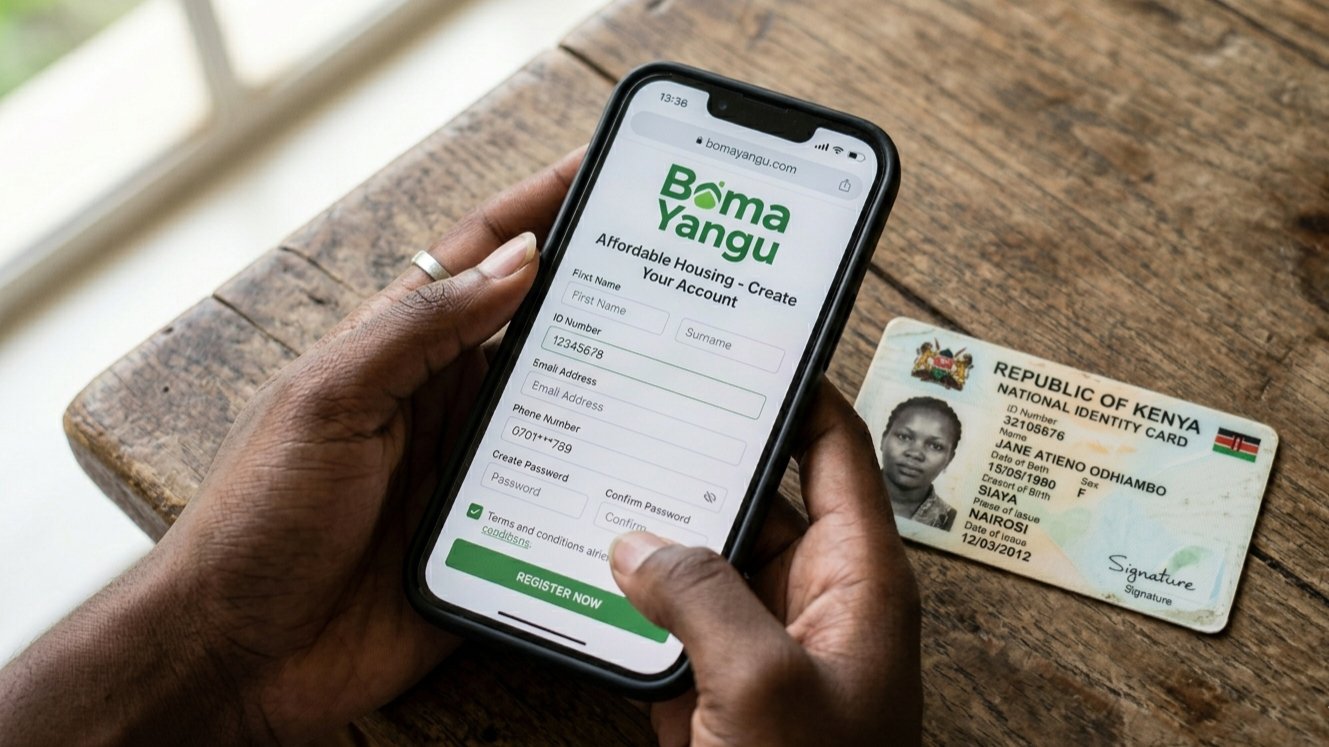

Low activity levels on the Boma Yangu portal indicate a significant disconnect between interest in the government housing agenda and the actual commitment of funds by the public. Data from the state reveals that 816,780 Kenyans registered on the digital platform have never made any contribution toward the units they hope to occupy.
This figure represents nearly 80 percent of the total registered pool, highlighting a deepening trend of savings apathy that complicates the state's plan to deliver 250,000 units annually. While registration is a free process requiring only an eCitizen account and a national identity card, the lack of follow-through suggests that many citizens are either unable or unwilling to commit their income to the fund.
The fund reported receiving approximately Sh1 billion in the year ended June 2025, a figure that remains modest when weighed against the scale of nationwide construction. Only a tiny fraction of the registered members have shown substantial commitment, with just 46 individuals having contributed above Sh1 million as of the end of the 2025 financial year.
President Ruto has consistently defended the program as a primary driver for job creation and economic stability, yet the voluntary side of the fund remains sluggish. To activate an account, a minimum deposit of Sh200 is required, after which members are expected to save 10 percent of a unit's value to become eligible for allocation.
Construction of several estates is ongoing in locations such as Alego Usonga, Siaya, and Bahati in Nakuru, but these projects require a steady flow of capital. The National Treasury recently had to intervene to manage liquidity issues elsewhere in the program, including a Sh25 billion bailout for stalled projects where funds were tied up in Treasury Bills.
Statutory contributions remain the backbone of the fund, with employees and employers each contributing 1.5 percent of gross salaries. However, for those in the informal sector or those seeking to boost their chances of allocation through voluntary means, the lack of participation creates a bottleneck.
The current statistics underscore the challenge of converting public interest into the financial liquidity necessary to sustain large-scale infrastructure. Without a significant shift in how Kenyans interact with the Boma Yangu portal, the reliance on mandatory levies will likely increase to cover the deficit left by the voluntary savings segment.
Comments (0)
Leave a Comment
No comments yet. Be the first to share your thoughts!