

A parliamentary committee is raising serious concerns over continuous delays in passing legislation to grant independent oversight over housing funds. Members of the Constitution Implementation Oversight Committee (CIOC) warn that the current gap leaves vast sums vulnerable to potential abuse.
At the centre of the dispute is the Office of the Controller of Budget (CoB), which currently lacks explicit legal authority to supervise the fund. Legislative gaps prevent independent tracking of revenue collected for national housing projects.
National Treasury records show that the state collects roughly Sh63 billion annually through the statutory deduction. Every month, formal sector workers and employers contribute approximately Sh5.2 billion toward the mandatory housing initiative.
Controller of Budget Margaret Nyakang'o told lawmakers that existing legal barriers severely restrict her constitutional mandate. She explained that without explicit statutory amendments, her office cannot audit or track these specific public funds effectively.
To resolve the oversight gap, lawmakers are pushing for swift amendments to the Public Finance Management (PFM) Act. The proposed changes would bring all special state funds under direct supervisory control of the CoB.
Legislators also want an integrated digital payment system created between the National Treasury and the Central Bank of Kenya (CBK). This connection would trace every shilling from initial collection to final site expenditure.
Concerns over fund management have grown following parliamentary reports highlighting unauthorized bank accounts operated by spending agencies. Committee members noted that bypassing standard accounting procedures increases the risk of financial waste on ongoing projects.
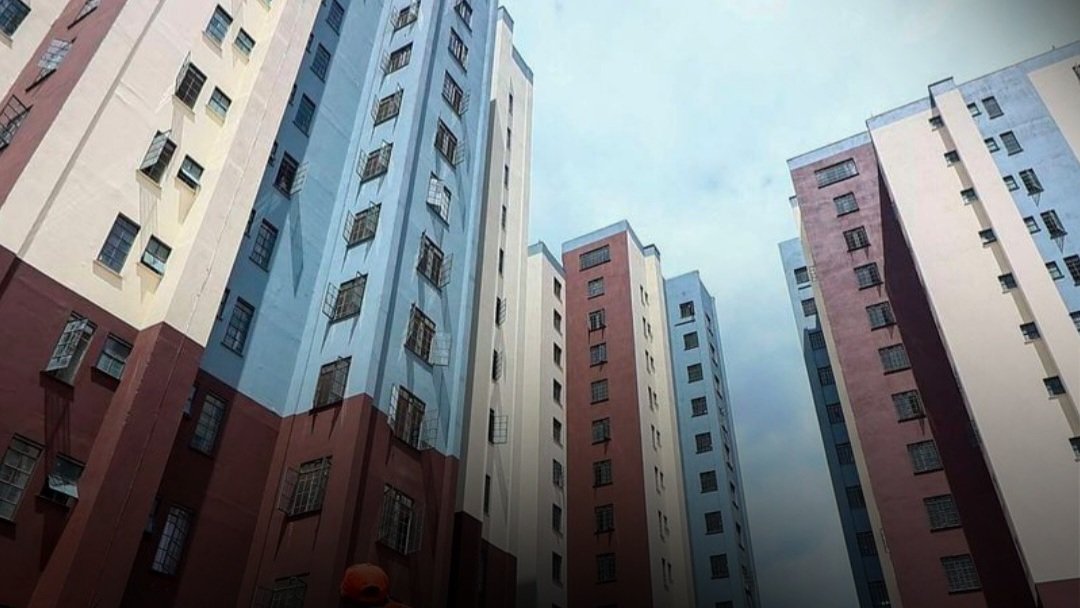
The Affordable Housing Programme (AHP), championed by President William Ruto, aims to construct thousands of low-cost housing units across the nation. However, delayed fund disbursements and procedural hurdles have slowed implementation on several active urban sites.
The Kenya Revenue Authority (KRA) collects the 1.5 per cent levy directly from monthly payrolls across the country. While revenue collection remains consistent, lawmakers insist that financial controls must match the scale of public contributions.
In recent submissions to Parliament, the Affordable Housing Fund Board requested stronger legal powers to enforce compliance. Board members noted that expanded enforcement could yield additional billions annually from non-compliant entities.
Despite these collection efforts, oversight authorities stress that financial transparency must take priority over aggressive revenue targets. Without statutory enforcement powers, the CoB cannot penalize state officers who breach financial regulations.
Parliamentary leaders now plan to table statutory amendments to grant the CoB full access to primary expenditure data. The proposed reforms aim to ensure that public contributions directly fund residential construction across Kenya.
Contractors and urban planning experts have welcomed calls for tighter monitoring of public construction accounts. Clear accounting standards protect project pipelines, ensuring contractors receive timely payments for completed structural works.
As legislative debates continue in Parliament, public scrutiny of the housing fund remains exceptionally high. Citizens and worker unions continue demanding complete transparency regarding how their mandatory monthly contributions are utilized.
Lawmakers emphasize that establishing strong statutory controls is essential for maintaining public trust in state infrastructure programs. Parliament is expected to prioritize the oversight amendments when debate resumes in the coming weeks.
Comments (0)
Leave a Comment
No comments yet. Be the first to share your thoughts!