
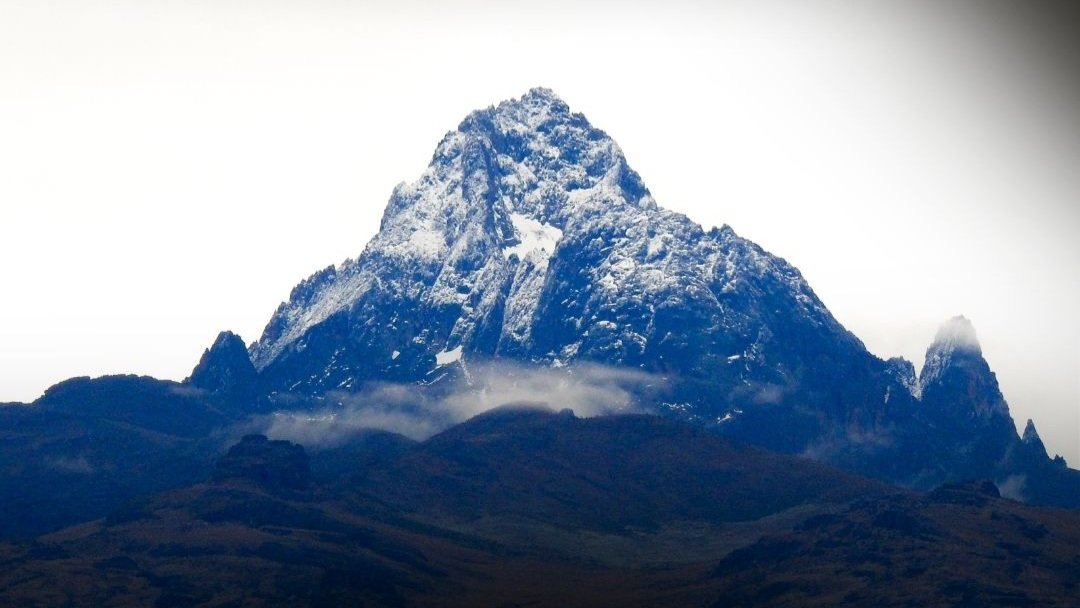

Scientists have issued an urgent warning over the rapid degradation of glacial ice on Mount Kenya, forecasting complete melt within three to five years. The accelerated retreat strips Africa of one of its most critical high-altitude freshwater reservoirs.
Data from the World Meteorological Organization (WMO) indicates that environmental degradation has outpaced earlier projections significantly. In previous assessments, climatologists estimated that the mountain would retain its ice fields for at least another decade.
Recent satellite mapping shows the glacier area on the mountain has dropped by over 96 percent compared to early twentieth-century baselines. Current surface cover measures just a fraction of its historical peak, leaving exposed rock face across upper elevations.
Hydrological engineers warn that the total loss of upper catchment glaciers will disrupt key downstream river systems across Kenya. The affected basins feed agricultural zones, regional municipal water schemes, and energy generation assets.
The Tana River and Ewaso Ng'iro channels rely on steady meltwater from upper alpine slopes during drier months. Reduced baseline flows threaten regional water security and jeopardize civil engineering projects dependent on reliable hydrologic inputs.
Authorities from the Water Resources Authority (WRA) continue monitoring flow rates as seasonal fluctuations become increasingly volatile. Reduced runoff alters riverbed sedimentation patterns and accelerates erosion downstream, complicating dam operations.
Civil engineering contractors operating along major river corridors face heightened risks from changing hydrologic conditions. Siltation behind major hydroelectric reservoirs reduces power generation capacity and raises long-term maintenance overhead.
Upstream water intake stations serving urban populations will require significant infrastructural retrofits to adjust to variable flow rates. Municipalities may need to build larger buffer reservoirs to store seasonal floodwaters that previously accumulated as ice.
The loss of permanent snowpack on Mount Kenya mirrors trends observed across other tropical high-altitude ranges across East Africa. Nearby systems in the Rwenzori Mountains and Mount Kilimanjaro also show steady decline under rising ambient temperatures.
Environmental engineering specialists emphasize that structural adaptation planning must begin immediately to safeguard rural and urban water supply networks. Sustainable catchment management remains essential as natural storage capacity vanishes from upper mountain peaks.
Public works departments and regional development boards must evaluate vulnerable water conveyance infrastructure across affected counties. Investing in robust storage facilities and groundwater recharging systems offers a viable defense against recurring supply shortages.
Resource managers emphasize that waiting for total deglaciation before taking structural action will severely increase emergency mitigation costs later. Infrastructure resilience strategies must align directly with updated climate models to protect communities living along downstream basins.
Regional economic planning must incorporate these hydrological shifts into long-term master plans for agriculture and power distribution. Immediate intervention will help buffer communities against the severe consequences of disappearing mountain glaciers.
Comments (0)
Leave a Comment
No comments yet. Be the first to share your thoughts!