
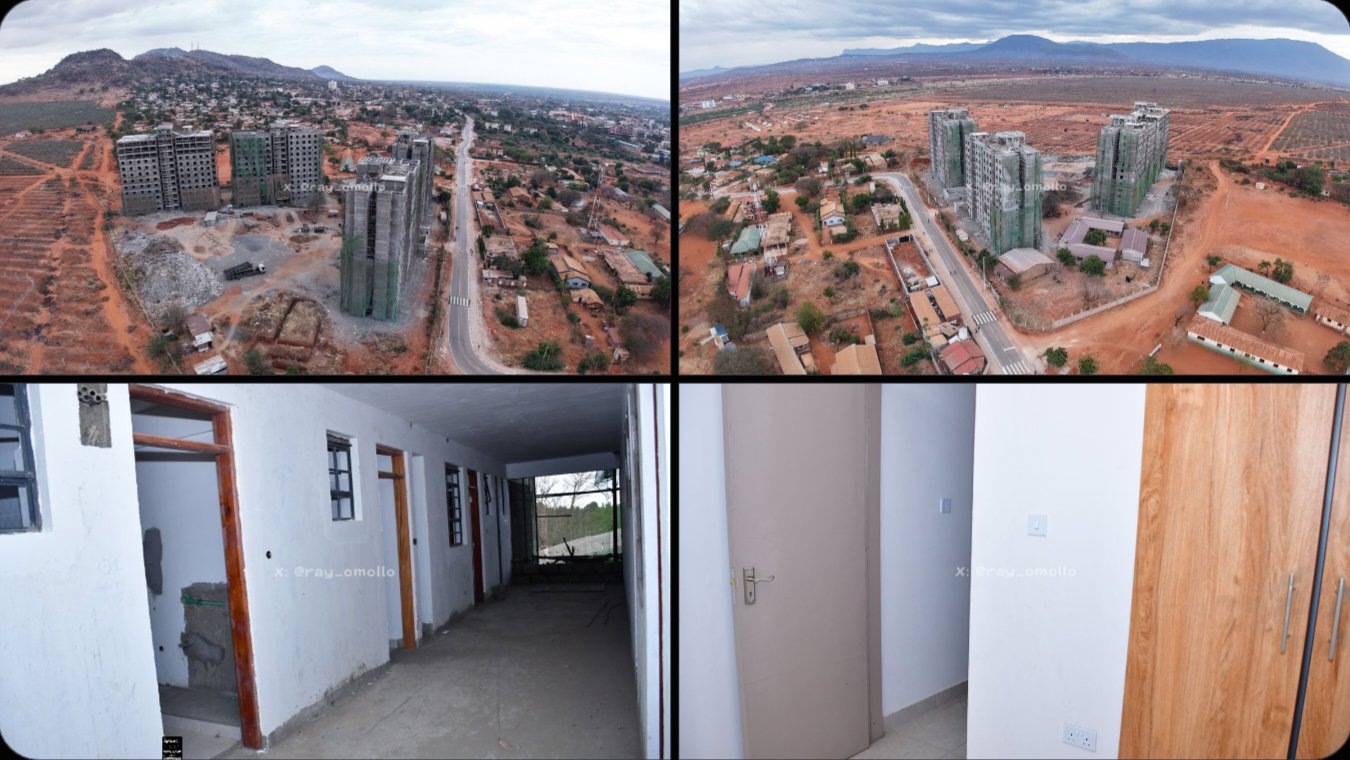

Civil administration agencies have intensified ground oversight across active affordable housing developments to maintain project timelines and protect site personnel.
The State Department for Internal Security and National Administration (SDISNA) is coordinating security protocols across designated building zones, which ensures that construction continues without disruption.
Inter-agency management remains essential as Kenya expands the Affordable Housing Programme (AHP) into rural and peri-urban locations.
National Government Administrative Officers (NGAO) are working alongside private contractors, which helps minimize site disputes and prevents material theft during critical construction phases.
Under the current delivery framework, ongoing housing projects serve as active technical training grounds for neighborhood youths.
Local workers receive hands-on experience in masonry, steel fixing, and electrical installations directly from site supervisors, which equips them with practical skills for future building ventures.
The localized approach to material procurement is channeling construction capital directly into surrounding enterprise supply chains.
Small enterprises supplying timber, quarry aggregate, and fabricated metal fittings have secured steady order volumes, which supports business growth within nearby township economies.
Site security measures managed by local administrators have established stable working environments for technical teams in regional locations.
Field reports indicate that consistent site presence deters vandalism, although project managers must remain vigilant as heavy structural work proceeds toward completion.
President Ruto has repeatedly emphasized that state infrastructure projects must yield immediate economic benefits for host communities.
The integration of local labor forces aligns directly with national policies aimed at reducing youth unemployment through direct engagement in capital works.
Contractors operating under the State Department for Housing and Urban Development (SDHUD) report that early perimeter fencing and utility connections have reduced operational delays.
These baseline security setup steps allow building crews to run extended shifts, which keeps structural concrete pours on schedule.
To ensure long-term project viability, design engineers are incorporating energy-efficient features and structured waste management systems across active residential plots.
Modern building layouts prioritize natural cross-ventilation and solar water heating equipment, which will lower recurring utility expenses for future project occupants.
Administrative officers continue to conduct routine site walkthroughs alongside regional technical inspectors. These joint evaluations monitor environmental compliance, while verifying that sub-contractors maintain statutory safety standards for high-rise scaffolding, crane operations, and heavy site machinery.
With structural framing advancing rapidly across multi-storey blocks, engineering crews are preparing for internal finishing works.
Plumbing installations, surface plastering, and joinery work will require specialized artisan teams, who are currently being recruited from regional vocational training institutes.
Public capital investments yield durable urban benefits when structured spatial planning accompanies high-density residential construction.
The alignment between security management and urban development agencies provides a stable operational environment, which accelerates project execution while maintaining strict engineering parameters.
Community leaders have welcomed the inclusion of local youth in daily site operations, noting that consistent wages help stabilize neighborhood households.
Formal skills certification offered upon project completion will further assist these skilled workers, when seeking employment on future regional building projects.
By combining physical site security with localized recruitment, public sector managers aim to establish a reproducible model for national infrastructure execution.
The strategy seeks to deliver modern residential developments, while generating continuous technical employment across Kenya's forty-seven counties.
Comments (0)
Leave a Comment
No comments yet. Be the first to share your thoughts!