

A version of this article was posted on X by Amos Kibaru.
Deep concrete channels and unlined side ditches remain a standard sight across major highways and municipal streets in Kenya. These open structures channel heavy runoff away from asphalt surfaces, but they present significant daily hazards for pedestrians and motor vehicles.
Civil engineers working under the Kenya Urban Roads Authority (KURA) frequently specify open trapezoidal or rectangular drains alongside new road corridors. These designs cost substantially less to construct than subterranean storm sewers, which require extensive excavation and reinforced concrete piping.
Budget constraints during initial road development heavily favor surface drainage systems. When regional funding limits overall project scope, contractors prioritize surface protection over concealed underground utility networks.
Tropical rainfall patterns across the region generate intense, rapid surface runoff during seasonal downpours. Open channels accommodate large volumes of storm-water quickly, which prevents immediate flooding on rural carriageways and urban link roads.
Maintenance requirements also drive the selection of open side drains over underground curb inlets. High siltation rates and unpaved shoulders cause loose soil to wash into drainage networks, which rapidly clogs enclosed underground pipes.
Solid waste accumulation further complicates urban drainage management across major towns. Open trenches allow municipal crews to spot and clear blockages manually, whereas subterranean culverts require specialized mechanical desilting equipment that many local councils lack.
Despite these functional benefits, open channels present severe safety risks in densely populated areas. Pedestrians often lack dedicated sidewalks, which forces children and commuters to walk dangerously close to deep, exposed drops.
Erosion along unlined ditch banks regularly weakens surrounding road shoulders over time. Vehicle tires that drift off narrow lanes risk falling into open concrete channels, which causes vehicle damage and severe traffic disruptions.
The Kenya National Highways Authority (KeNHA) has gradually introduced covered precast concrete slab drains along selected urban corridors. However, cover slabs are frequently damaged by heavy trucks, or stolen for scrap and secondary construction materials.
Modern urban planning standards now emphasize integrated Non-Motorized Transport (NMT) infrastructure. Civil design guidelines encourage continuous pedestrian walkways built over covered drainage channels, which creates safer urban corridors for public movement.
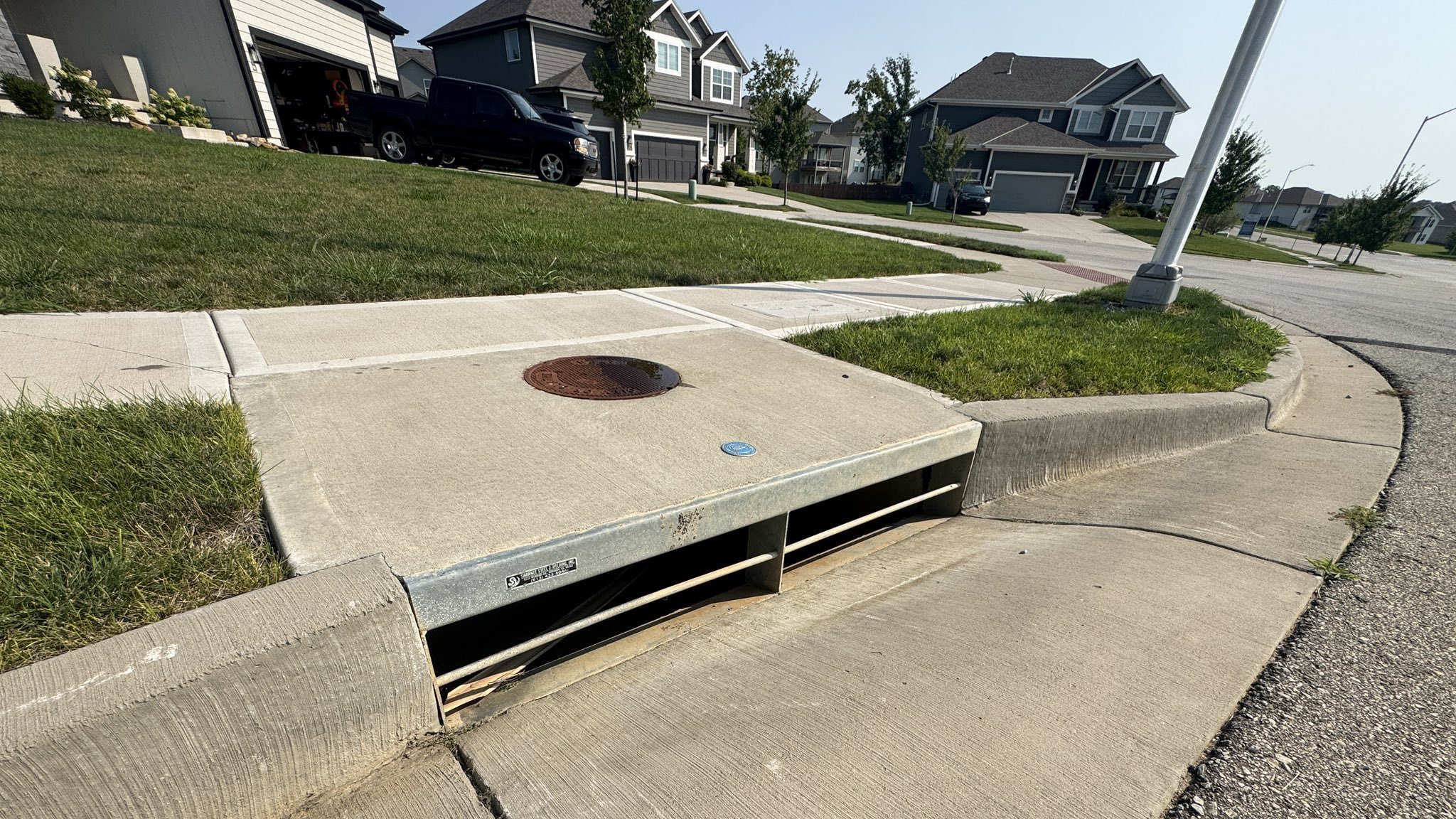
Engineers in developed economies typically utilize curb inlets and underground storm networks in residential neighborhoods. These systems keep streets visually clean and safe for foot traffic, but they require rigorous maintenance and continuous debris control.
Adopting underground drainage universally across Kenyan road projects remains a financial and operational challenge. High upfront capital expenditure and limited municipal maintenance capabilities continue to favor simple surface drainage channels.
Public policy under the administration of President Ruto continues to prioritize expanded paved road networks across secondary towns. Expanding coverage often takes precedence over costly underground storm installations, which keeps open side drains as the primary construction choice.
Transitioning toward safer curb inlets will depend on larger municipal budgets and improved waste management. Until structural maintenance capabilities match advanced urban designs, open drainage trenches will remain a feature of local road engineering.
Comments (0)
Leave a Comment
No comments yet. Be the first to share your thoughts!