
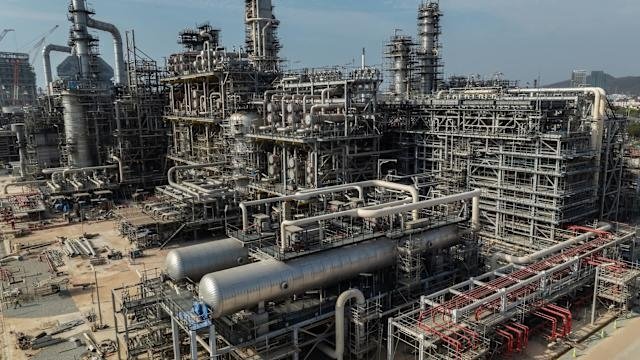

Nigeria's Dangote Refinery has broken ground on a significant expansion at its Lekki complex near Lagos. The addition of a 700,000-barrel-per-day crude processing unit marks the next phase for the facility that already operates as the continent's biggest.
The current refinery runs at 650,000 barrels per day. Once the new unit comes online, total capacity could reach around 1.4 million barrels per day by the end of 2028. That scale would place it among the world's largest refining sites.
Aliko Dangote, the billionaire industrialist behind the project, has steered the complex through initial ramp-up. The refinery reached near-full utilisation earlier this year. That performance helped Nigeria shift to a net exporter of gasoline for the first time.
The facility also exported notable volumes of jet fuel to Europe during periods of global supply strain. Such output demonstrated the refinery's growing influence beyond domestic needs.
For the construction sector the expansion brings fresh activity. Building the new processing unit involves large-scale civil works, structural steel erection, piping installations and specialised mechanical systems. These tasks demand skilled labour, heavy equipment and reliable material supply chains.
Contractors familiar with oil and gas infrastructure projects will find opportunities in the coming phases. Similar developments often require robust foundations, extensive underground utilities and safety-compliant facilities. Past delays at the Dangote site highlighted the importance of consistent funding and project management.
The works tie into broader regional infrastructure patterns. Kenya has pursued its own energy projects, including oil import facilities and potential refining capacity. Developments in Nigeria offer lessons on execution at massive scale, from procurement of heavy industrial components to integration of processing units.
Local firms in Kenya's built environment monitor such projects for potential partnerships or technology transfer. Large refining complexes generate demand for cement, steel fabrication and electrical systems that echo requirements on domestic road, housing and power schemes.
The expansion arrives as Nigeria seeks greater fuel security. Reduced reliance on imports can shield the economy from international price swings. At the same time, it underscores the capital-intensive nature of energy infrastructure.
Construction timelines remain tight. Completion of the new unit by late 2028 will test coordination among engineers, suppliers and regulators. Industry observers will watch for any supply chain bottlenecks or technical hurdles along the way.
In Kenya, where infrastructure investment continues across roads, housing and energy, the Dangote example illustrates both ambition and complexity. Successful delivery could strengthen Africa's position in global fuel markets while showcasing execution capabilities for future mega-projects.
Officials and stakeholders expect the added capacity to support exports and domestic supply. The coming months will reveal more details on contractor involvement and specific construction milestones.
Comments (0)
Leave a Comment
No comments yet. Be the first to share your thoughts!