
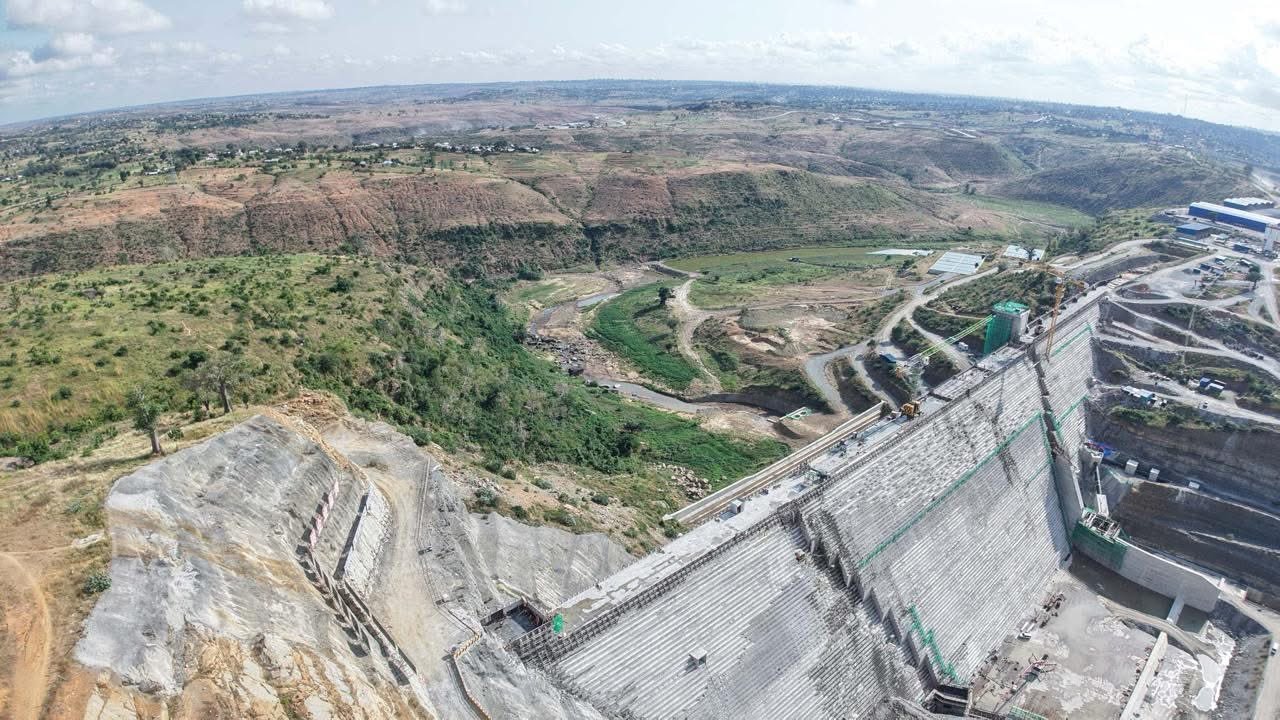

Egyptian officials have issued a firm warning against any uncoordinated hydrological developments along the Nile River basin. Cairo confirmed it will reject unapproved dam construction upstream.
Speaking at a press conference in Cairo, Irrigation Minister Hani Sewilam stated that Egypt will not allow Ethiopia to construct additional barriers. His statement follows media reports detailing preliminary plans for three new mega-dams.
Ethiopian authorities have not issued an official response to the latest statements from Cairo. The silence comes as diplomatic friction over the Grand Ethiopian Renaissance Dam (GERD) enters another critical phase.
Cairo has repeatedly demanded a legally binding mechanism to regulate water releases and operational data exchange. Minister Sewilam emphasized that operating large hydraulic structures without coordination creates severe risks for downstream nations.
Sudan remains in an extremely difficult position due to missing operational data from the upstream Ethiopian reservoir. Sudanese authorities struggle to manage their own domestic dams without accurate forecasts regarding timing and water volumes.
Egyptian officials stressed that Sudan cannot be blamed for sudden water management disruptions under current conditions. Primary responsibility rests with project administrators in Addis Ababa, who refuse binding commitments on data sharing.
Egypt reaffirmed its commitment toward reaching a formal trilateral agreement with Sudan and Ethiopia. Diplomatic negotiations resumed in 2023 after a three-year pause, but talks stalled again in 2024.
The GERD project first broke ground along the Blue Nile in 2011. Since construction commenced, downstream states have expressed serious concerns over seasonal water security, power generation, and agricultural stability.
The Nile River stretches approximately 6,650 kilometers across northeastern Africa, making it a critical shared resource. Eleven sovereign states share its vast drainage basin, including Kenya, Uganda, Tanzania, Rwanda, Burundi, South Sudan, and the Democratic Republic of the Congo (DRC).
With major hydraulic engineering projects expanding across the continent, cross-border technical coordination remains vital. Construction experts note that uncoordinated civil engineering projects on shared waterways increase operational risks and diplomatic friction.
Cairo relies almost entirely on the river for municipal drinking water, industrial processing, and extensive agricultural irrigation. Any unexpected reduction in water volume severely impacts farming communities, who depend on predictable seasonal flows along the Nile Delta.
Sudan also requires consistent flow data to regulate its downstream hydroelectric facilities and flood management structures. Without reliable water release schedules, local civil engineers face immense challenges during peak flood periods.
Ethiopia maintains that mega-hydroelectric developments are essential for regional energy generation and industrial expansion. Ethiopian officials assert that the massive reservoir will not cause significant harm to downstream water supplies.
Infrastructure contractors across Africa closely monitor these developments. Future water infrastructure funding, transboundary environmental impact assessments, and dam engineering standards depend heavily on binding regional treaties.
As water demands rise across East Africa, cross-border engineering dialogue becomes imperative for sustainable water utility management. Downstream countries continue calling for full technical transparency on all upcoming construction proposals.
Without clear data-sharing protocols, ongoing water security concerns could delay broader regional infrastructure planning. Regional stakeholders hope renewed negotiations will establish lasting technical standards for all riparian nations.
Until a formal binding treaty is finalized, disputes over major civil engineering developments on the Nile will continue shaping diplomatic and infrastructure policies throughout the region.
Comments (0)
Leave a Comment
No comments yet. Be the first to share your thoughts!