
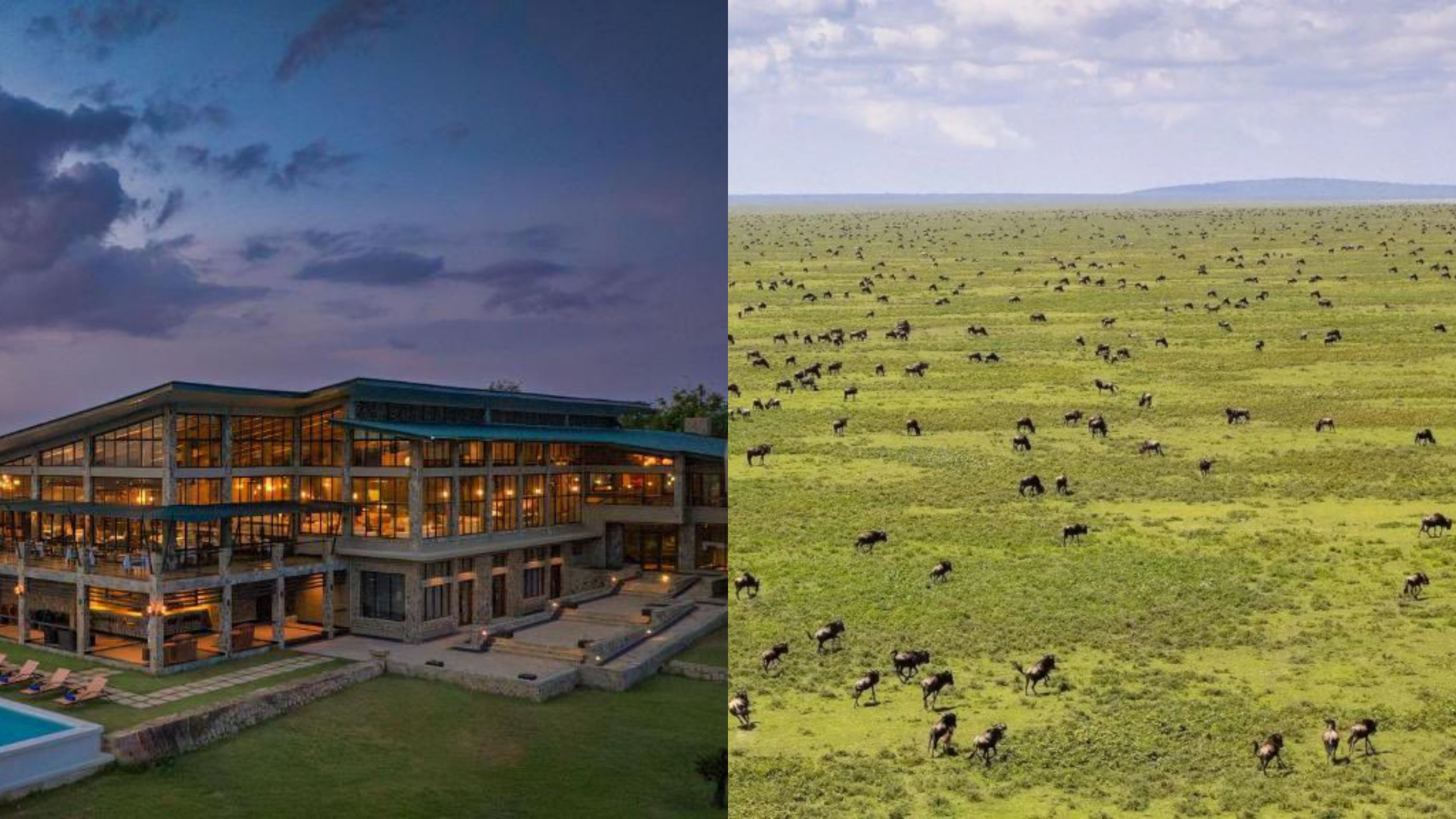

Tanzania has signaled a major expansion of its hospitality sector following the inauguration of the $13 million Mikumi Wildlife Lodge. The luxury facility is located within Mikumi National Park, one of the country's most prominent safari destinations.
The Prime Minister, Dr. Mwigulu Nchemba, presided over the opening ceremony yesterday. The development represents a high-end addition to the national park's accommodation capacity, offering 5-star standards and licensed airstrip access for international and domestic visitors.
This project arrives as the government prepares for the 2027 Africa Cup of Nations (AFCON). The continental football tournament is expected to draw hundreds of thousands of fans to East Africa, placing significant pressure on existing bed space in key regions.
To address the anticipated demand, the government is reportedly planning to introduce nearly 30 new tax incentives. These measures specifically target hotel development and broader investment in the tourism hospitality chain.
Current frameworks already provide significant relief for those designated as strategic investors. Under the existing Strategic Investment (SI) framework, developers can access reduced import duties ranging from 0% to 5% for essential materials and equipment.
The upcoming incentives are expected to further lower the barrier to entry for international firms looking to capitalize on the 2027 tournament. Officials indicate that tailor-made tax arrangements are also being utilized to fast-track critical projects.
Construction of the Mikumi Wildlife Lodge highlights the focus on integrating luxury infrastructure with natural heritage sites. The facility features modern architectural designs and a large-scale swimming pool overlooking the park's plains, which are home to diverse wildlife.
Industry analysts suggest that the push for hotel construction is not merely about the month-long tournament. The government is viewing the 2027 Africa Cup of Nations (AFCON) as a catalyst for long-term growth in the tourism sector, which remains a primary source of foreign exchange.
By offering a mix of import duty waivers and bespoke tax holidays, the administration hopes to attract enough private capital to meet the rigorous accommodation requirements set by the Confederation of African Football (CAF).
The move toward specialized incentives reflects a broader regional trend. Across East Africa, governments are increasingly using fiscal policy to drive infrastructure development in anticipation of major international events.
For Tanzania, the success of the Mikumi project serves as proof of concept for the luxury segment. The $13 million investment demonstrates that high-capital projects are viable when supported by government-backed frameworks and strategic location placement.
As the 2027 deadline approaches, the construction industry expects a surge in procurement and site activity. Many of the 30 proposed incentives are likely to focus on the importation of specialized building materials and high-end interior finishing products.
The Prime Minister emphasized that these investments are crucial for ensuring the country meets international hospitality benchmarks. He noted that the integration of transport links, such as the airstrip at Mikumi, is essential for the modern traveler.
Further details regarding the specific nature of the 30 tax incentives are expected to be released during the next budget cycle. Investors are currently being encouraged to register their interests through the national investment center to benefit from the existing duty-free window.
Comments (0)
Leave a Comment
No comments yet. Be the first to share your thoughts!