
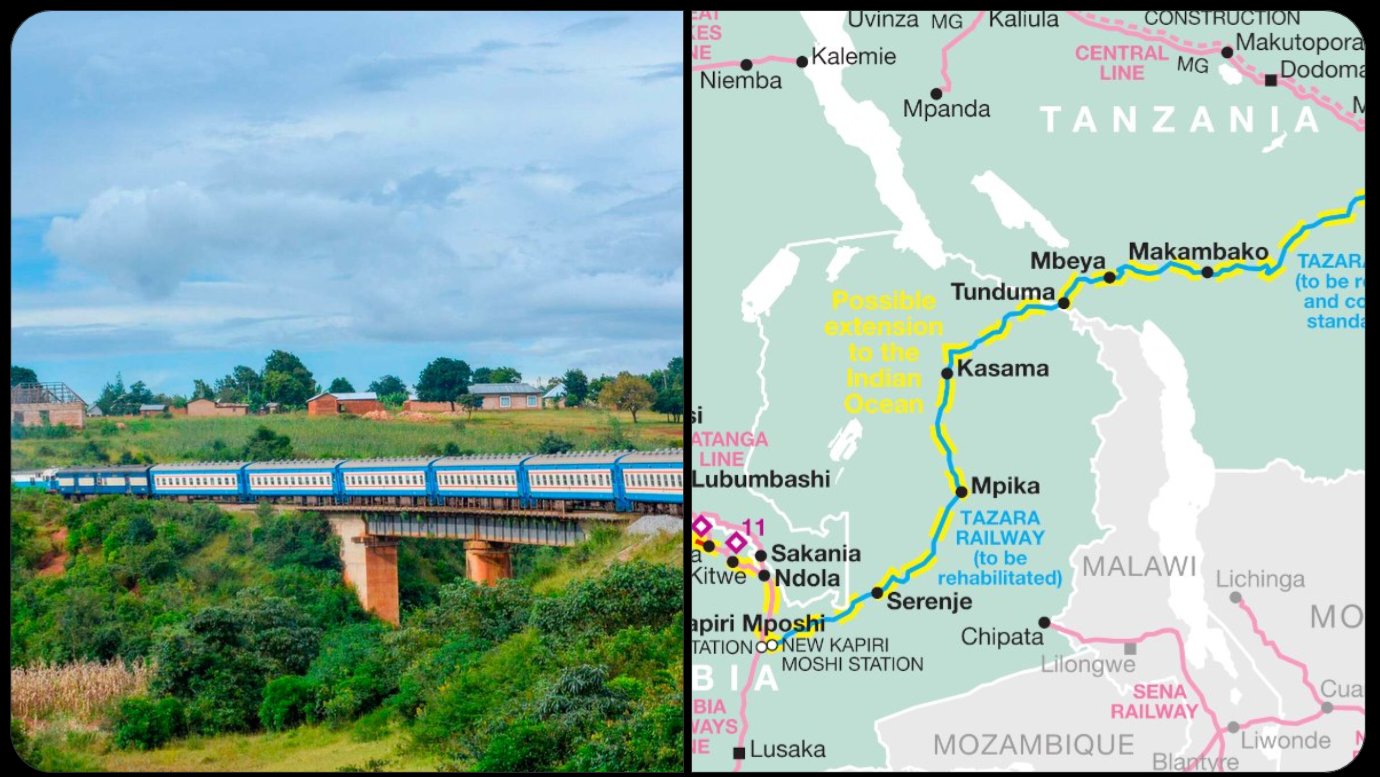

Tanzania and Zambia have officially commenced the physical modernization works on the historic 1,860-kilometre Tanzania-Zambia Railway Authority (TAZARA) line. This massive regional infrastructure asset, frequently referred to as the Uhuru Railway, is undergoing a complete operational and structural overhaul that will cost approximately 1.4 billion US dollars.
This major capital injection comes under a 30-year concession agreement signed with the China Civil Engineering Construction Corporation (CCECC), the same state-owned firm that built the line in the 1970s. The ambitious project is designed to rehabilitate deteriorating tracks, purchase new rolling stock, and restore the vital transport link.
For decades, the line has operated far below its designed capacity because of persistent underfunding, obsolete locomotive fleets, and recurring maintenance challenges. Annual freight volumes, which recently plummeted to around 100,000 tonnes, are projected to surge to 2.4 million tonnes once the comprehensive rehabilitation phase is successfully completed.
For Tanzania, the modernization of this transit route aligns with its national development strategy, specifically supporting the country's efforts to expand its trade footprint to help achieve Vision 2050. The government in Dar es Salaam intends to leverage this improved corridor to expand its market reach across East and Southern Africa, enhancing regional cargo traffic.
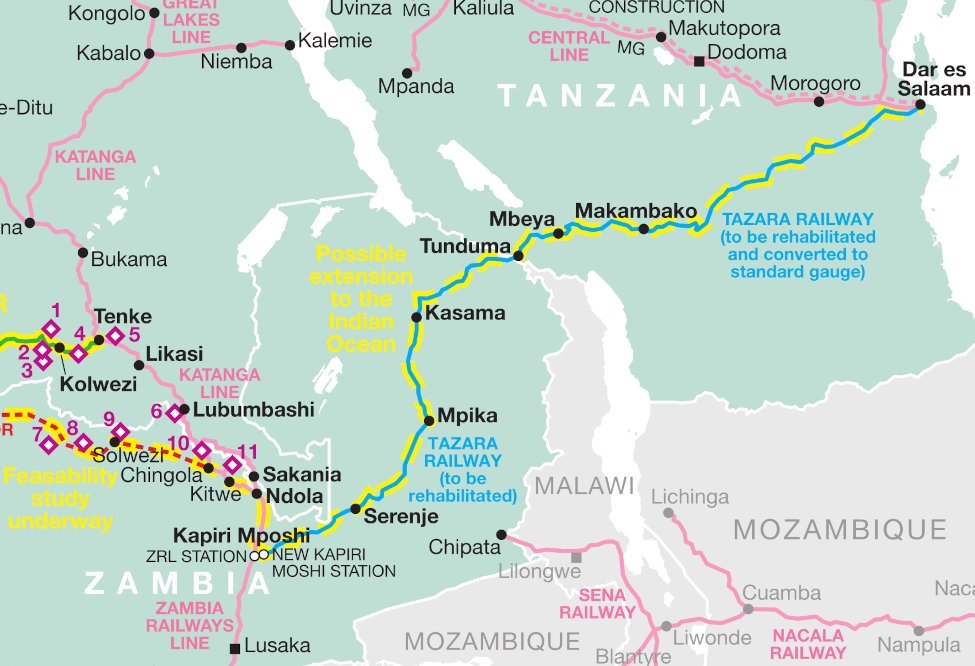
By improving heavy freight movement, the country hopes to establish its premier coastal port in Dar es Salaam as the preferred gateway for landlinked neighbors, especially Zambia, which relies heavily on reliable export routes for its copper. The project represents an investment in regional integration, industrial development, and trade competitiveness.
Under the agreed terms of the concession, CCECC will dedicate the first three years of the partnership entirely to construction and rehabilitation. The remaining 27 years will see the Chinese enterprise manage full operations of the railway line to ensure commercial viability and regular infrastructure maintenance.
The upgrade budget allocates 1 billion US dollars specifically toward the physical rehabilitation of the railway tracks, bridges, and regional workshop facilities. The remaining 400 million US dollars will go toward procuring 32 brand-new locomotives and 762 freight wagons to expand the network's capacity.
The project has deep historical significance, as the original construction of the TAZARA line in the 1970s was a monumental task that claimed many lives. Historical records show that approximately 70 Chinese engineers and 100 local workers died during the difficult construction phase, a sacrifice remembered during modern bilateral events.
Regional logistics specialists observe that this Indian Ocean corridor upgrade will intensify competition in Southern Africa, especially with the Western-backed Lobito Atlantic Railway corridor currently receiving substantial backing. African copper exporters will soon have a clear choice between Atlantic ports and Indian Ocean hubs.
Officials from both African nations, including the Tanzanian and Zambian transport ministries, remain optimistic that the revitalization will improve regional integration and trade. While the initial work begins on the ground, transport authorities from both nations are working in tandem to streamline cross-border customs procedures and minimize delays at border stations.
The physical deployment of engineering personnel and machinery marks the end of nearly two years of complex tripartite negotiations between Zambia, Tanzania, and China. This massive upgrade ensures that the historic rail link, which has connected the two sister nations for half a century, remains a vital pillar of East African trade and transport.