
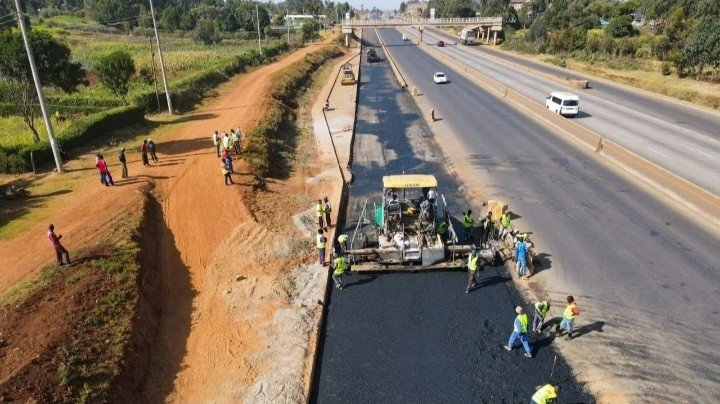

The Ministry of Transport has set June 2027 as the deadline for completing the Nairobi-Nakuru Highway, a major infrastructure project that has been underway for several years. The project, which aims to improve connectivity between Kenya’s capital and the western regions, has been closely watched by both the government and the public due to its potential impact on trade, transport and economic growth. The highway is expected to provide a faster and safer route for vehicles, reducing travel time and easing congestion along one of the country’s busiest corridors.
Construction of the Nairobi-Nakuru Highway began in 2018, with the government citing the need to modernize the transport network and accommodate the growing volume of traffic along the route. The highway covers over 160 kilometers and includes several features such as bypasses, interchanges and service lanes to improve traffic flow. The project was designed to international standards, ensuring durability and safety for road users. Despite some delays caused by weather and logistical challenges, the government remains committed to completing the highway within the set timeline.
The idea of building the highway was initiated by the Ministry of Transport in consultation with other government agencies. The project received strong backing from the president, who emphasized the importance of improved infrastructure for Kenya’s economic development. Lawmakers and local leaders from the regions along the highway also supported the project, highlighting its potential to stimulate business and trade by providing easier access to markets, ports and urban centers.
The cost of the highway has been a significant consideration for the government. So far, over 120 billion Kenyan shillings have been allocated to fund the construction, with money coming from both the national budget and international partners. The funds cover land acquisition, construction materials, labor and project management. The government has insisted on transparency and accountability in the use of public funds, ensuring that every stage of the project meets quality standards.
Completion of the Nairobi-Nakuru Highway is expected to have wide-ranging economic benefits. By reducing travel time between Nairobi and Nakuru, the highway will allow businesses to transport goods more quickly and at lower costs. Farmers and traders along the route will have improved access to markets, while industries in Nakuru, Naivasha and neighboring towns will find it easier to move products to the capital and beyond. The highway will also encourage investment in areas along the corridor, as improved infrastructure often attracts businesses, creates jobs and stimulates local economies.
In addition to economic gains, the highway will improve safety for drivers and passengers. Many sections of the old road were narrow, poorly maintained, and prone to accidents. The new highway, with its modern design, wider lanes and safety features, is expected to significantly reduce road accidents and enhance travel comfort. Transport operators have welcomed the development, noting that it will cut down on vehicle maintenance costs and improve efficiency.
Local communities along the route are also likely to benefit from improved access to social services. Health facilities, schools, and commercial centers will become more accessible, making it easier for residents to commute and for emergency services to reach remote areas. This connectivity will enhance overall living standards and contribute to regional development.
While challenges remain, including the need to maintain construction schedules and manage budget constraints, the government has emphasized its commitment to completing the Nairobi-Nakuru Highway by June 2027. The project is seen as a crucial step toward achieving Kenya’s broader development goals, including enhancing infrastructure, boosting trade and supporting economic growth. Once completed, the highway is expected to be a model for other infrastructure projects in the country, demonstrating the benefits of strategic investment in roads that connect key economic hubs.
The Nairobi-Nakuru Highway represents more than just a road, it is a major investment in the country’s future. By improving transport efficiency, reducing costs, and opening new opportunities for businesses and communities, the project has the potential to transform the way people and goods move across Kenya. With the government focused on delivering the highway on schedule, it is likely that residents, businesses and travelers will soon experience the benefits of a modern and reliable transport corridor connecting Nairobi to the western parts of the country.
Comments (0)
Leave a Comment
No comments yet. Be the first to share your thoughts!