
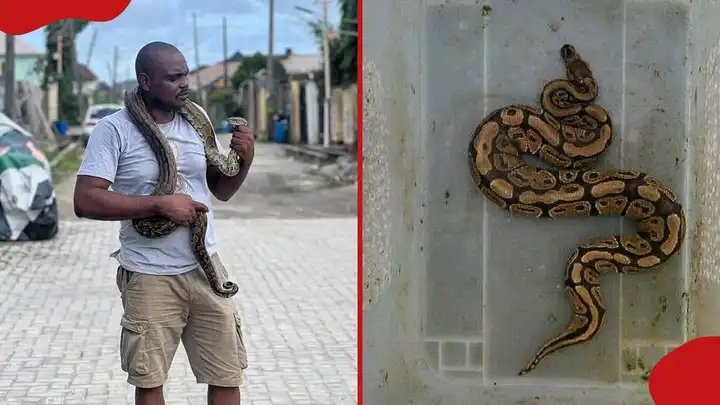

A Nigerian snake expert has highlighted subtle indicators that a snake may be present in a home without the residents realising it. Mark Ofua, founder of Saint Mark's Animal Hospital in Lagos and a wildlife conservationist since 2014, spoke in an interview with Legit.ng, republished by Tuko.co.ke on February 5, 2026.
Ofua stressed that snakes are silent, primal creatures that time human movements to avoid detection. They can coexist with people for extended periods, often going unnoticed until a bite or other incident occurs. He referenced the recent death of musician Ifunanya (Nanya Music) from a snake bite, after which three more cobras were discovered in her house, to illustrate the risks of ignorance.
The four signs Ofua outlined are practical ways to detect a hidden snake:
First, encountering strange faeces. Snake droppings differ from those of other animals and can appear in unexpected places if a serpent is living wild indoors.
Second, hearing rustling sounds in cupboards or storerooms. When a snake moves among utensils, stored items or other objects, the noise can be audible, especially in quiet moments.
Third, sounds from a snake catching prey. This includes the squealing or struggling of a rat, frog or other small animal as the snake subdues it.
Fourth, noise from a snake pursuing prey in the ceiling. Scratching or scuffling sounds overhead often indicate a snake hunting rodents in roof spaces or voids.
Ofua advised prompt investigation of any unusual sounds or signs rather than dismissing them. He noted that failing to recognise these clues can lead to prolonged cohabitation with potentially venomous snakes, increasing the chance of accidental encounters.
The warning is particularly relevant in regions where snakes enter homes seeking food, warmth or shelter, often drawn by rodents attracted to food scraps or poor waste management. In Kenya and other parts of East Africa, species like cobras, pythons and vipers occasionally appear in residential areas, especially near bushy compounds or during rainy seasons when prey is active.
While the article focuses on detection rather than removal, experts generally recommend staying calm, keeping distance and calling trained snake handlers or wildlife authorities rather than attempting to handle the animal. Preventive measures include sealing entry points, clearing clutter, controlling rodent populations and maintaining tidy surroundings to reduce appeal for both snakes and their prey.
The piece has circulated widely on social platforms, prompting discussions on home safety in snake-prone areas. For homeowners in rural or peri-urban settings, where construction often leaves gaps in walls, roofs or foundations, these signs serve as an early alert system against an otherwise hidden threat.
Comments (0)
Leave a Comment
No comments yet. Be the first to share your thoughts!