

The global landscape of vertical urbanism continues to be defined by a clear hierarchy, according to 2026 data on high-rise density. China remains the undisputed leader in the sector, maintaining a staggering inventory of 3,492 buildings exceeding 150 meters in height. This volume places the country far ahead of its nearest competitors, reflecting decades of intensive urbanization and industrial expansion across its major provinces.
Behind China, the United States holds the second position with 905 skyscrapers. While the American inventory is smaller in quantity, it remains anchored by historic hubs like New York and Chicago. US development has recently pivoted toward ultra-luxury residential towers and corporate headquarters, prioritizing architectural prestige and height over sheer volume.
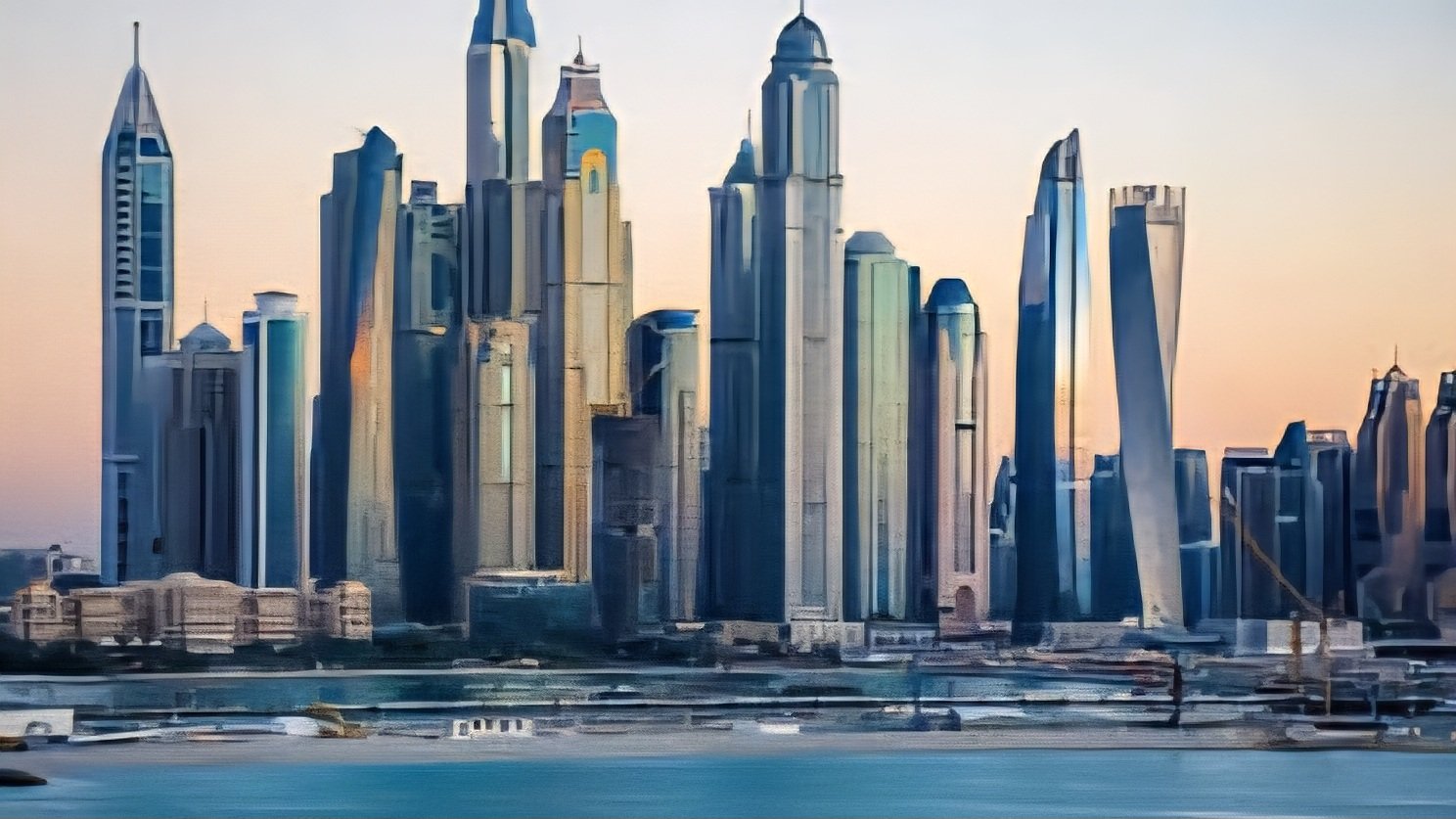
The United Arab Emirates maintains its third-place standing with 342 skyscrapers. The UAE remains a global reference point for super-tall structures, specifically through the 828-meter Burj Khalifa. Dubai and Abu Dhabi continue to use high-rise development as a primary tool for international branding and tourism, focusing on concentrated density in specific districts.
Other nations rounding out the top rankings include Malaysia, which recently completed the 679-meter Merdeka 118, and Japan. Malaysia’s 319 buildings and Japan’s 283 towers highlight the continued dominance of Asian economies in the tall-building sector. South Korea, Canada, Australia, Thailand, and Indonesia follow, completing the global top ten list for 2026.
While these global powers manage massive inventories, Kenya is making its own significant move in the regional high-rise sector. Construction has officially begun on the National Social Security Fund towers at the intersection of Kenyatta Avenue and Uhuru Highway. This KSh 30 billion development is a major addition to the Nairobi Central Business District.
The project features a 60-storey signature tower designed to reach approximately 260 meters. Upon completion, it will become the tallest building in East and Central Africa. A secondary 35-storey tower will accompany the main structure. The mixed-use development includes premium office space, a luxury hotel, and retail units, intended to modernize the city's commercial core.
President Ruto has emphasized the role of such infrastructure in the broader national strategy. The government is currently pursuing approximately 50 public-private partnership projects to reduce reliance on public debt while expanding urban capacity. These include the National Infrastructure Fund and various Special Economic Zones intended to grow the manufacturing sector's contribution to the economy.
The NSSF Towers groundbreaking comes as Nairobi experiences a shift in its skyline, moving toward higher density and mixed-use functionality. Experts note that the project aims to unlock the value of prime land in the CBD, which has faced competition from newer commercial nodes like Upper Hill and Westlands.
Global trends in 2026 show that the third generation of skyscrapers is focusing on structural resilience and multi-functional use. While China and the US lead the global count, the entry of regional players like Kenya into the super-tall category indicates a widening of the vertical development trend across the African continent.
Comments (0)
Leave a Comment
No comments yet. Be the first to share your thoughts!