

A version of this article appeared on Construction Today Kenya.
A quiet but compelling argument is gaining ground across global architecture circles, as professionals re-evaluate how modern structures interact with urban landscapes.
Writing in the international design magazine Dezeen, features editor Nat Barker put a name to a design philosophy that has been accumulating momentum across the United Kingdom (UK) and Europe for the better part of a decade.
Barker calls this emerging approach gentleism, and the term is already generating widespread debate among built-environment professionals internationally.
The philosophy defines an approach in which buildings make a modest contribution to their surroundings.
Such structures neither hide nor dominate. They say something entirely new, but they say it with restraint.
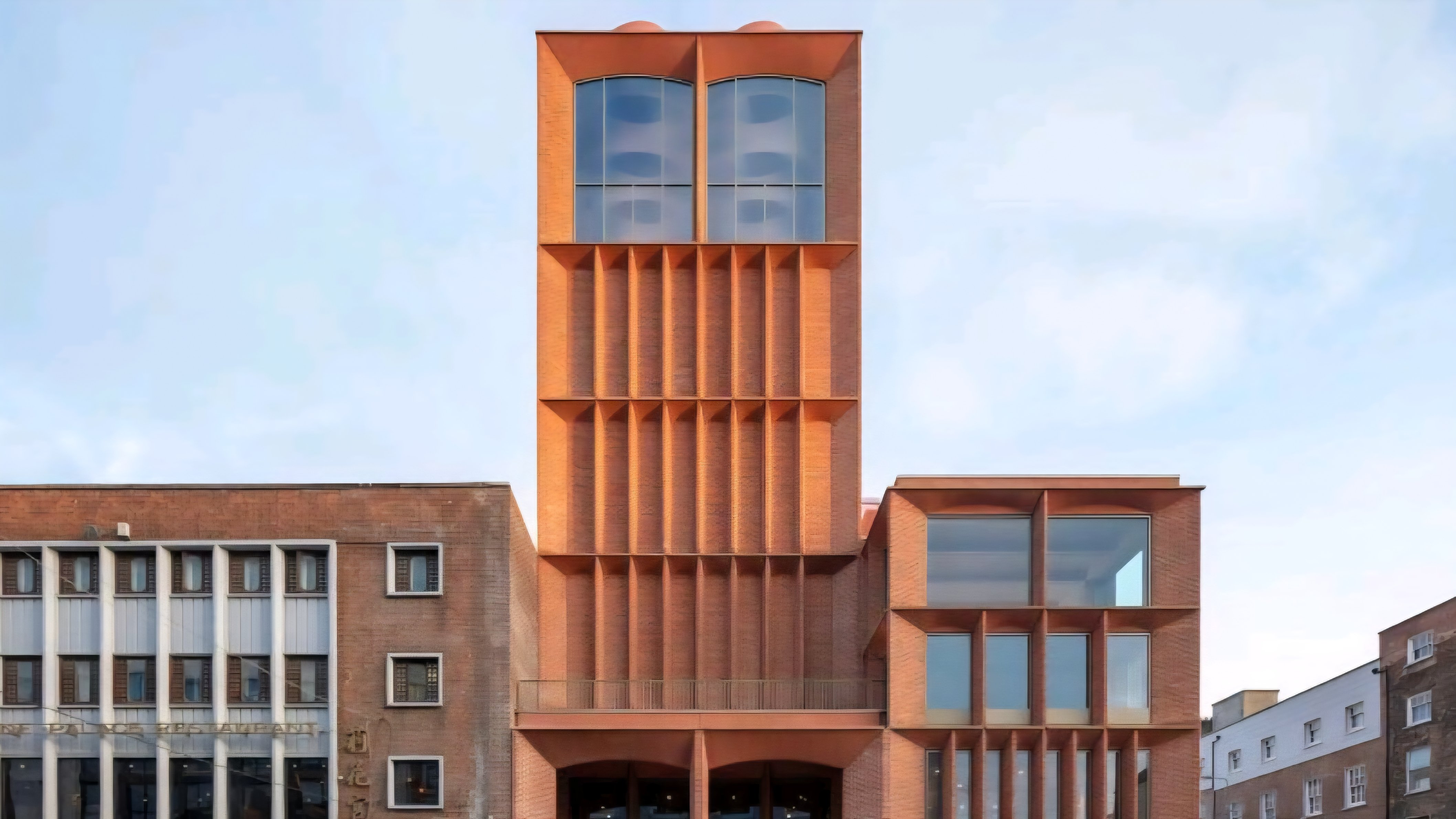
The aesthetic markers are subtle, featuring textured brickwork, bespoke window detailing, and forms that feel contemporary, yet oddly familiar.
Proponents state that it represents a scale that projects quiet confidence, rather than spectacle.
The movement is not simply theoretical. Recent winners of the Royal Institute of British Architects (RIBA) Stirling Prize reflect this gentleist sensibility.
The 2025 winner, the Appleby Blue Almshouse social housing complex in London by Witherford Watson Mann Architects, is cited as a defining example.
So is the 2023 winner, the John Morden Centre by Mae Architects, which showcased similar understated values.
Even the 2024 winner, the Elizabeth Line transit project, bears some of these distinct hallmarks through its perforations and tactile surfaces.
Barker notes that the term implies an antithetical relationship to brutalism, which is the concrete-heavy strain of modernism from the 1960s and 1970s.
While critics might argue that gentleist architecture is boring, but proponents believe it delivers sturdy buildings, which foster enthusiasm for socially conscious architecture.
For the built environment in Kenya, this conversation arrives at an exceptionally pertinent moment.
As Nairobi grows and the pressure on urban space intensifies, the temptation to equate ambition with loudness remains strong among developers.
Local professionals note that Kenyan cities are already carrying the weight of buildings, which communities never accepted, never cared for, and eventually abandoned.
Gentleism does not counsel timidity, although it counsels attentiveness to context, to neighbours, and to the people, who live alongside these structures long after completion.
In the Central Business District (CBD) of Nairobi, vertical densification often ignores historical context, which makes this philosophy highly relevant.
Local editorial commentary argues that prioritizing context over noise is not a retreat, but it represents an indication of industry maturity.
The challenge for local planners lies in balancing rapid infrastructural needs with long-term community acceptance.
Barker describes the approach as a conversation with peers, which avoids a dialogue of subservience, where adjacent buildings glow together over time.
This contrasts sharply with the concept of the unique, shiny artifact, if it seeks to isolate itself from its urban neighbors.
In Nairobi, the continuous development of commercial real estate has brought the issue of architectural sustainability to the forefront.
The Kenya Urban Roads Authority (KURA) and other urban planning bodies frequently deal with the infrastructure pressures caused by rapid vertical growth.
Integrating public transit systems with thoughtful urban design remains a primary objective for local metropolitan planning authorities.
The application of gentleist principles could guide developers toward creating more humane spaces within dense informal and formal settlements.
Critics of the current local trends argue that the focus on glassy, reflective skyscrapers often disregards the local climate and pedestrian needs.
By introducing textured brick and familiar forms, new developments can blend seamlessly into existing historic neighborhoods.
Comments (0)
Leave a Comment
No comments yet. Be the first to share your thoughts!