
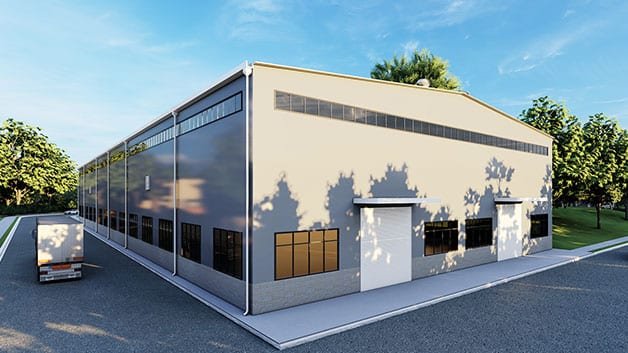

Crown Paints Kenya PLC is seeking to decentralize its manufacturing operations through a proposed Sh141 million investment in a new production facility in Lukenya, Machakos County. The project, detailed in a recent environmental and social impact assessment report, involves the construction of an emulsion binder factory alongside a plastic injection moulding plant.
The development is slated for a 9.89-acre site in the Kinanie area of Athi River. According to the project plans, the facility will consist of two primary blocks covering approximately 6,600 square metres. These structures are designed with reinforced concrete foundations and structural steel frames, featuring a mix of mezzanine levels and double volume storage spaces reaching heights of nine metres.
A central driver for the investment is the company’s current reliance on imported raw materials. Crown Paints currently imports between 600 and 700 metric tonnes of emulsion binder every month. Since water makes up approximately 50% of this binder, the firm has identified significant logistical inefficiencies in shipping large volumes of water from international markets.
By producing the binder locally at the Lukenya site, the manufacturer expects to reduce these import costs and stabilize its supply of water-based paint components, which currently account for 80% of its product portfolio.
The second component of the project, the plastic injection moulding plant, aims to standardize the company’s packaging. Crown Paints currently sources plastic buckets from various local suppliers, leading to inconsistencies in container dimensions and designs. The new plant will allow the company to manufacture its own packaging materials in-house, ensuring uniformity across its product lines.
To manage the energy requirements of the industrial processes, the proponent plans to install two solar photovoltaic systems. These will include a grid-tie system dedicated to the production lines and a hybrid system with battery backup to support administrative functions, security, and forklift charging.
The site is already designated for industrial use, and the construction phase is expected to generate temporary employment for local skilled and unskilled labor. Environmental mitigation measures outlined in the report include strict adherence to noise regulations, with work confined to daylight hours, and the implementation of dust suppression protocols during the earthworks phase.
This move follows a period of strong financial recovery for the Nairobi Securities Exchange, listed firm. In its most recent full-year results, the group reported a net profit of Sh544 million, a significant turnaround from the loss recorded in the previous year. The expansion into Lukenya reflects a broader strategy to improve operating efficiency and mitigate the impact of external supply chain shocks.
The project is currently awaiting regulatory approval from the National Environment Management Authority before breaking ground.
Comments (0)
Leave a Comment
No comments yet. Be the first to share your thoughts!