
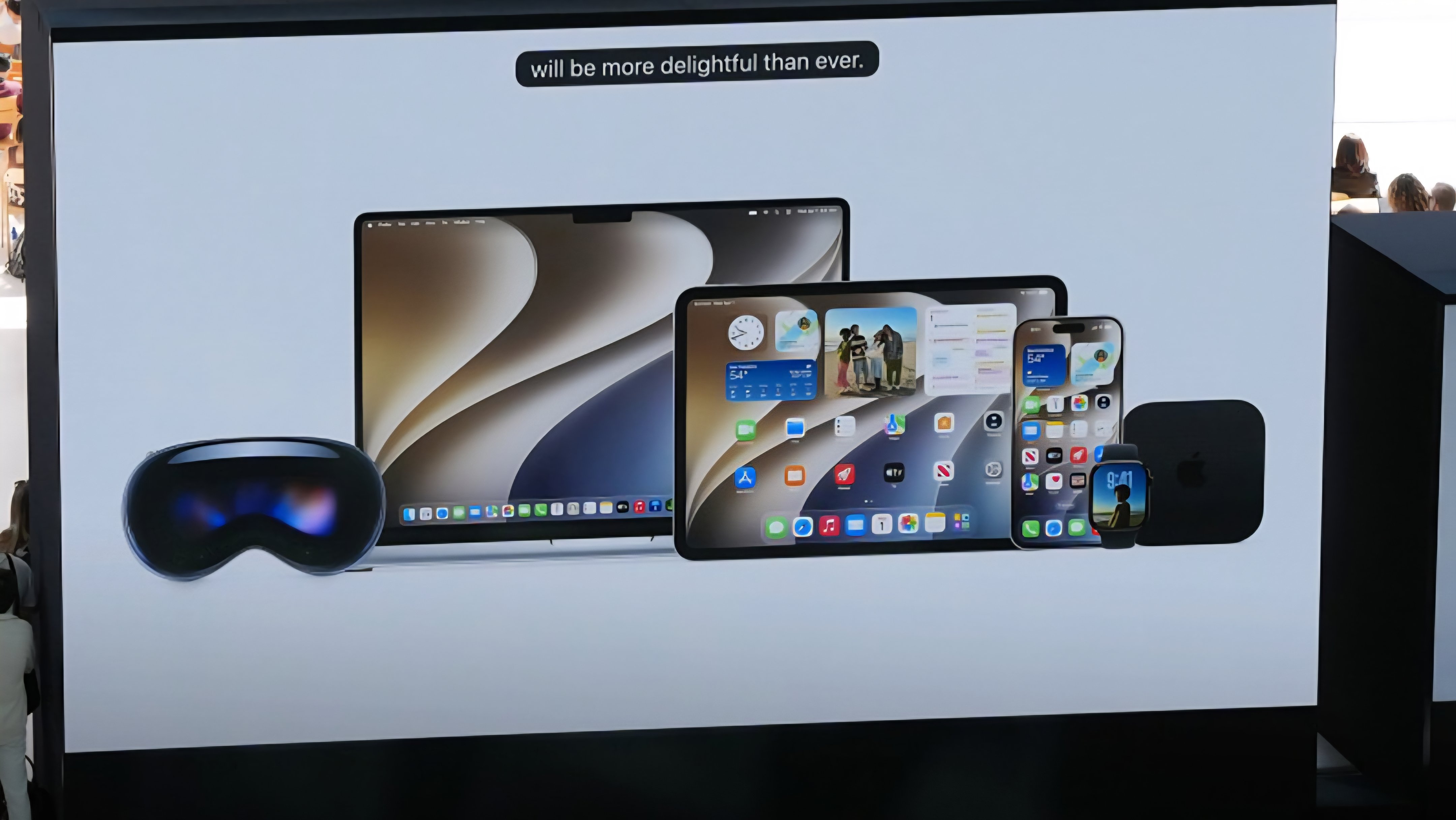

Apple has integrated direct references to folding hardware into the initial developer beta of iOS 27, providing concrete public evidence of development on an upcoming foldable smartphone.
The technical indicators, hidden within framework files and reported by Bloomberg, show the operating system adapting for flexible displays.
Software researchers discovered specific code strings, including "foldState", "mechanicalAngleDegrees", and "angleDegrees".
These particular frameworks allow the underlying software to track exactly how widely a device is opened around a central hinge mechanism, enabling responsive interface adjustments.
An updated version of the internal Apple service utility designed for hardware repairs also contains modifications to accommodate a dual-screen device.
The diagnostic program now includes entries for a secondary display, a second protective glass cover, and two additional ambient light sensors.
These configuration details match the physical infrastructure of a book-style foldable phone, which requires distinct component monitoring for both its inner and outer screen assemblies.
Beyond the internal system files, several user-facing design changes introduced at the Worldwide Developers Conference (WWDC 2026) align with a larger form factor.
Native applications such as Music, News, and Weather now support full-page widgets that span an entire standard home screen.
On a standard device, these blocks dominate the user interface, but they are built to occupy precisely half of an unfolded, wider internal display.
Similarly, a new update to the iPhone Mirroring feature within macOS 27 allows users to stretch the projected phone window into a wider, iPad-sized layout.
This specific interface scaling indicates that tablet-like dimensions are an intentional part of the upcoming hardware ecosystem.
During the engineering presentations, Apple explicitly instructed external developers to transition away from fixed layouts.
The company introduced an "app adaptability" protocol, telling software creators to build interfaces for a dynamic range of sizes and aspect ratios.
This push ensure that third-party platforms can seamlessly reflow their content when a user opens or closes a flexible screen.
Industry projections indicate the premium device, frequently referred to in supply chains as the iPhone Ultra, is on track for a September release alongside the standard iPhone 18 Pro family.
The introduction of the high-end hardware establishes a new pricing tier at the top of the lineup, with retail costs expected to start at approximately $2,000.
Comments (0)
Leave a Comment
No comments yet. Be the first to share your thoughts!