

Kenya Power and Lighting Company (KPLC) has moved to address a multi-billion shilling debt hole by slashing electricity units for customers connected under the Last Mile Connectivity Project. The utility firm is now deducting up to 50 per cent of every token purchase to recover outstanding connection loans.
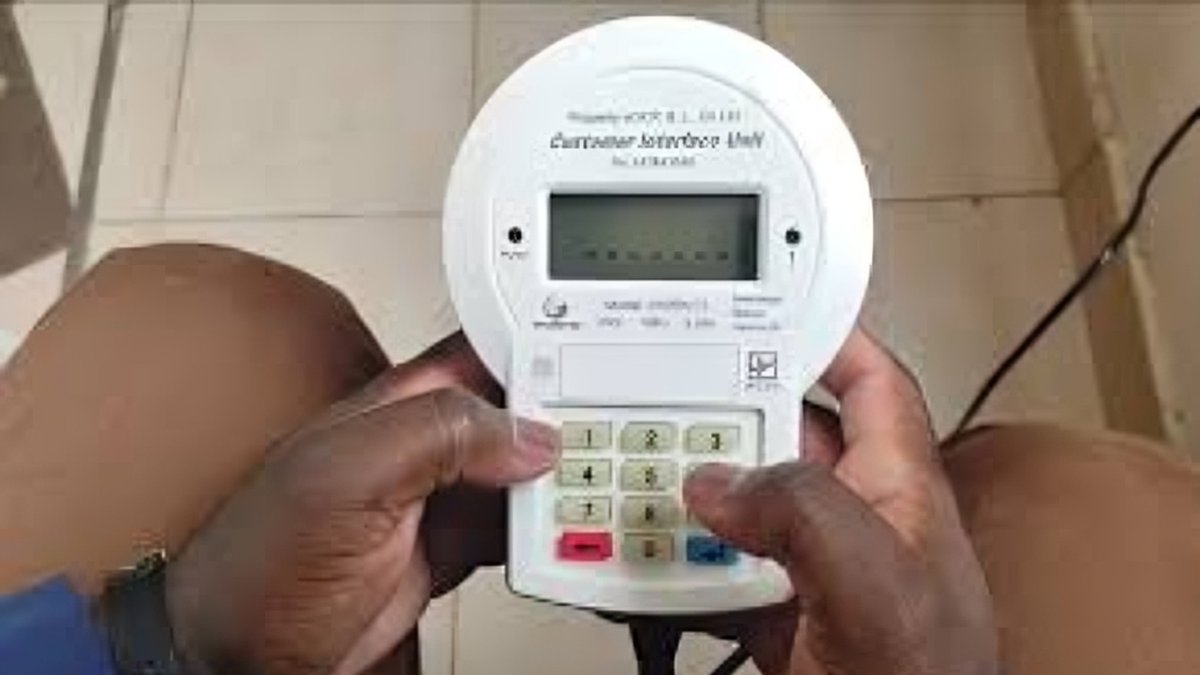
The aggressive recovery strategy came to light after customers noticed a sharp drop in the number of units received compared to previous purchases. In one reported instance, a consumer who bought tokens worth Sh500 received only 9.7 units on a meter with debt, while a standard meter yielded 19.4 units for the same amount.
According to internal clarifications from the utility, the deduction applies specifically to those who benefited from the subsidized connection program but have yet to clear their initial installation costs. The move aims to settle a debt that has ballooned following years of rapid rural electrification.
A report from the Auditor General in 2023 highlighted that the project was funded through a Sh47 billion loan from the World Bank and the African Development Bank. The program was designed to maximize the use of existing distribution transformers by extending low-voltage lines to households within a 600-meter radius.
While the project successfully connected millions of Kenyans to the national grid, the recovery of connection fees has remained a hurdle for the state-controlled distributor. President Ruto recently noted that over 1.2 million customers have been connected through the scheme, with plans to add another 460,000 by the end of 2026.
The 50 per cent deduction rate means that a household spending Sh1,000 on power will only see Sh500 worth of electricity units credited to their meter. The remaining half is diverted automatically to service the connection debt until the balance is fully settled.
For many low-income households in rural areas, this sudden shift in billing has caused immediate friction. The Last Mile program was originally marketed as a way to provide affordable energy access, but the reality of the repayment phase is now impacting daily consumption patterns.
Kenya Power is currently navigating significant financial pressure, including a Sh16.6 billion debt owed to the Kenya Electricity Generating Company (KenGen). Improving revenue collection from the prepaid segment is seen as a vital step in stabilizing the utility’s balance sheet.
Infrastructure experts suggest that while the debt recovery is necessary for the sustainability of the grid, the high deduction rate may force some users to seek alternative energy sources. The utility has not specified how long the 50 per cent recovery rate will remain in place for affected accounts.
Comments (0)
Leave a Comment
No comments yet. Be the first to share your thoughts!