

The national government has finalized the technical plans and secured the necessary capital to begin the reconstruction of the Nithi Bridge, a notorious black spot on the highway linking Tharaka Nithi and Meru counties.
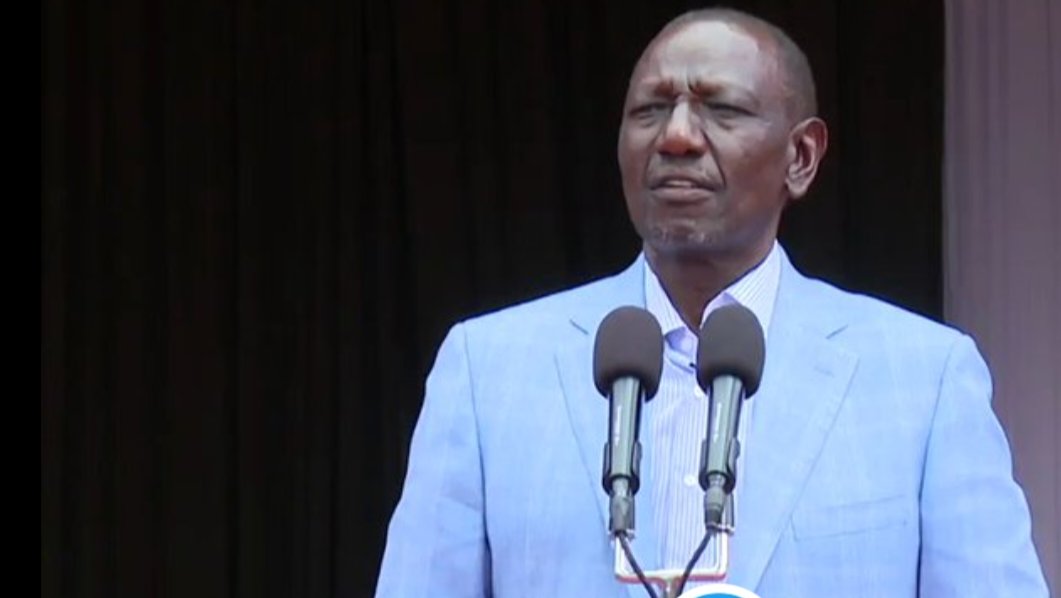
Speaking during a recent engagement, President Ruto confirmed that the administration has settled on a specific engineering solution intended to eliminate the sharp descents and dangerous curves that have characterized the current crossing for decades.
The President emphasized that the financial resources required for the civil works are now available, shifting the immediate focus toward the administrative hurdles that have previously delayed the project.
A central part of this transition involves the acquisition of land. President Ruto issued a direct order to officials and agencies involved in the project to ensure that all persons whose land will be utilized for the new bridge and its approach roads are compensated promptly.
The Kenya National Highways Authority has previously indicated that the project will involve a significant realignment of the existing road corridor. This redesign aims to create a straighter, safer passage, requiring the acquisition of private parcels of land adjacent to the current bridge site.
Deputy President Kithure Kindiki has recently reinforced this timeline, noting that the appointment of the National Land Commission members has cleared the way for the legal processing of these payouts. The government expects that once the land is secured, the contractor will move to the site without further encumbrances.
Current estimates for the realignment and reconstruction hover around 7 billion shillings. The technical scope includes an elevated bridge structure and a redesign of the road approaches stretching approximately three kilometers to improve visibility and gradient control.
The area residents and transport stakeholders have long called for a permanent fix to the River Nithi crossing. Since its commissioning in 1983, the bridge has seen numerous fatal accidents attributed to its steep geometry and challenging terrain.
President Ruto noted that the chosen design is a result of extensive geotechnical surveys and soil sampling conducted by engineering experts to ensure the durability of the new structure. This technical groundwork was necessary to determine the most stable location for the bridge's foundation.
With the procurement processes largely concluded and the funding confirmed, the speed of the project now rests on the efficiency of the National Land Commission in managing the compensation of the affected families.
The administration remains committed to delivering the project as a priority infrastructure goal, aiming to finalize the works before the next general election cycle.
Comments (0)
Leave a Comment
No comments yet. Be the first to share your thoughts!