
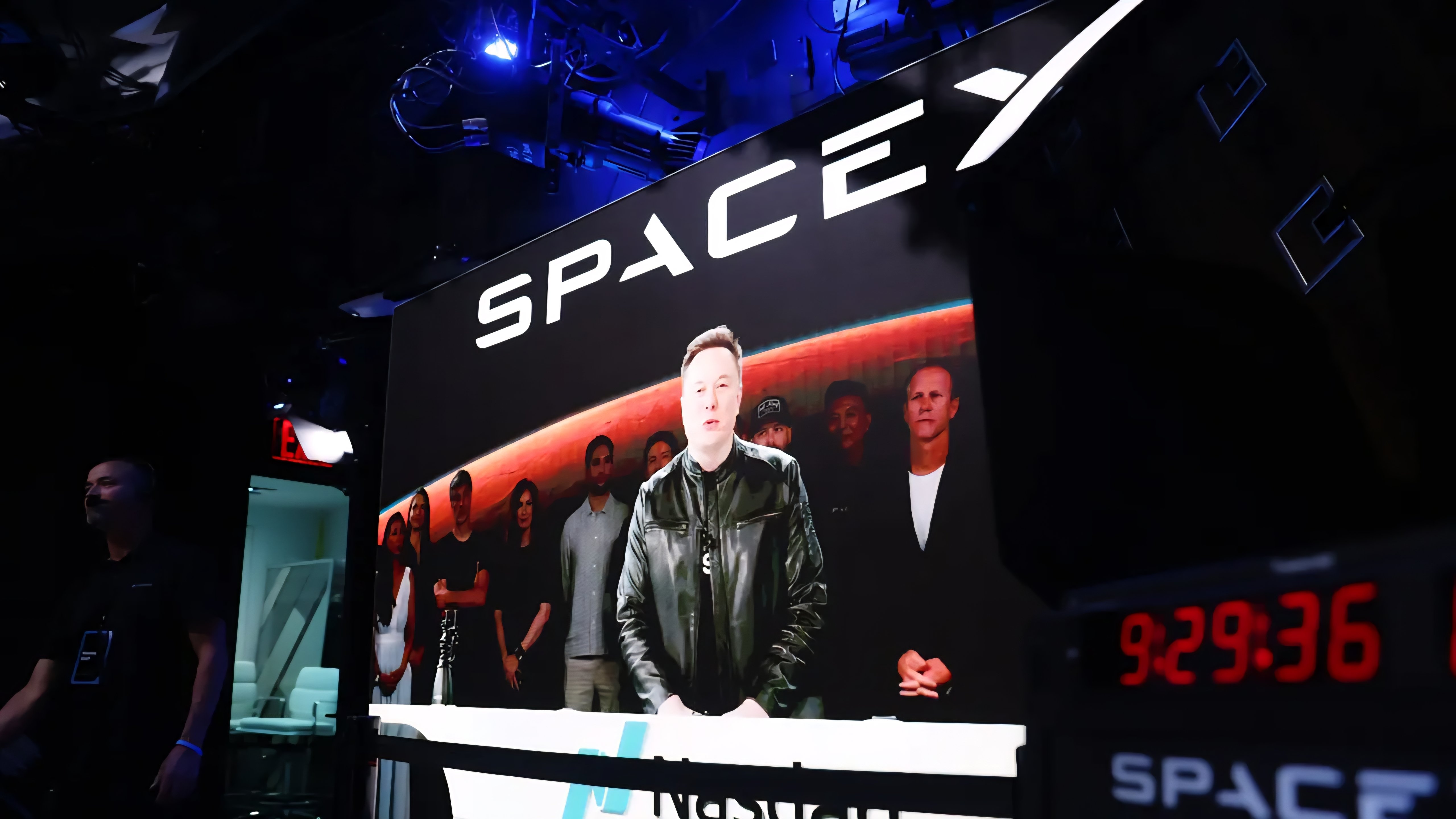

A version of this article appeared on Bloomberg News.
Space Exploration Technologies Corp (SpaceX) underwent one of the most intense periods of structural transition in its corporate history, moving from early pitch meetings where major investment banks jostled for a role to an official regulatory filing in May.
The rapid progression culminated in a historic seventy-five billion dollar Initial Public Offering (IPO) that fundamentally altered the financial trajectory of the aerospace and satellite firm.
The strategy was originally intended to occur much later, specifically when humans were regularly flying to Mars.
The timeline shifted drastically when the artificial intelligence sector experienced a massive surge in commercial interest and valuation, prompting chief executive Elon Musk to accelerate the public listing.
Wall Street institutions aggressively competed to secure advisory roles on the massive transaction, recognizing the scale of the listing.
Senior executives from firms including Goldman Sachs Group Inc and Morgan Stanley negotiated directly with corporate leadership during the high-stakes preparation phase.
The transition required intense coordination across financial departments, as advisors restructured the capital framework of the closely held private entity to meet public market regulations.
The finalized listing structure positioned the corporation among the highest-valued public entities globally.
Comments (0)
Leave a Comment
No comments yet. Be the first to share your thoughts!