
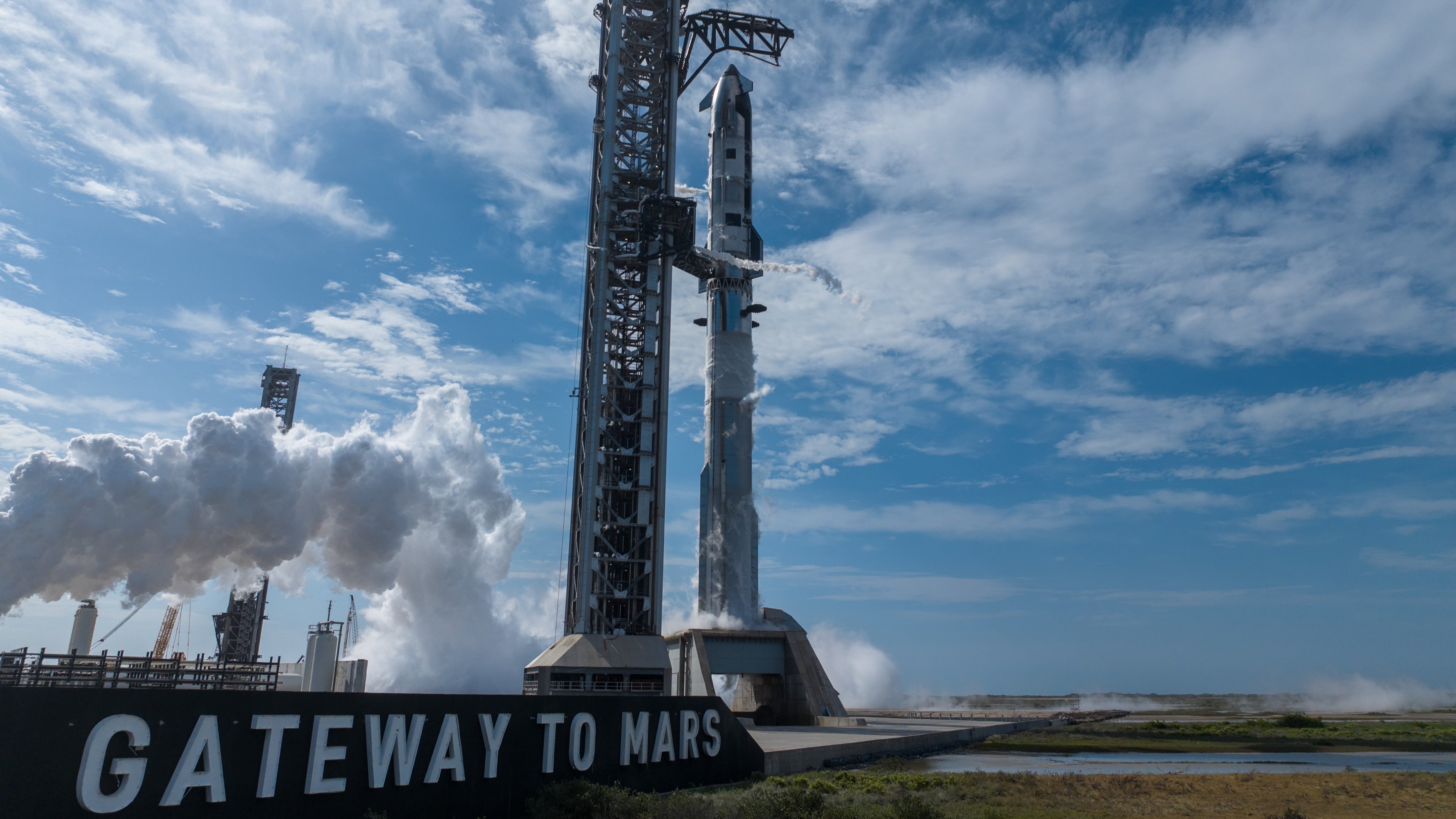

SpaceX has completed the biggest initial public offering in history. The rocket and satellite company raised $75 billion by pricing 555.6 million shares at $135 each. This debut easily surpasses previous records and sends the firm straight into the upper tier of global public companies.
The offering values SpaceX at roughly $1.8 trillion. That figure reflects massive investor appetite for its reusable rockets, Starlink satellite network and ambitions in space infrastructure. Shares began trading under the ticker SPCX following the pricing announcement on Thursday.
Elon Musk, who founded the company in 2002, now stands on the edge of becoming the world's first trillionaire. His stake in SpaceX combined with holdings in other ventures pushes his net worth past the landmark threshold on paper.
This IPO dwarfs the previous record holder. Saudi Aramco raised $29.4 billion in 2019. SpaceX more than doubled that amount in a single go, underscoring the extraordinary demand for companies tied to future technologies like commercial spaceflight and global connectivity.
For professionals in construction and heavy engineering, the listing carries direct relevance. SpaceX has pioneered new approaches to launch infrastructure, including rapid reusability of rockets that cut costs dramatically. Its Starlink constellation already delivers internet to remote and underserved areas, functioning as critical digital infrastructure worldwide.
The company has transformed how large-scale projects in orbit are approached. From building out massive satellite networks to supporting potential lunar and Martian missions, SpaceX continues to push boundaries in what was once purely government domain.
Pricing came after the offering proved more than four times oversubscribed. That strong interest highlights confidence in SpaceX's growth trajectory even amid high valuations. The firm has grown into a central player in both national security launches and commercial satellite services.
Musk's intertwined business empire draws fresh scrutiny with this debut. Ties between SpaceX, Tesla and other ventures mean movements in one can ripple across others. Yet the immediate market reaction confirms broad excitement around its core capabilities.
The successful listing arrives at a time when space infrastructure gains strategic importance. Governments and private players alike invest heavily in orbital assets, data centers in space concepts and resilient communication networks. SpaceX sits at the heart of these developments.
Analysts note the valuation rests on proven execution in rocket recovery and deployment scale. Starlink in particular has moved toward profitability and now serves as a major revenue driver. These operational milestones helped underpin the ambitious public market entry.
Challenges remain in the sector. Technical risks, regulatory hurdles and competition from other players persist. Still, the record IPO demonstrates investor willingness to back long-term bets on transforming how humanity interacts with space.
As trading begins, attention turns to how SpaceX navigates life as a public company. Quarterly reporting, shareholder expectations and sustained innovation will test its ability to deliver on the hype. For now, the debut stands as a clear milestone.
This event marks another chapter in the rapid evolution of aerospace infrastructure. What began as a bold venture to reduce launch costs has scaled into one of the most valuable companies on the planet. The road ahead will show whether SpaceX can maintain that momentum.
Comments (0)
Leave a Comment
No comments yet. Be the first to share your thoughts!