
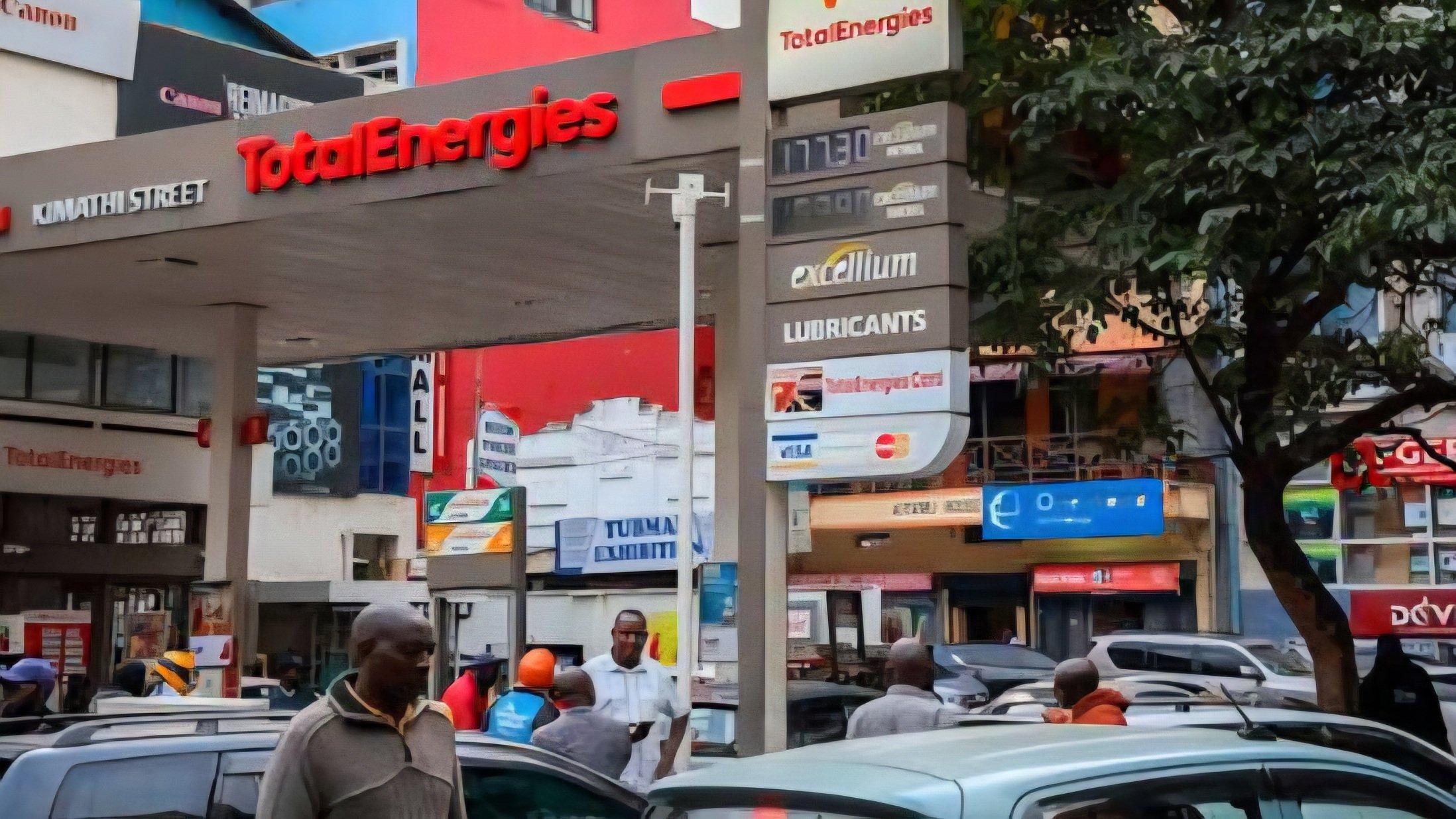

TotalEnergies Marketing Kenya has installed 30 charging stations for Electric Vehicles (EVs) and motorbikes, as the oil marketer moves to diversify its service portfolio.
The initiative comes at a time when the transport sector is witnessing a steady shift toward green energy. By expanding beyond traditional petroleum products, the firm is positioning itself to capture the growing demand for electric mobility within the country.
The installation of these units is part of a broader strategy to adapt to a changing automotive landscape. Motorists in Nairobi and other major towns are increasingly considering battery-powered alternatives, but the lack of a reliable charging network remains a concern for many potential buyers.
TotalEnergies is utilizing its existing network of service stations to host these charging points. This approach leverages established real estate on high-traffic routes, which makes the transition more accessible for early adopters of electric cars and motorcycles.
The move mirrors a global trend where traditional energy companies are reinventing their business models. As governments and environmental groups push for lower carbon emissions, firms like TotalEnergies are investing in infrastructure that supports cleaner transport technologies.
In Kenya, the e-mobility space has seen significant activity from start-ups focusing on electric motorcycles and buses. However, the entry of a major oil marketer provides a different level of scale to the available infrastructure.
These 30 stations represent an initial phase of rollout. The company has indicated that the stations will serve both four-wheeled vehicles and the rapidly expanding fleet of electric motorbikes, which are becoming popular in the delivery and public transport sectors.
The development follows recent efforts by the Kenyan government to encourage the adoption of EVs through tax incentives and the development of a national e-mobility policy. These policies aim to reduce the country’s reliance on imported fuel and lower the national carbon footprint.
Infrastructure development in the construction and energy sectors is increasingly leaning toward sustainability. The integration of charging units into existing gas stations involves specialized electrical upgrades and the installation of high-capacity power management systems.
TotalEnergies Marketing Kenya is also exploring ways to integrate renewable energy sources, such as solar power, to feed these charging stations. This would further reduce the environmental impact of the electricity used to power the vehicles.
The project highlights the intersection of the energy and construction industries. Installing EV chargers requires specific technical expertise in power distribution and civil works to ensure the safety and reliability of the units in a retail environment.
While the current number of electric vehicles on Kenyan roads is relatively small compared to internal combustion engines, the growth rate is accelerating. Industry analysts suggest that visible charging infrastructure is a primary driver for consumer confidence.
By establishing a presence in the charging market now, the firm secures a first-mover advantage among traditional fuel retailers. This pivot is essential for long-term viability in a market that is slowly moving away from total dependence on fossil fuels.
The rollout is expected to continue as the company monitors usage patterns and the density of EV ownership in different regions. For now, the focus remains on urban centers where the uptake of electric technology is highest.
Comments (0)
Leave a Comment
No comments yet. Be the first to share your thoughts!