
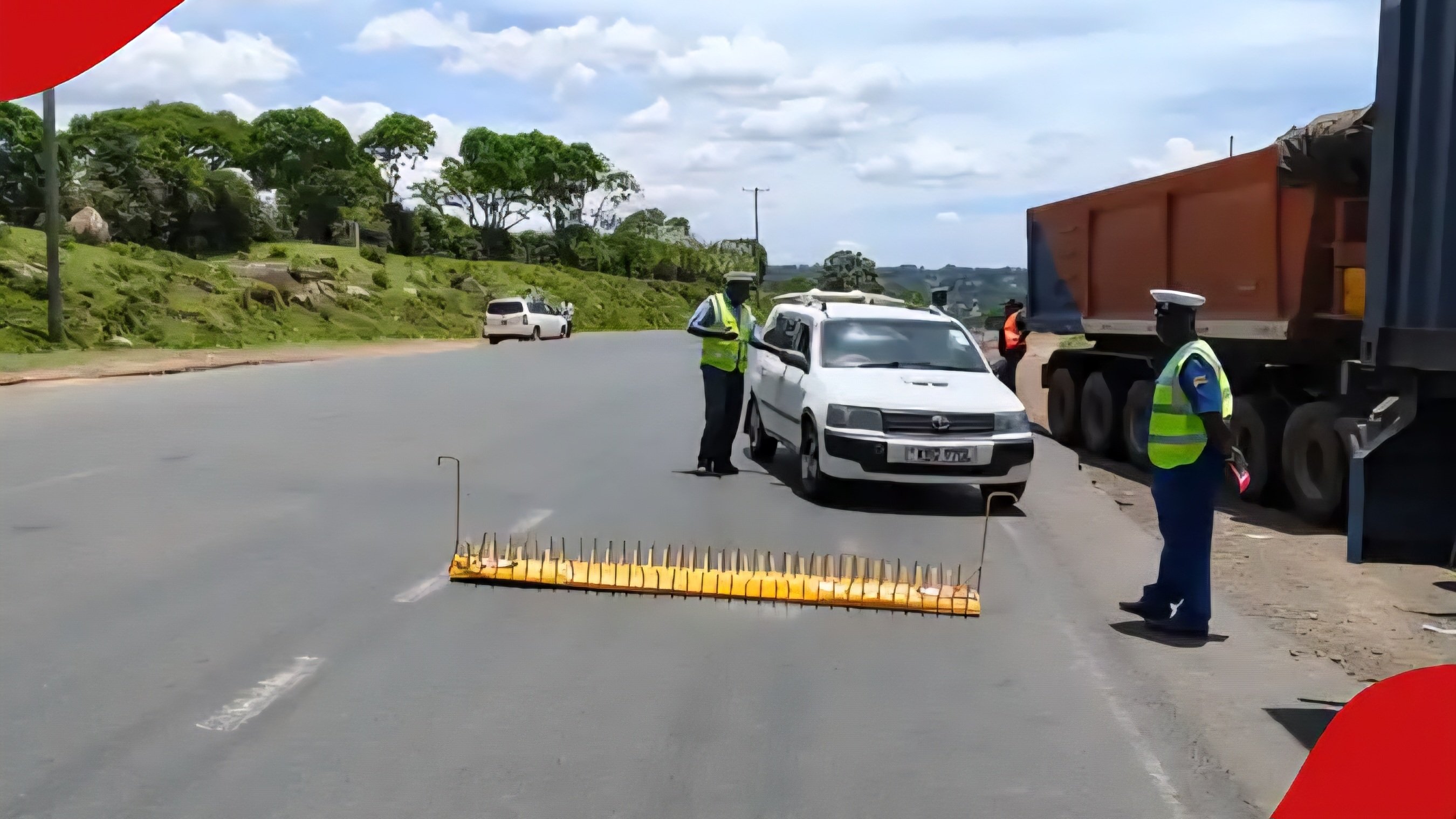

The Ministry of Roads and Transport has confirmed that a nationwide mandatory vehicle inspection programme will begin on July 1, 2026. This initiative requires every motor vehicle in the country to undergo regular safety checks to ensure roadworthiness and compliance with environmental standards.
Cabinet Secretary (CS) for Roads and Transport, Davis Chirchir, indicated that the government has already gazetted the necessary regulations. The National Transport and Safety Authority (NTSA) will oversee the rollout, which expands the scope of inspections beyond the traditional focus on commercial and public transport.
Under the new rules, private vehicles older than four years from their date of manufacture must undergo annual inspections. Public Service Vehicles (PSVs), school buses, and commercial trucks will continue to face mandatory yearly tests to maintain their operating licenses.
President Ruto has directed that the programme be implemented through a Public-Private Partnership (PPP) model. This strategy allows private investors to establish and manage inspection centres across all counties, reducing the distance motorists travel to access these services.
The government estimates that setting up a fully state-run network would cost approximately 12 billion Kenyan Shillings. By licensing private operators, the state aims to modernise the system without immediate taxpayer expenditure while creating a new revenue stream through oversight and licensing fees.
Inspection fees are scaled based on vehicle type and engine size. Motorists with cars under 3,000cc are expected to pay 1,500 Kenyan Shillings, while those with larger engines will pay 2,000 Kenyan Shillings. Heavy commercial vehicles and trailers will attract higher fees ranging between 2,500 and 3,500 Kenyan Shillings.
NTSA will also require inspections for vehicles involved in major accidents before they return to the road. This ensures that structural repairs meet safety benchmarks. Additional triggers for mandatory checks include changes in vehicle ownership and re-registration processes.
The move comes as Kenya struggles with high road fatality rates. President Ruto stated that proper vehicle inspections, alongside digital enforcement, could potentially reduce road carnage by 70 per cent. The system will integrate with the upcoming digital vehicle registry.
On June 10, 2026, NTSA plans to launch the electronic logbook (e-Logbook) system. This digital repository will track a vehicle’s entire lifecycle, including its inspection history. Traffic police will use QR code verification to instantly check if a vehicle has complied with the July 1 mandate.
Investors interested in setting up these centres have been given a three-month window to establish facilities. These private sites must adhere to uniform safety and emissions standards set by the Ministry to ensure consistency across the country.
Non-compliant motorists will face stiff penalties, including vehicle impoundment and possible license suspension. The government maintains that these measures are essential for transforming the transport sector into a safer, more orderly system that supports national productivity.
Comments (0)
Leave a Comment
No comments yet. Be the first to share your thoughts!