
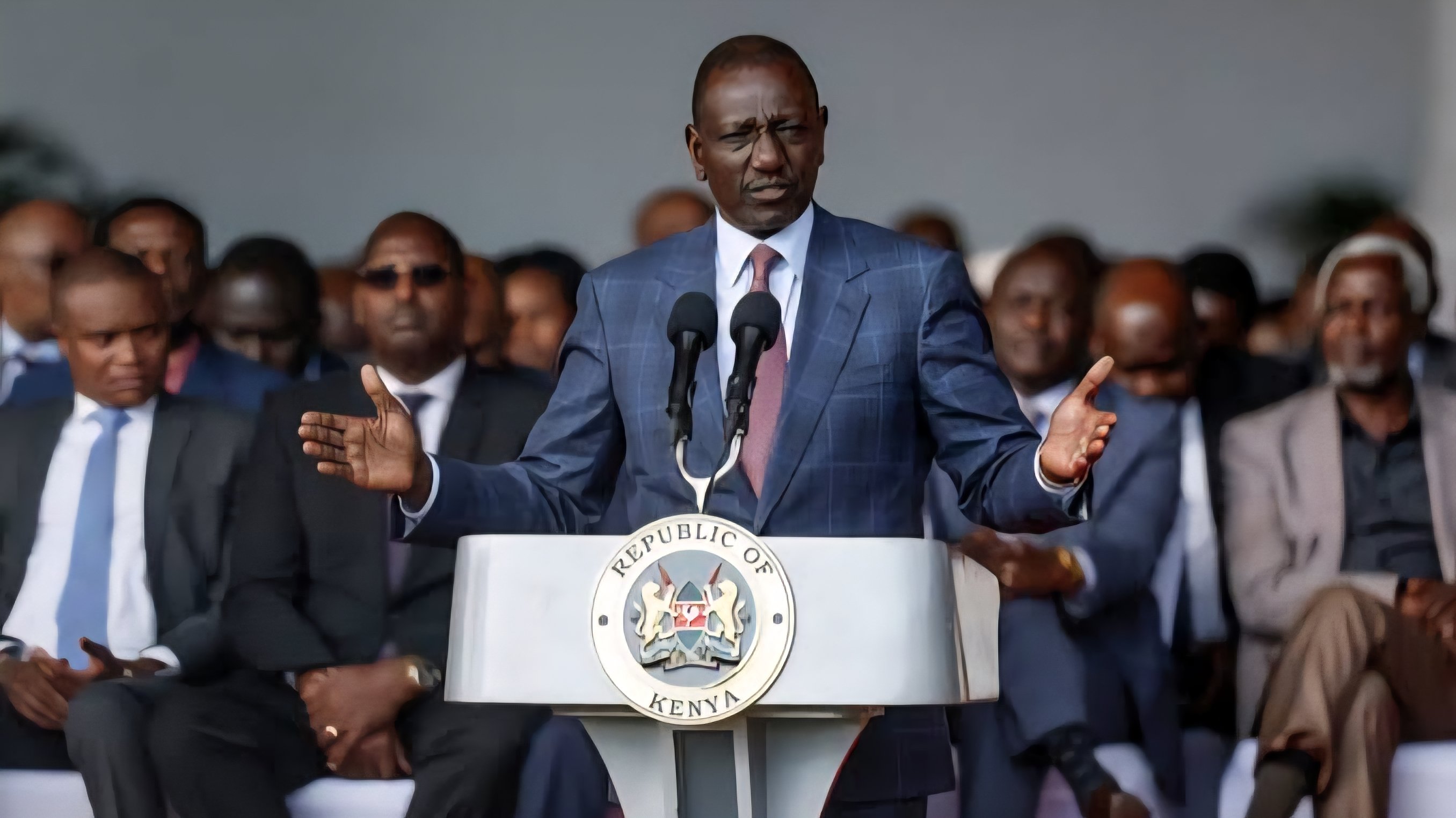

President William Ruto has confirmed that County Assemblies across the country will transition to independent budgets starting this July. The move, intended to decouple the legislative arm of devolved units from the executive, seeks to end the long-standing financial reliance of Ward Representatives on County Governors.
Speaking on Tuesday, March 10, 2026, the President noted that the new arrangement will take effect in the upcoming financial year. He emphasized that the shift is a critical component in strengthening the oversight role of the assemblies, allowing them to scrutinize county expenditures and infrastructure projects without the threat of budget suppression by the executive.
The independence of these budgets means that County Assemblies will now manage their own allocations for administrative costs, staff salaries, and the maintenance of assembly infrastructure. Historically, many assemblies have faced challenges in holding Governors accountable, as their operational funding was often processed through the county treasuries controlled by the same offices they were meant to oversee.
President Ruto stated that with the removal of these financial bottlenecks, the assemblies will be expected to conduct their oversight mandate without fear. This development follows the enactment of the County Public Finance Laws (Amendment) Act, which provides the legal framework for the establishment of a County Assembly Service Fund in each of the 47 counties.
Beyond the administrative shifts, the move is expected to impact how local infrastructure and development projects are monitored at the ward level. With financial autonomy, the assemblies can more effectively fund committee site visits and technical audits of ongoing construction works, which are often the focus of public investment at the county level.
The President also took the opportunity to urge lawmakers to finalize legislation concerning the Ward Development Fund. This would further clarify the role of the assemblies in identifying and managing localized projects, ensuring that development is felt at the grassroots while adhering to the constitutional separation of powers.
The transition to independent budgeting aligns with broader reforms aimed at institutionalizing accountability. The President noted that the government has already implemented digitization of over 23,000 services and moved toward an electronic government procurement system to curb waste and improve transparency in public tenders.
As the July deadline approaches, the National Treasury and the Council of Governors are expected to coordinate on the final modalities of the fund transfers. While some leaders have expressed concern over the administrative capacity of the assemblies to manage these funds, the President maintained that autonomy is the only way to ensure the devolution of power remains effective and transparent.
Comments (0)
Leave a Comment
No comments yet. Be the first to share your thoughts!