
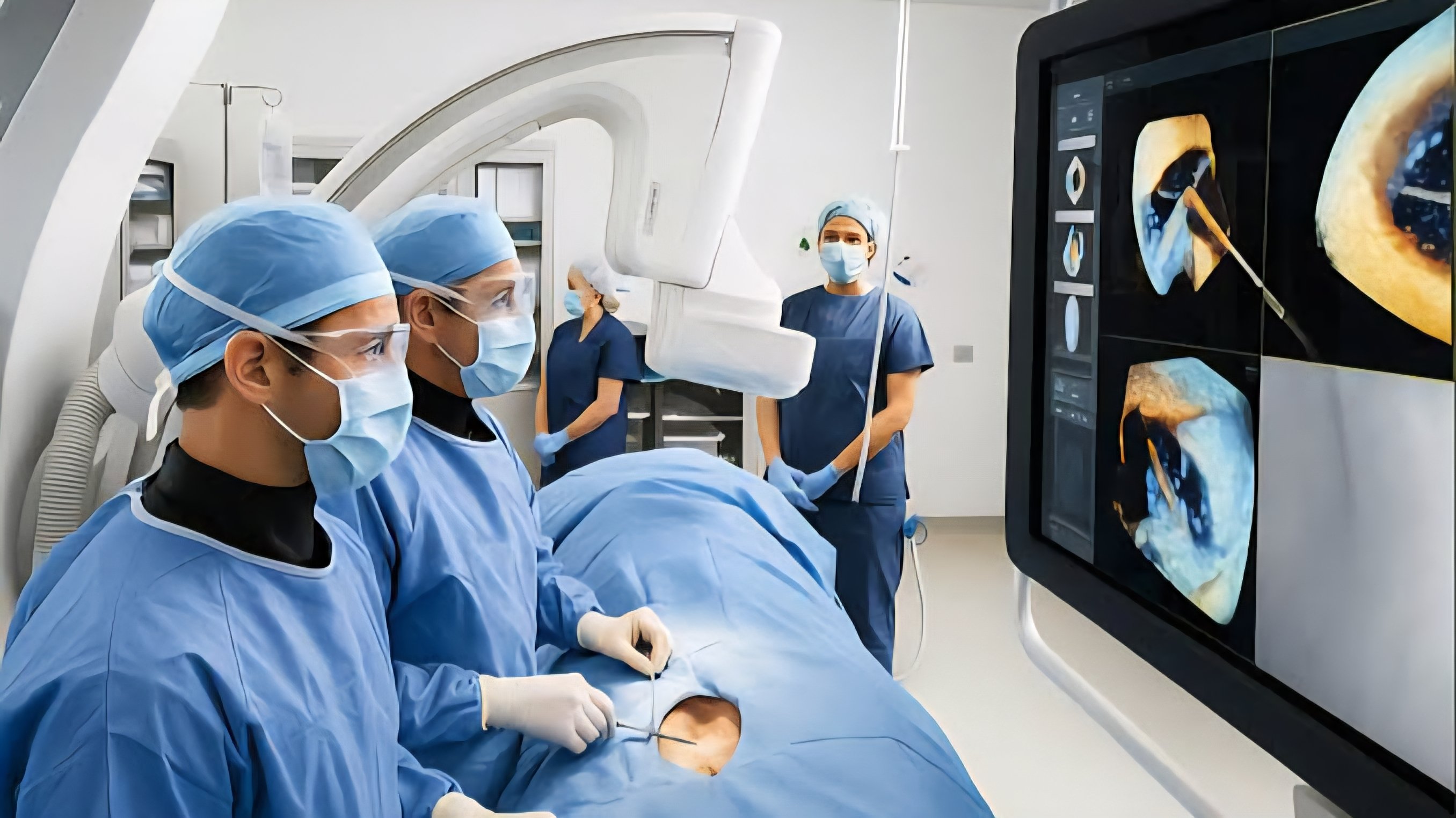

Kenya is expanding a network of digital surgery hubs to address a critical shortage of specialist care, connecting a small pool of surgeons to a population of 55 million. The initiative uses a digital platform to transform standard operating rooms into virtual tables where senior consultants can supervise procedures from any location.
The technology is currently active in 15 counties, providing a bridge for a healthcare system that operates with approximately 300 specialized surgeons. By using high-definition cameras and real-time communication, the platform allows experts in urban centers to guide colleagues in remote facilities through complex operations.
Dr. Michael Mwachiro, President of the Surgical Society of Kenya, noted that the innovation supports both clinical practice and the training of residents. The platform enables live streaming of surgeries and secure recording, which serves as a resource for medical education and research.
The Surgical Society of Kenya has set a target to expand the system to 20 counties within the next year. Current installations include hubs at Jaramogi Oginga Odinga Teaching and Referral Hospital in Kisumu, as well as facilities in Makueni, Mombasa, Nakuru, and Homa Bay.
Before the adoption of these digital tools, many complex procedures required patients or local staff to travel to Nairobi to work with a senior surgeon. Remote guidance now allows these operations to happen locally, which often reduces operating times and hospital stays.
The University of Nairobi Faculty of Health Sciences has also integrated the telepresence technology into its curriculum. This allows lecturers to mentor students during live operations without requiring everyone to be physically present in the theatre.
Technical support for the rollout involves partnerships with the Kenya Education Network and global technology providers. These collaborations ensure the stable internet connectivity required for lag-free video transmission during active surgical cases.
Privacy measures are integrated into the system to protect patient data. The software automatically de-identifies sensitive information, such as names on diagnostic scans or specific body markings, before the footage is shared or stored for educational use.
As the government continues its transition to the Social Health Insurance Fund, the integration of digital infrastructure is viewed as a method to improve efficiency. Current data shows a significant disparity in doctor-to-patient ratios, which these hubs aim to mitigate through better resource distribution.
The shift toward smart theatres is expected to lower morbidity rates by ensuring that specialized expertise is available regardless of a patient's geographic location. Facilities equipped with the platform can now offer a higher tier of surgical intervention than previously possible at the county level.
Comments (0)
Leave a Comment
No comments yet. Be the first to share your thoughts!