
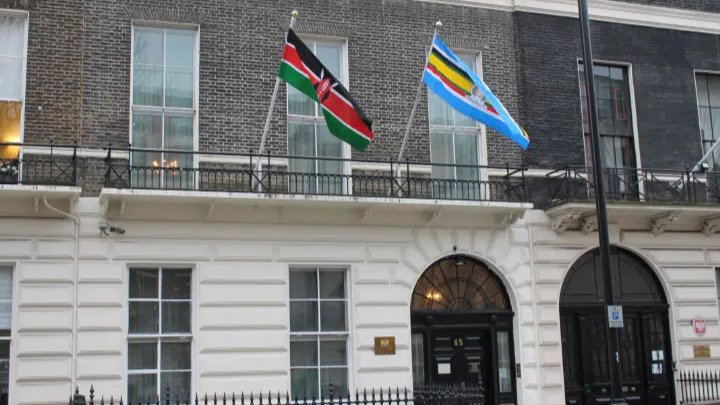

The government has reported a significant reduction in the cost of maintaining Kenya's diplomatic presence abroad, citing savings of KSh 3 billion annually. Government Spokesperson Isaac Mwaura attributed the decrease to aggressive fiscal reforms within the Ministry of Foreign and Diaspora Affairs aimed at curbing wastage in embassy rentals.
The reduction in expenditure is part of a broader strategy to enhance accountability and streamline spending across Kenya's international missions. According to Mwaura, the ministry has focused on efficiency measures that target the high costs associated with leasing office and residential spaces for diplomats in various global capitals.
For years, the financial burden of Kenya's diplomatic footprint has been a point of concern for treasury officials. Recent reports suggest that rental costs alone previously hovered around the Ksh 3 billion mark, making the current savings a substantial shift in the ministry's financial management.
This fiscal tightening comes as the State Department for Foreign Affairs, under Principal Secretary Korir Sing’oei, moves to standardise operations. The reform agenda includes a review of mission expenditure and the standardisation of insurance policies across different regions to leverage scale and eliminate duplication.
Beyond property rentals, the government is also linking these internal reforms to a wider global labour market strategy. Mwaura noted that over 580,000 Kenyans have now secured employment abroad through structured pathways, supported by bilateral agreements and coordinated leadership.
The spokesperson further highlighted that the savings from these administrative reforms are intended to support inclusive development in other sectors. These include education, health, and housing, where the government is attempting to improve access and quality for vulnerable groups.
Despite the reported savings, the ministry has faced scrutiny regarding the pace of infrastructure maintenance at its owned properties. Earlier this year, the State Department dismissed concerns raised by the Controller of Budget regarding zero expenditure on several renovation projects in missions such as Kinshasa, Addis Ababa, and Beijing.
PS Sing’oei explained that renovation works in foreign jurisdictions often require extensive preparatory activities that do not immediately reflect in financial absorption. The government maintains that its long-term goal remains a more cost-effective and competitive diplomatic presence.
The ongoing restructuring is expected to continue as the administration aligns its foreign missions with national economic priorities. By reducing the reliance on expensive rental agreements, the state aims to ensure that resources are allocated based on strategic impact rather than historical convenience.
Comments (0)
Leave a Comment
No comments yet. Be the first to share your thoughts!