
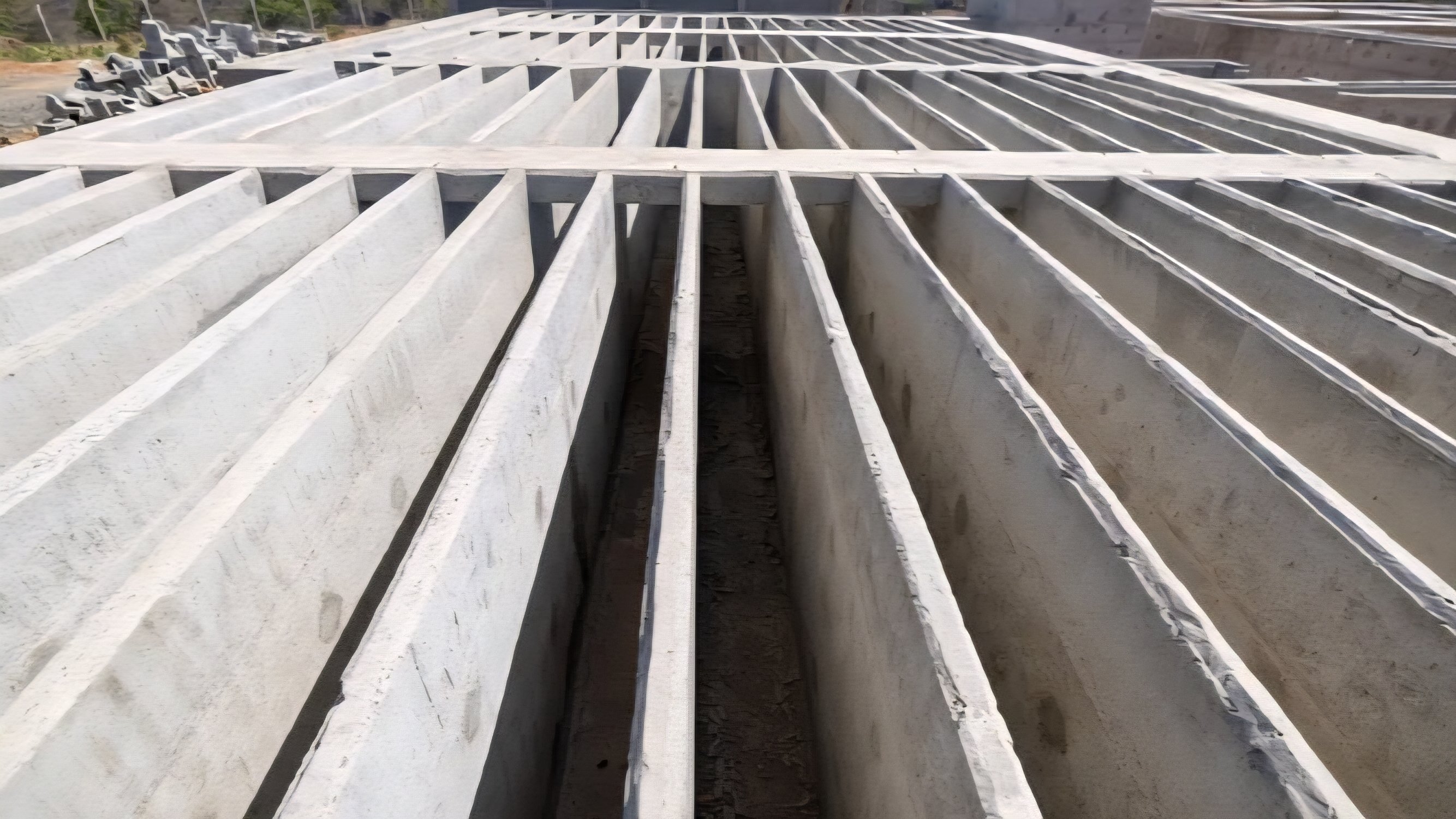

The long-standing water challenges in Mbeere South are nearing a resolution as construction of the Kamburu Water Supply Project accelerates toward its targeted August 2026 completion date. This Sh800 million initiative, funded by the government through the Tana Water Works Development Agency, is designed to extract 10,000 cubic metres of water daily from the Kamburu Dam reservoir.
For decades, residents in this semi-arid region of Embu County have lived within sight of major hydroelectric dams while struggling with persistent drought and limited access to clean water. The current infrastructure development represents a shift from historical neglect to active utility, with the project now moving from conceptual planning to visible pipes in the ground.
Engineering works at the site include the installation of a floating intake system on Kamburu Dam, which will feed raw water into a modern, conventional treatment plant. According to recent site progress reports, contractors have already laid approximately 17 kilometres of distribution pipelines. Furthermore, 12 kilometres of the treated water rising-main, which connects the treatment facility to a strategic storage tank on a nearby hilltop, are now complete.
President Ruto, who launched the project in April 2024, has framed the development as a core component of the national drought mitigation strategy. By providing a consistent bulk water supply, the government intends to transition the local economy from rain-fed subsistence to stable, low-cost irrigation. This is expected to protect high-value horticultural crops and miraa from the frequent drought cycles that have previously devastated harvests.
Local community leaders note that the project has already begun to impact the local economy through job creation. Skilled and unskilled workers, including masons, steel fixers, and carpenters from the surrounding wards of Mbeti South and Mavuria, have been engaged in the civil works.
Beyond agriculture, the project will serve learning institutions that currently rely on expensive water bowsers. In domestic settings, the availability of piped water is expected to improve public health by reducing the prevalence of water-borne diseases and the physical burden of hauling water over long distances.
As the project nears the final phases of construction, the focus remains on completing the remaining distribution network to reach a projected 100,000 beneficiaries at full capacity. This development is expected to reduce the region's reliance on the Embu Water and Sanitation Company, which has previously struggled with rationing during dry seasons.
Comments (0)
Leave a Comment
No comments yet. Be the first to share your thoughts!