
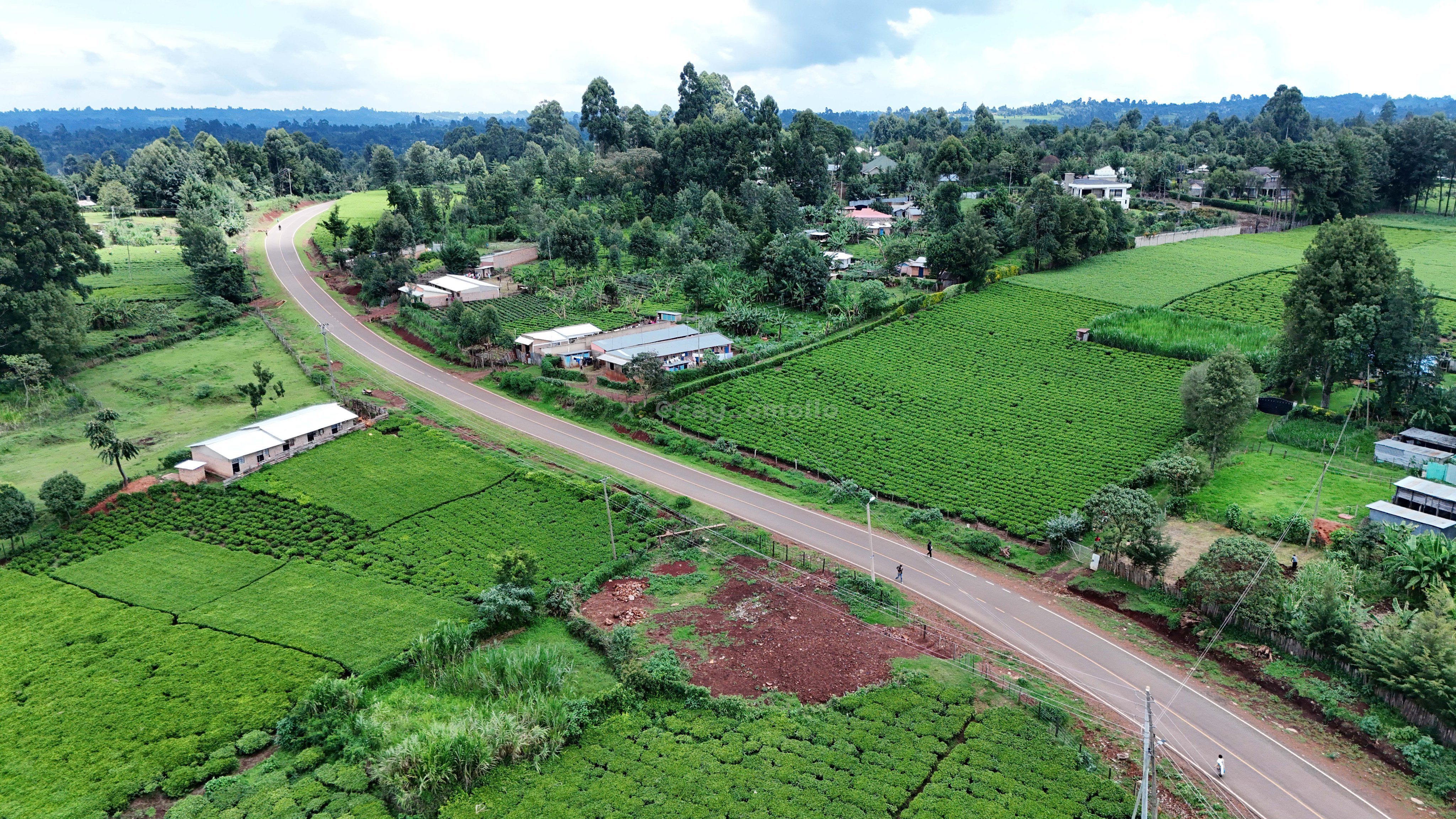

The landscape of Kericho County is undergoing a structural shift as the government nears the completion of two primary road projects designed to link high-potential agricultural zones. Construction crews have finalized the works on the Kapsuser-Sosiot stretch, while active machinery remains on-site for the Kapsurer-Kipsolu section.
These projects form part of a 13-kilometer twin-road initiative within the Belgut Constituency. By upgrading these routes to bitumen standards, the Ministry seeks to replace aging earth roads that frequently become impassable during the heavy rains common in the Rift Valley.
Local tea farmers stand as the primary beneficiaries of this infrastructure. For years, the region has struggled with high transport costs, particularly during the peak harvest seasons. The new surfaces allow for faster movement of green leaf to factories, significantly cutting down the window for post-harvest spoilage.
According to data from the State Department for Internal Security and National Administration, the road network is a core pillar of the Bottom-Up Economic Transformation Agenda. The focus is specifically on rural communities that have historically lacked direct access to reliable market circuits.
Economic activity in Kericho is heavily reliant on the efficiency of its transport corridors. By smoothing the transit between farms and processing plants, the government expects a rise in local trade volumes. This connectivity also provides a more reliable route for emergency services and public transport vehicles.
Beyond the physical laying of asphalt, the State Department for Internal Security is taking a direct role in the management of these new assets. This involves coordination between local administration and security agencies to monitor the use of the network and ensure the safety of both pedestrians and motorists.
Security agencies are tasked with maintaining order along these corridors, which often become busy hubs for trade as soon as the paving is completed. This administrative oversight is intended to prevent the encroachment of illegal structures and ensure that the movement of goods remains fluid.
The project is viewed as a prerequisite for further industrial growth in the Rift Valley. With the Kapsurer-Kipsolu road nearing its final stages, the focus shifts to how these 13 kilometers of bitumen will integrate into the wider provincial transport grid.
Officials note that reliable roads are the only way to ensure that rural populations can access essential services without the delays caused by poor terrain. The government remains committed to using these networks as a foundation for broader economic stability in agricultural counties.
As construction wraps up, the emphasis will turn toward maintenance and the long-term durability of the bitumen surfaces. Local leadership in Belgut has expressed that the finished roads will serve as a lifeline for traders who previously faced significant logistical hurdles when trying to reach regional markets.
Comments (0)
Leave a Comment
No comments yet. Be the first to share your thoughts!