
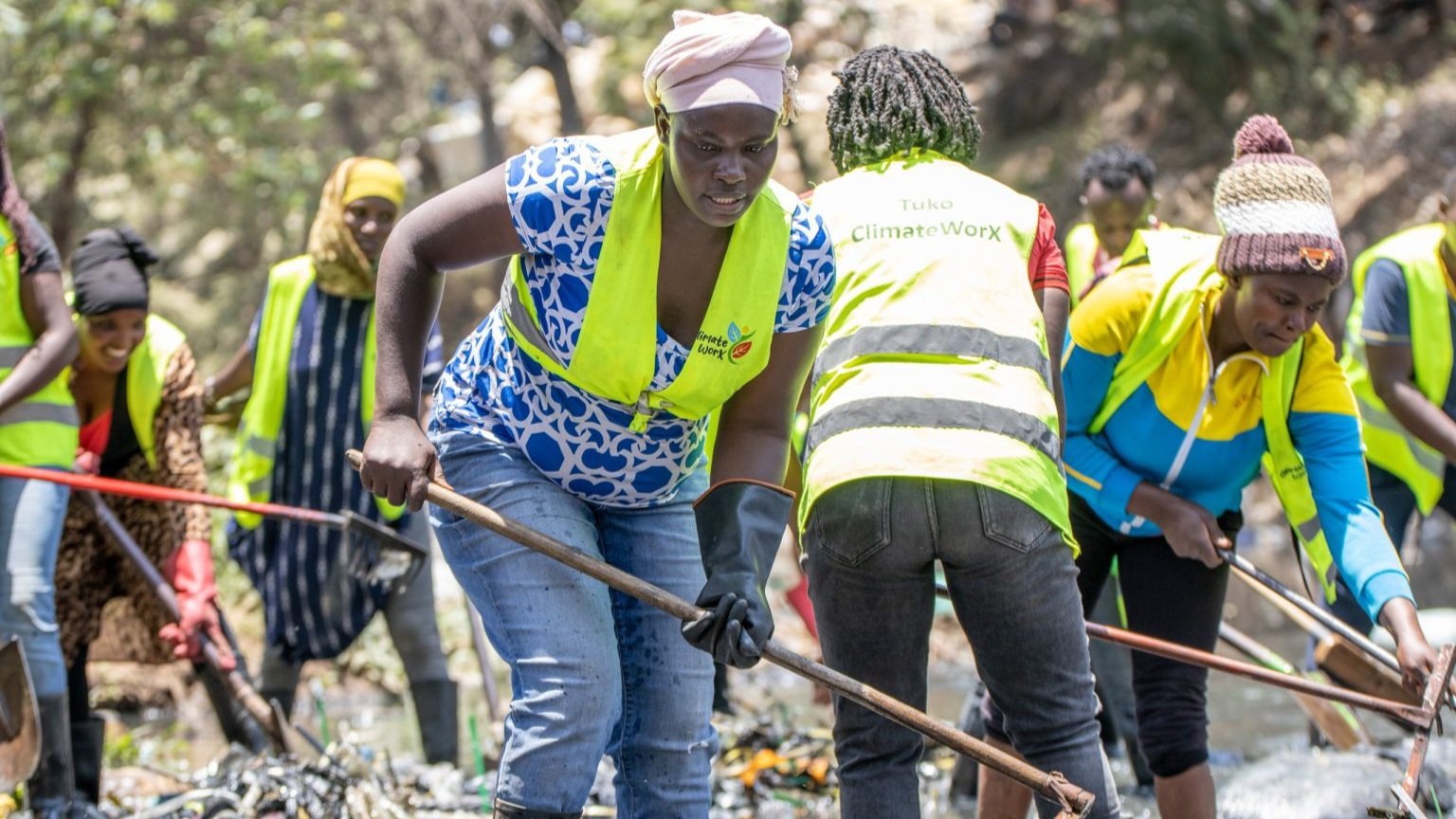

Nairobi is set to overhaul its urban clean-up operations following a decision to integrate the Climate Worx programme into the county’s routine sanitation system. This strategic shift aims to streamline waste management and strengthen environmental enforcement across the capital.
The agreement was reached during a high-level planning meeting chaired by the Green Nairobi County Executive Committee Member, Maureen Njeri. The session brought together various national and county agencies involved in environmental management to unify citywide sanitation efforts.
Under the new arrangement, Climate Worx teams will be absorbed into the Nairobi City County's existing sanitation framework. Their specific duties will be folded into daily operations, including street sweeping, drainage clearing, vegetation control, litter collection, and general waste handling.
Officials indicate that the transition is intended to eliminate the duplication of roles. By moving away from periodic campaigns, the county seeks to ensure that clean-up work is carried out consistently within a structured, citywide system that establishes clearer lines of responsibility.
The restructuring also introduces tighter supervision at the sub-county level. To improve the speed of waste collection, the county is working with the Nairobi Rivers Commission and the National Youth Service to deploy additional trucks to enhance garbage transport and reduce collection delays.
Simultaneously, authorities are moving to intensify action against illegal dumping. While enforcement is a priority, officials emphasized that it must be paired with public awareness. Sub-county teams have been directed to encourage residents to take greater responsibility for their neighborhood cleanliness.
Maureen Njeri called for closer collaboration with local leaders and private waste handlers to improve coordination at the community level. If effectively implemented, these changes are expected to reduce drainage blockages that contribute to seasonal flooding while improving overall street cleanliness.
This move marks a transition from fragmented, short-term interventions to a more sustainable system. By integrating these teams into the permanent sanitation framework, the county government intends to make environmental maintenance a continuous part of Nairobi's daily infrastructure management.
Comments (0)
Leave a Comment
No comments yet. Be the first to share your thoughts!