
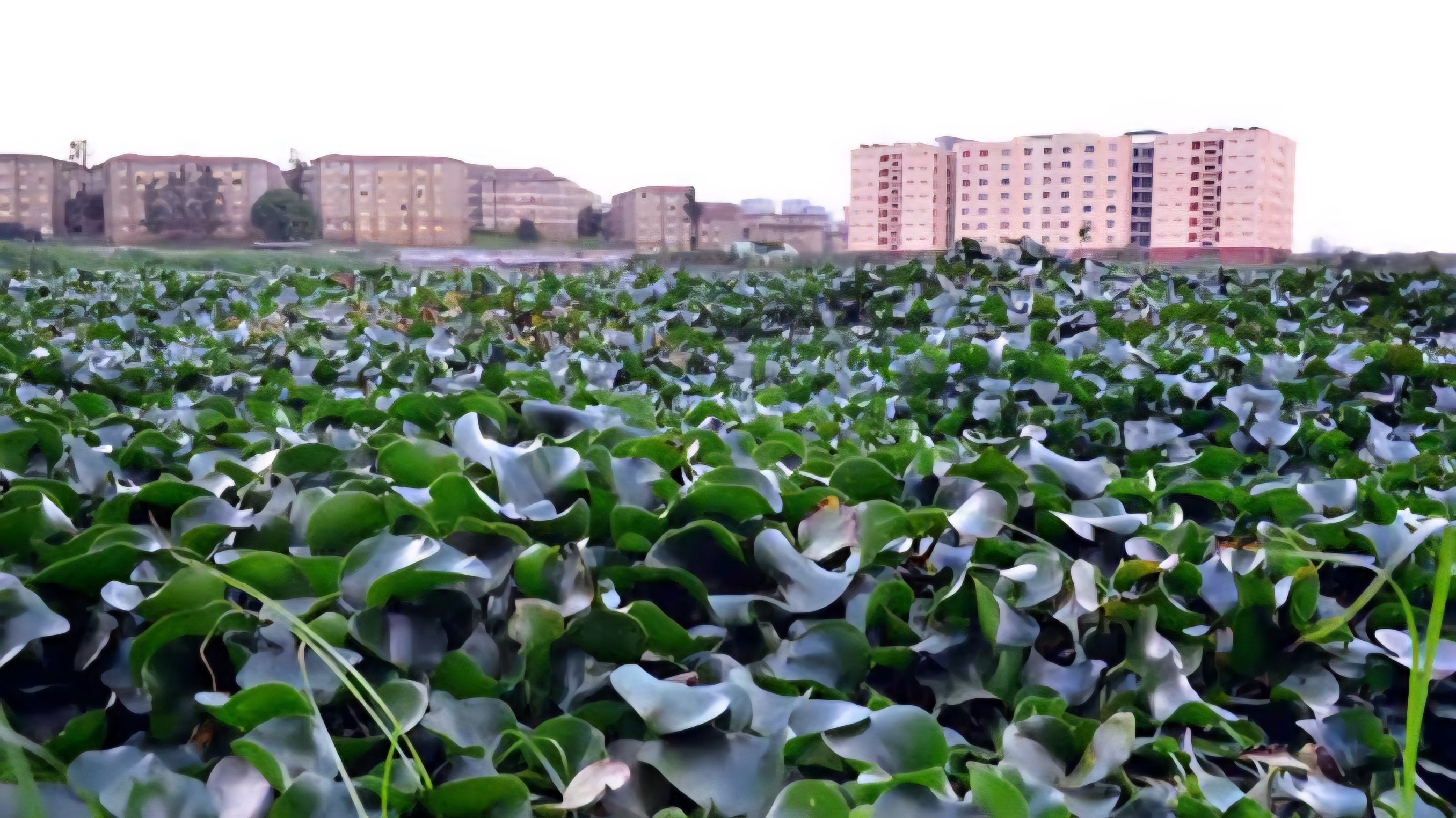

Nairobi Dam is currently facing a catastrophic structural and environmental crisis, with experts describing the 1953-built reservoir as a massive septic tank that poses an immediate threat to thousands of lives. Architect Mumo Musuva, a commissioner with the Nairobi Rivers Commission, has raised the alarm over the severe degradation of the facility, which was originally designed for flood control and recreation.
Appearing on NTV's Fixing the Nation, Musuva detailed how decades of neglect, corruption, and uncontrolled encroachment have transformed the dam into a hazardous waste site. He noted that the decline accelerated significantly after the 1997 El Niño floods, which introduced massive siltation that was never addressed. Without consistent maintenance, the dam’s capacity to manage water has been almost entirely compromised.
The environmental state of the reservoir is particularly grim. Musuva pointed out that raw sewage and solid waste from surrounding informal settlements, including the persistent issue of flying toilets, flow directly into the water body. This high nutrient load has fueled a thick carpet of water hyacinth. While the weed provides some natural filtration, it has effectively hidden the extent of the siltation and reduced the dam's functional depth.
The Water Resources Authority has now issued an immediate relocation notice for residents living downstream. The directive, issued under the Water Act 2016, warns that rising water levels from ongoing heavy rains are putting immense pressure on the dam's earthen embankment. Officials fear a potential breach could send a wall of water through densely populated areas, including parts of Kibera, Lang’ata, and South C.
President Ruto has previously prioritized the regeneration of the city's waterways, and this latest crisis has accelerated government intervention. Governor Johnson Sakaja recently announced a three-pronged emergency plan to stabilize the structure. This includes clearing obstructions from the spillway, conducting geotechnical surveys to test the embankment's strength, and enforcing a 30-meter buffer zone to prevent further encroachment.
The locals, however, find themselves in a precarious position. While the government maintains that the 30-meter riparian reserve must be recovered to save lives, many families have nowhere to go. Thousands are being asked to leave behind their homes and livelihoods in the middle of a heavy rainy season, with limited clarity on immediate resettlement options.
Authorities have considered decommissioning the dam entirely but have opted for full rehabilitation instead. Experts argue that decommissioning would actually multiply flood risks for downstream areas by removing the city's primary buffer against Ngong River surges. The current focus remains on urgent dredging and structural reinforcement to prevent a breach while long-term plans for a Sh50 billion river regeneration project continue.
If the rains persist at their current intensity, the structural integrity of the dam remains the most significant infrastructure concern in the capital. The Nairobi Rivers Commission and county engineers are working to restore the dam's original flood control function, but the sheer volume of silt and waste accumulated over thirty years makes this a daunting technical challenge.
Comments (0)
Leave a Comment
No comments yet. Be the first to share your thoughts!