


Civil engineering works at the Haile Selassie Avenue and Uhuru Highway junction are nearing final completion, as workers focus on interior installations for a new underground transit facility. The project addresses long-running safety risks for thousands of people, who navigate the busy intersection daily.
The subterranean network connects the Green Park Terminus directly to the Nairobi Central Business District (CBD), allowing commuters to bypass heavy vehicular traffic. The national government initiated the project through the Kenya National Highways Authority (KeNHA), which managed the construction phase alongside international engineering teams.
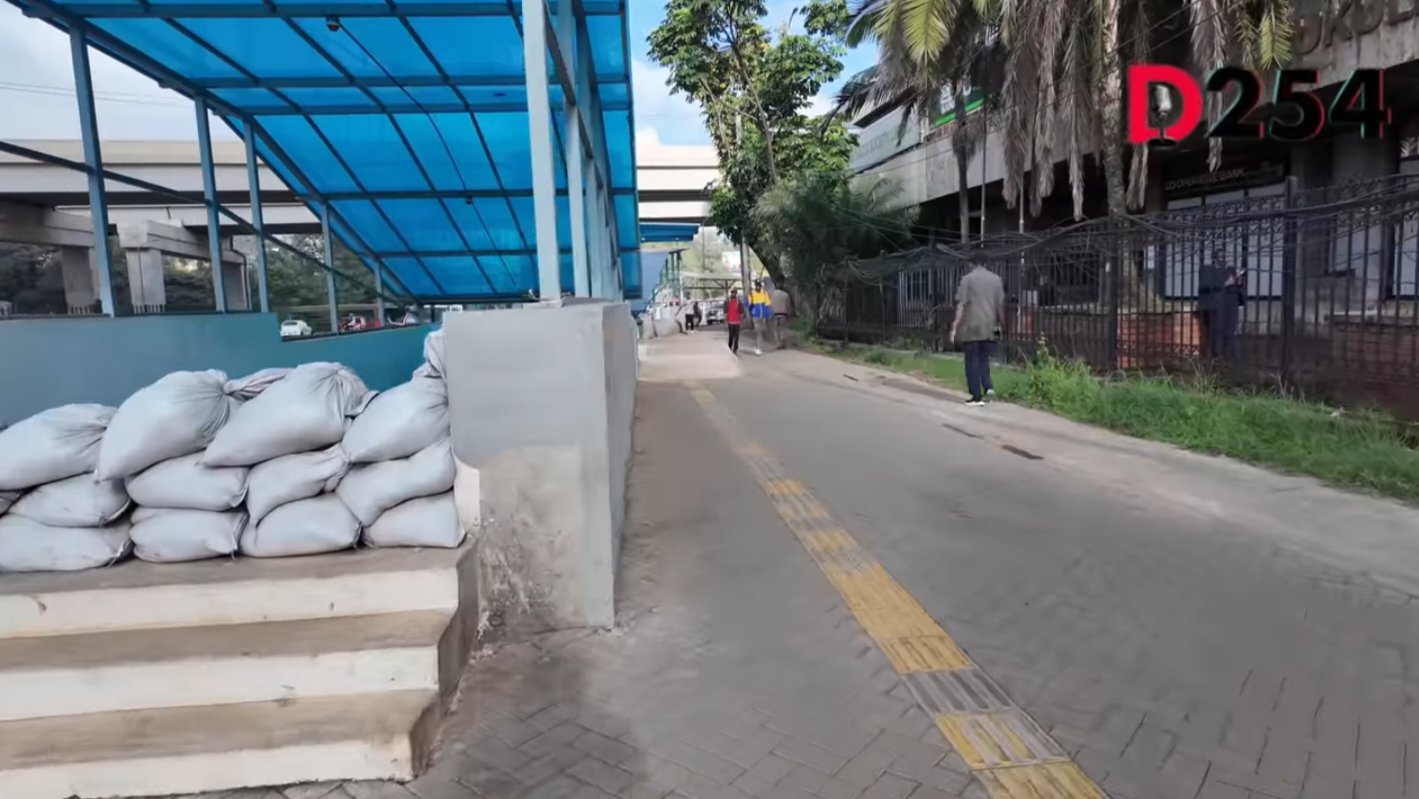
Nairobi Haille Sellasie Underpass ongoing works /Handout
Recent heavy rainfall across the capital tested the subterranean layout, but the specialized underground drainage infrastructure successfully prevented water accumulation. Observers noted that the passageways remained clear of flooding, although surface roads nearby experienced significant water logging during the same storm events.
The China Road and Bridge Corporation (CRBC) handled the primary structural execution of the subterranean system. The construction costs reached two billion Kenyan shillings, with funding sourced through the Road Maintenance Levy Fund (RMLF) to modernize urban infrastructure.
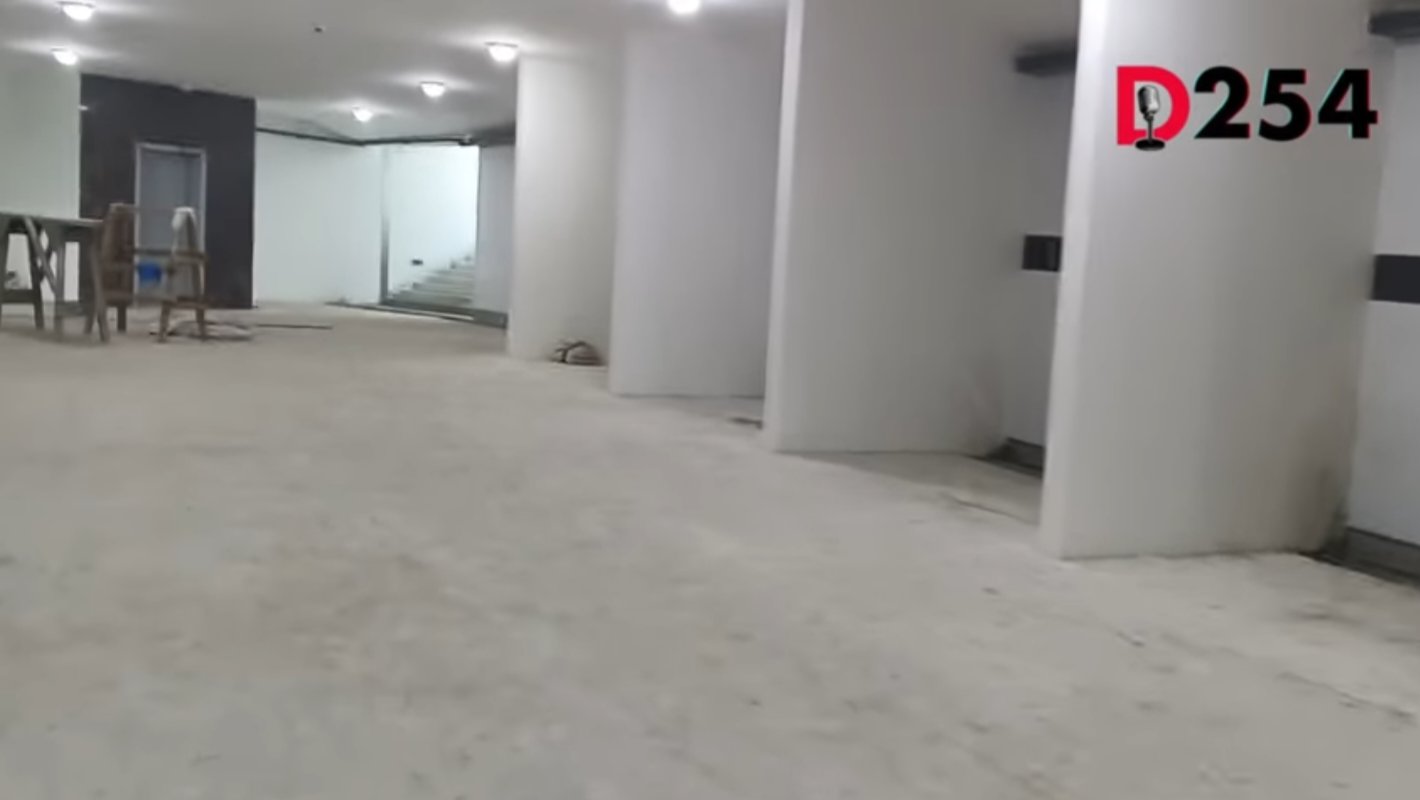
Nairobi Haille Sellasie Underpass ongoing works /Handout
According to recent engineering inspections, the structural framework is nearly complete. Technicians are currently executing interior electrical wiring and system calibrations, before the subterranean walkways open up for regular public usage later this year.
Pedestrian safety remains the primary justification for the subterranean development. Pedestrians previously had to dodge vehicles at the busy roundabout, which created dangerous conditions during peak commuting hours, when traffic volumes peak.
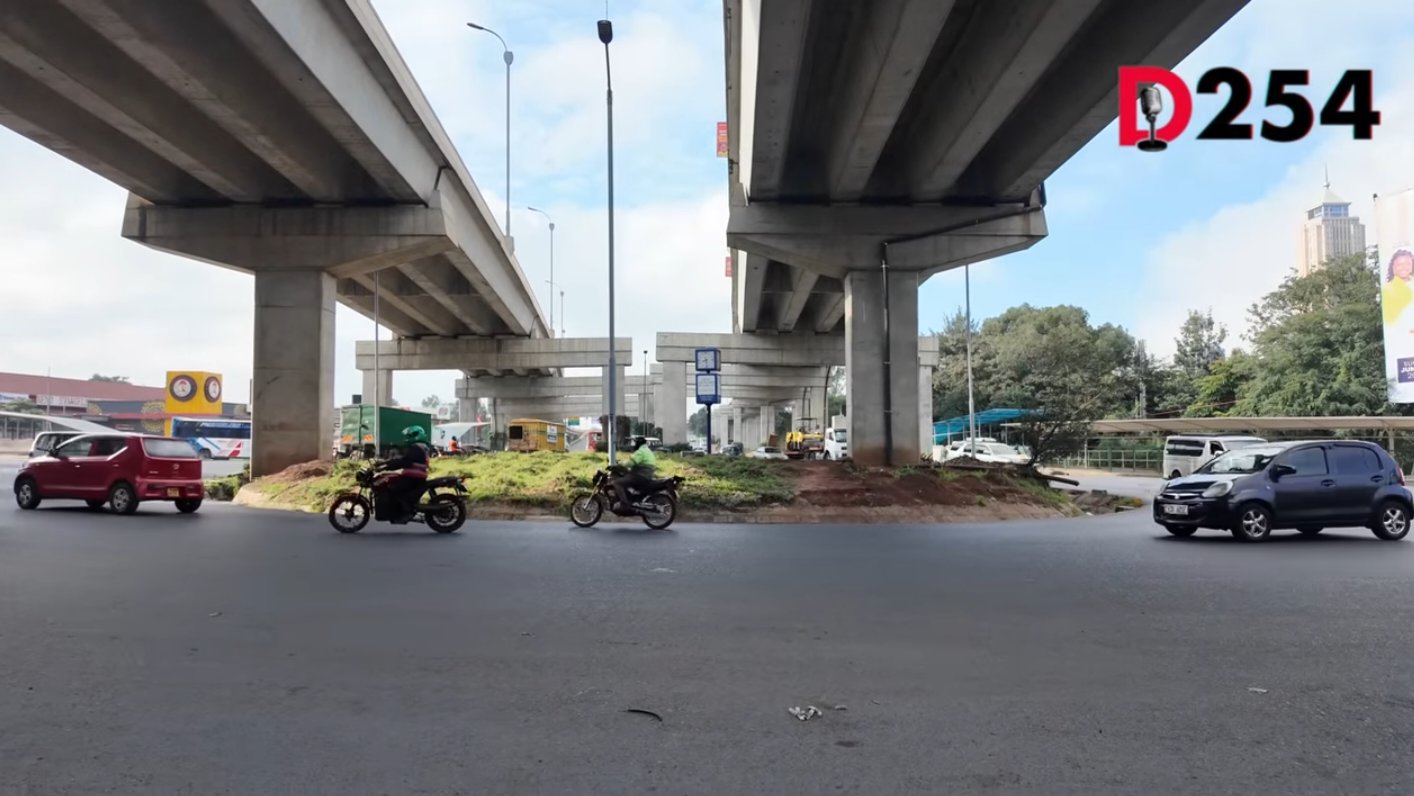
Nairobi Haille Sellasie Avenue /Handout
Data from transport authorities indicates that more than 21,000 pedestrians use this critical corridor every day, including approximately 8,500 commuters during peak morning and evening hours, who walk between transit hubs.
The underground infrastructure consists of four separate underpasses, which vary in length from 29 meters to 106 meters. These tunnels span across both Haile Selassie Avenue and Uhuru Highway, creating a completely isolated environment for non-motorized traffic.
The facility features several modern amenities designed for commuter convenience. The interior layout includes public washrooms, mechanical aeration systems to maintain air quality, and commercial stalls intended for retail kiosks.
Thirty-nine retail spaces line the concrete walls of the underpass, which will host small businesses and vendors. The commercial inclusion ensures the underground space stays active, when commuters fill the terminal areas after work.
Security measures include closed-circuit television cameras, which will monitor the corridors around the clock. A dedicated police post will also operate inside the subterranean complex, if commuters require immediate security assistance.
Accessibility systems are built into the design to assist vulnerable user groups. The contractor is fitting elevators and escalators alongside standard stairwells, which will serve the elderly, expectant mothers, and persons with disabilities.
Seven standby generators are positioned at the site to maintain operational continuity, if power outages affect the primary grid. These backup systems ensure that the ventilation, lighting, and drainage pumps function without interruption.
Government delivery teams led by administrative officials recently toured the site to evaluate the final technical installations. The inspection focused on the mechanical components, which must undergo rigorous testing before public handover.
The completion of this underpass project forms part of a wider effort by the national administration under President Ruto to upgrade urban transport networks. The strategy focuses on separating motorized vehicles from foot traffic in high-density areas.
The final phases of work involve completing the landscaping around the entrance structures, finishing the floor coatings, and completing the utility connections, but major structural excavations are entirely wrapped up.
Comments (0)
Leave a Comment
No comments yet. Be the first to share your thoughts!