
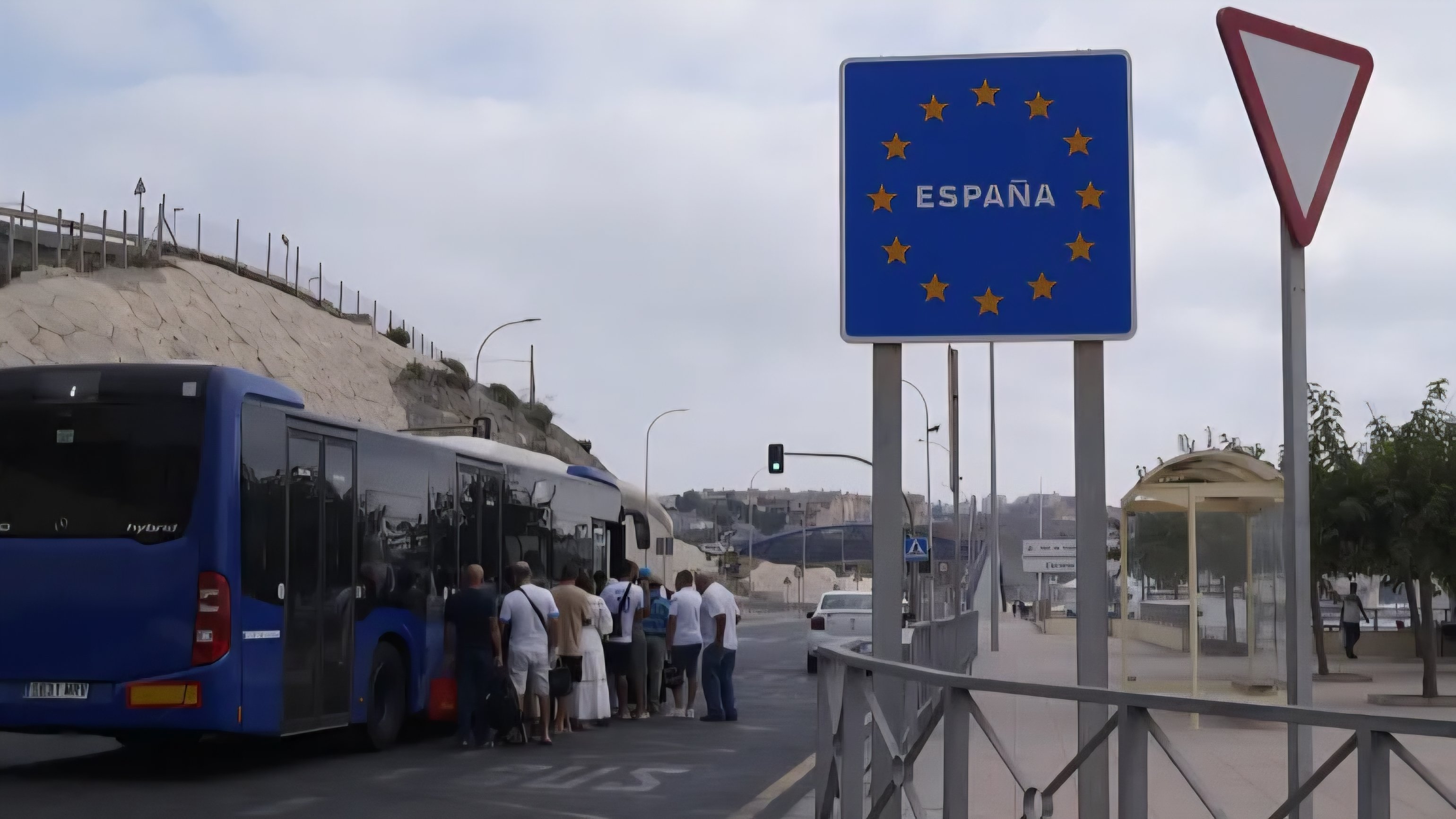

In an explainer published by Al Jazeera, foreign correspondent Priyanka Shankar examines the historical origins of Spanish territories located in North Africa. Ceuta and Melilla remain the last remnants of the Spanish Empire on the African continent.
These two coastal outposts sit directly along the northern coast of Morocco. Ceuta originally came under Portuguese military rule in 1415 during strategic Mediterranean expansion efforts. Control shifted to Spain in 1580 following a dynastic union between the two Iberian monarchies.
Melilla was seized earlier by Spanish nobleman Pedro de Estopinan in 1497. The acquisition secured maritime trade corridors following the fall of Granada. Portugal eventually severed ties with Spain in 1640, but Ceuta chose to maintain its formal allegiance to Madrid.
Today, both territories function as autonomous cities governed directly under the Spanish constitution. They represent the only land borders between the European Union (EU) and an African nation. Morocco borders both enclosures along heavily fortified perimeter barriers.
Moroccan authorities refer to the territories as Sebtah and Melilah in Arabic. Official policy in Rabat considers the presence of foreign troops on the mainland to be an unlawful occupation. Historical treaties signed between European powers were negotiated prior to modern Moroccan sovereignty.
Cross-border infrastructure remains central to regional trade and security operations. Border checkpoints near the Moroccan town of Fnideq handle daily pedestrian traffic and cargo transport. Heavy investments in border perimeter security continue to feature in regional bilateral discussions.
Geopolitical experts note that Spain views the enclaves through the lens of historical heritage. Anthropologist Yolanda Aixelà Cabré highlights that these footholds reflect centuries of maritime history. Maintaining sovereignty over these coastal urban areas remains a priority for authorities in Madrid.
Migration management across these boundaries involves both local law enforcement and international protocols. Border control facilities at Ceuta feature elevated perimeter fencing, surveillance systems, and dedicated transit corridors. Public transit networks connect border security gates directly to urban commercial districts.
The strategic position of these coastal garrisons historically protected key shipping passages. Control of the Strait of Gibraltar ensured unhindered maritime transit between the Atlantic Ocean and the Mediterranean Sea. Modern port infrastructure in both cities still serves significant commercial shipping fleets.
Moroccan claims over the territories surface periodically during diplomatic negotiations. Rabat has occasionally raised the issue at meetings held by the United Nations (UN). Spanish administration over both coastal cities continues without legal disruption under European security agreements.
Civil infrastructure projects in Ceuta and Melilla receive substantial funding from municipal authorities. Upgrades to urban transport hubs, perimeter access points, and port terminals remain essential for regional stability. Administrative coordination across the border determines daily economic activity for surrounding communities.
Security arrangements along these border zones require continuous maintenance by municipal engineering crews. Steel perimeter fences, automated access barriers, and monitoring stations define the physical boundary. Municipal planning agencies ensure that transport networks function efficiently alongside strict customs checkpoints.
Centuries after their initial territorial acquisition, the two enclaves remain significant focal points in Mediterranean geopolitics. Their structural integration into broader European transport frameworks ensures their ongoing role in international commerce and border security management across North Africa.
Comments (0)
Leave a Comment
No comments yet. Be the first to share your thoughts!