
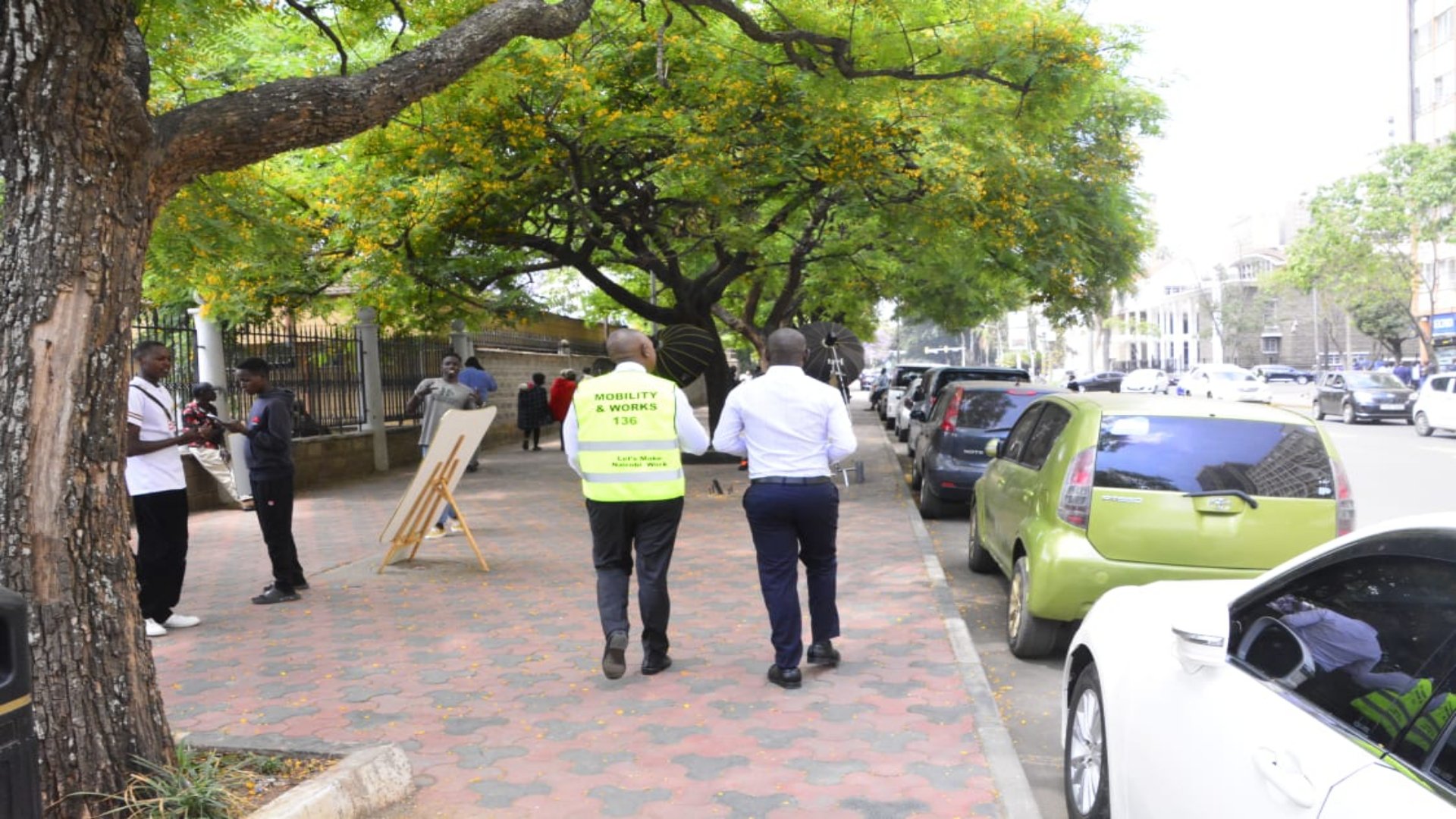

For far too many years, walking through the capital felt like navigating a hazardous obstacle course where any existing sidewalks were routinely commandeered by parked vehicles and other obstructions. What should have been safe, designated pathways for walking became de facto extensions of parking lots, with vehicles crowding every corner, pavement edge, and even ignoring vital zebra crossings.
 The initiative’s transformative effects are already becoming visible and palpable in key urban areas across the metropolis, signaling a genuine commitment to this new vision. Expanded pedestrian walkways, clearly demarcated cycling lanes, and new green corridors have been meticulously developed in the Central Business District, the bustling commercial hub of Westlands, and the heavily populated residential area of Ngara.

These essential physical upgrades are significantly enhancing safety levels and reducing the historical conflict between fast-moving vehicles and the slow, human pace of pedestrian life. Michael Waikenda, the chief officer for mobility, articulated the philosophy driving this change, asserting that Nairobi is rapidly becoming a city built for its people, not merely its machines.
The shift away from car-centric planning is generating important social and economic benefits across various sectors of the city's economy beyond just traffic improvements. Along the busy Tom Mboya Street and in the immediate vicinity of the Ambassadeur Hotel, the newly organized pedestrian spaces have proved highly effective in easing the pervasive matatu congestion that regularly plagues the areas.

Beyond just better traffic flow, these improved walkways are also opening up valuable new economic opportunities for small-scale traders and ambitious street photographers, many of whom are energetic young entrepreneurs.
Nairobi's dedicated trajectory towards becoming a more people-centered and walkable urban space is firmly established, promising a dramatically improved quality of life and a revitalized urban environment for its millions of citizens.
Comments (0)
Leave a Comment
No comments yet. Be the first to share your thoughts!