
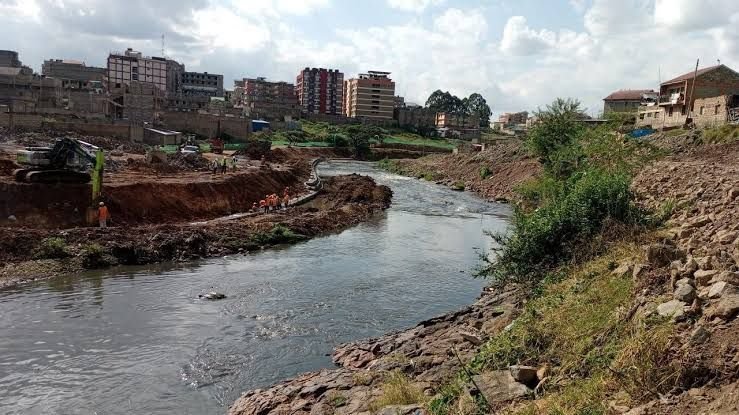

The integrity of Nairobi's primary water arteries is under threat as emerging data reveals a high concentration of antibiotic residues within the river systems. Eng. Jane Mutulili, a seasoned civil engineer and chairperson of the Association of Consulting Engineers of Kenya (ACEK), has raised the alarm over the environmental impact of systemic failures in urban planning and waste management.
The presence of pharmaceutical contaminants, specifically antibiotics, indicates a direct discharge of untreated domestic and industrial waste into the city's waterways. According to Mutulili, this level of pollution is a symptom of inadequate infrastructure that has failed to keep pace with the rapid urbanization of the capital.
For Mutulili, the quest for clean water is a pursuit shaped by personal history. Having spent her youth walking long distances to fetch water, she has dedicated her professional career to engineering solutions that address water scarcity and sanitation. She emphasizes that the current state of Nairobi's rivers is not merely an environmental issue, but a failure of the built environment to protect vital natural resources.
The contamination is largely attributed to the lack of integrated sewer systems in both formal and informal settlements. In many parts of Nairobi, wastewater from households and healthcare facilities is channeled directly into the Nairobi, Ngong, and Mathare rivers. This bypasses necessary treatment processes that would otherwise neutralize chemical and biological hazards.
From a construction and engineering perspective, the solution requires a shift toward sustainable water infrastructure. Mutulili advocates for rigorous planning and the implementation of robust waste disposal frameworks that can handle the city's growing load. She notes that without a paradigm shift in how the construction sector approaches urban drainage and sanitation, the rivers will continue to serve as conduits for disease and antimicrobial resistance.
The ongoing Nairobi River Regeneration Programme, a KSh 50 billion initiative, has recently targeted these issues through the construction of new trunk sewer lines and riverbank stabilization. However, engineers argue that physical infrastructure must be supported by strict enforcement of planning laws to prevent illegal dumping by industrial players and developers who circumvent disposal costs.
As the government moves to demarcate riparian reserves and remove structures encroaching on river corridors, the engineering community is calling for a more holistic approach. This includes the integration of advanced materials and decentralized treatment plants that can process waste closer to the source, reducing the reliance on overstretched central systems.
Ultimately, the goal is to transform the rivers from hazardous waste zones into shared public assets. Mutulili maintains that achieving this requires a commitment to long-term engineering standards rather than short-term fixes. The focus remains on building resilient infrastructure that ensures the water reaching downstream communities is safe and free from the pharmaceutical pollutants currently saturating the basin.
Comments (0)
Leave a Comment
No comments yet. Be the first to share your thoughts!