
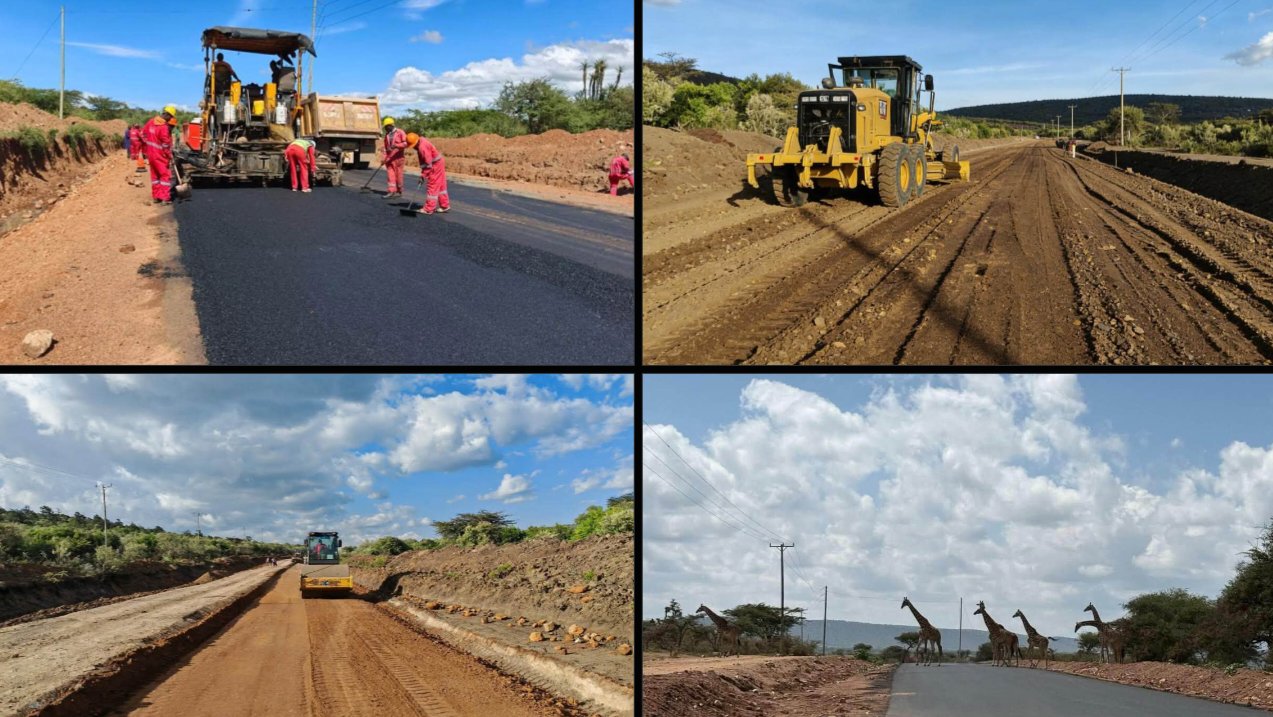

Civil engineering works along the 22-kilometer Nkuswani-Naikara-Leshuta-Morijo Road in Narok County have reached 48 percent completion. Officials from the State Department for Roads (SDR) confirmed the updated progress figures following ongoing field inspections along the rural corridor.
The secondary transit route serves as a crucial link across Narok West, connecting rich agricultural production zones directly to urban market centers. Upgrading operations aim to convert the existing gravel road into a durable bitumen surface.
Heavy construction equipment and paving crews are executing sub-grade preparation, leveling, and drainage installations along active sections. Contractors continue laying asphalt surfacing on prepared road sections, which ensures compliance with national highway specifications.
The Kenya Rural Roads Authority (KeRRA) is supervising the infrastructure project across the rural corridor. Dedicated site engineers maintain active technical oversight to ensure strict quality compliance, before heavy seasonal rainfall affects civil operations.
Prior to construction, local motorists faced severe travel disruptions during rainy seasons because of unpaved road washouts. Farmers encountered elevated transport charges, which squeezed profit margins when moving livestock and fresh produce across the region.
Upgraded drainage features including reinforced box culverts will prevent localized flooding along seasonal river crossings. Effective drainage structures protect sub-base layers from water damage, which extends the operational lifespan of the new road pavement.
The alignment passes through pastoral wildlife areas that host eco-tourism activities and safari travel. Wildlife frequently crosses the secondary road, when animals move freely between adjacent conservancies and protected ecosystems in Narok West.
Bitumen surfaces substantially reduce vehicle maintenance costs for commercial transporters, who navigate rural routes daily. Transport operators can pass operational savings down to local businesses, which lowers general haulage costs for regional commerce.
The national government maintains a focused strategy on expanding rural feeder road networks to support agricultural communities. President Ruto previously stated that rural infrastructure investments remain vital for opening isolated economic zones and stimulating trade.
Construction teams maintain dual-lane diversions around work zones, so local traffic flows without major interruption. Field engineers report steady base layer compaction, although localized weather shifts require minor operational adjustments on open earthwork sites.
County planners expect the completed bitumen corridor to improve access to health facilities and educational institutions for nearby communities. Reliable transit allows emergency vehicles and public transport operators to serve rural residents throughout the year.
Contractors are accelerating earthworks to wrap up major ground preparations before incoming rains impact heavy machinery operations. Official communications representatives confirmed that site personnel remain committed to keeping civil works moving at a steady pace.
The infrastructure development forms a key part of public sector investments designed to strengthen trade corridors in Narok County. Upon full completion, the modernised road will provide smooth, reliable transit for residents and visiting safari tourists alike.
Local administration officials continue collaborating with project engineers to enforce site safety protocols along active construction stretches. Drivers moving through ongoing work zones must observe posted speed limits, as heavy rollers and graders operate near traffic lanes.
The road project demonstrates continued state efforts to modernise key transport links in rural agricultural regions. Field supervisors note that consistent work rates keep overall civil construction targets firmly aligned with original project schedules.
Regional business operators have welcomed the work progress, noting that paved road conditions preserve cargo quality during long trips. Transporting horticultural produce and livestock on smooth surfaces minimizes damage, which secures better market value for local producers.
Comments (0)
Leave a Comment
No comments yet. Be the first to share your thoughts!