
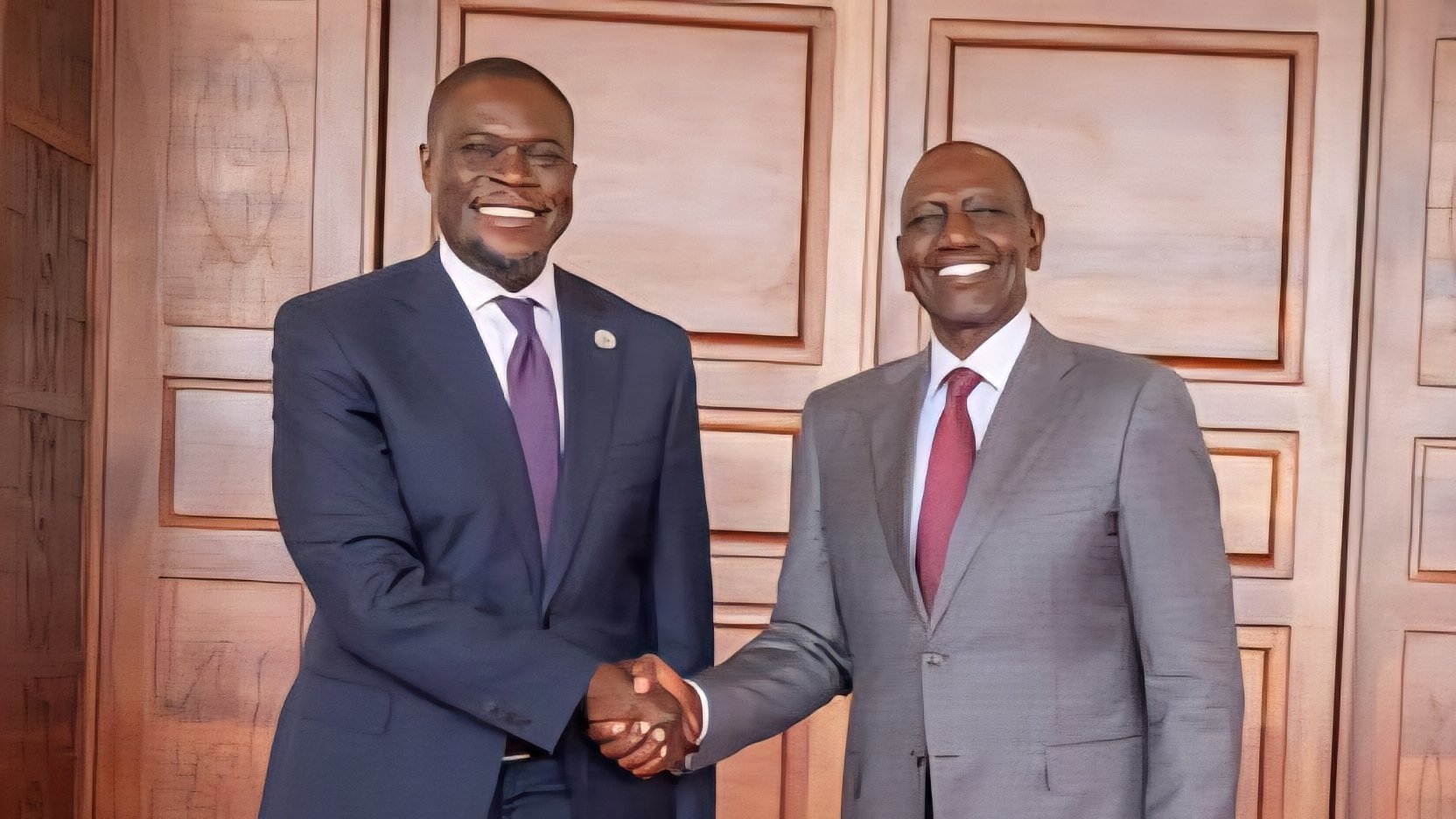

The ambitious cooperation agreement signed between President William Ruto and Nairobi Governor Johnson Sakaja faces a rigorous legal path, as constitutional requirements for public engagement and Senate oversight come to the forefront.
Governor Sakaja, appearing before a Senate committee on Thursday, clarified that the pact signed on February 17, 2026, is not yet final. He noted that for the agreement to be fully operational, it must survive the scrutiny of the people and the lawmakers.
The deal aims to foster a working relationship between the two levels of government, specifically focusing on critical infrastructure and service delivery within the capital. However, the shadow of previous legal challenges against similar arrangements hangs over the current process.
Critics and constitutional experts have pointed out that any transfer or shared exercise of functions requires a clear legal framework. Sakaja acknowledged this reality, stating that the Senate holds a pivotal role in ensuring the pact aligns with the principles of devolution.
Public participation is not merely a procedural formality in the Kenyan context, but a substantive requirement. The Governor emphasized that the residents of Nairobi must be given a platform to voice their views on how their county is governed in partnership with the state.
The Senate Committee on Devolution and Intergovernmental Relations has expressed concerns regarding the specifics of the deal. Senators are keen to ensure that the autonomy of the county government is not undermined by the national executive under the guise of cooperation.
The 2026 pact follows years of administrative shifts in Nairobi, most notably the era of the Nairobi Metropolitan Services. This new agreement seeks a different path, emphasizing cooperation rather than a total takeover of county functions.
Legislators argued that without a formal nod from the Senate, any budgetary allocations or policy shifts stemming from the pact could be deemed unconstitutional. The Governor agreed that the process must be beyond reproach to avoid future litigation.
The timeline for these public hearings and the subsequent Senate debate remains flexible. City Hall insiders suggest that the technical teams are currently refining the document to ensure it addresses the most pressing urban challenges before the public phase begins.
Infrastructure projects, including road upgrades and waste management systems, are reportedly at the heart of the cooperation. These capital-intensive ventures require stable legal backing to attract the necessary funding and technical expertise.
The Senate has demanded a full disclosure of the terms of the pact. This transparency is expected to shed light on which specific departments will see increased involvement from the national government and how the twin budgets will be managed.
As the discussion moves to the legislative floor, the focus remains on whether this deal can provide a sustainable model for urban governance. The outcome of the public participation exercise will likely dictate the final amendments to the cooperation framework.
Governor Sakaja remains optimistic that the pact will bridge the gap between local needs and national resources. He maintained that the goal is to transform Nairobi into a more functional city through a structured, legally sound partnership.
The coming weeks will be decisive for the Ruto-Sakaja deal, as the Senate prepares to receive the formal petition for approval. Until then, the cooperation remains a statement of intent, awaiting the seal of public and legislative authority.
Comments (0)
Leave a Comment
No comments yet. Be the first to share your thoughts!