
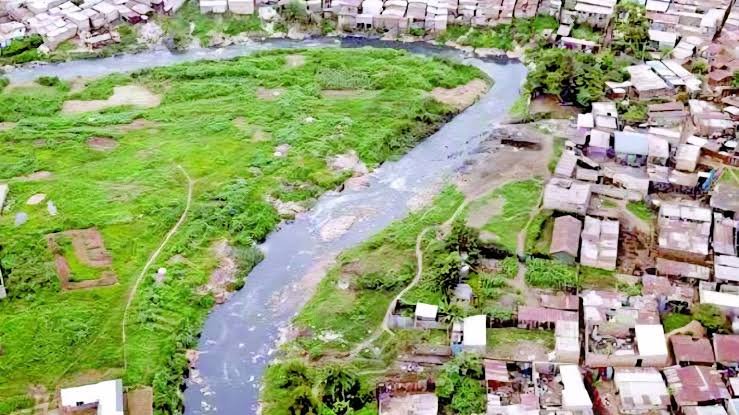

The Ministry of Interior has reaffirmed the government's commitment to the total reclamation of the Nairobi River, signaling a new phase in an infrastructure program designed to overhaul the city's environmental and urban health. This update follows a series of inspections by President Ruto, who originally launched the Sh50 billion Nairobi River Basin Regeneration Programme to address decades of pollution and unplanned settlement.
Central to the ongoing works is the construction of a 60-kilometer trunk sewer line, which is intended to eliminate the direct discharge of waste into the water system. Engineering teams have already achieved approximately 80 percent completion at the Kamukunji section, where works include riverbank stabilization and the development of a community center. The wider project aims to replace dilapidated drainage with a modern network stretching from Naivasha Road to Ruai.
Beyond water quality, the Ministry of Interior emphasized that the project is anchored on providing dignity through decent housing and economic opportunities. The blueprint includes the delivery of 50,000 affordable housing units located in reclaimed regions along the river corridor. These developments are paired with the construction of modern markets intended to host 20,000 informal traders, moving them from precarious riparian zones into structured commercial spaces.
The Nairobi Rivers Commission, which oversees the multi-sectoral effort, has recently intensified its verification of property documents within a designated 60-meter riparian buffer. This Special Planning Area (SPA) allows for regulated development and the creation of green public spaces, including pedestrian walkways and cycling lanes. Officials have noted that structures with invalid documentation will be removed, as the state seeks to secure the riverbanks against further encroachment.
While the engineering and cleanup efforts have already generated an estimated 40,000 jobs for local youth, the focus is now shifting to upstream compliance. Authorities are specifically monitoring areas in Kileleshwa and Lavington to ensure that private developments are not discharging effluent into the tributaries. This catchment-wide approach is deemed essential for the long-term viability of downstream resources, including the Thwake Dam.
The program, which involves collaboration between the Ministry of Lands, NEMA, and the Nairobi City County government, remains on a trajectory for completion by early 2027. Local administrators have been directed to fast-track permits for riverbank projects while providing transition support, including job training and alternative trading spaces, for the locals affected by the redevelopment of the 27-kilometer urban stretch.
Comments (0)
Leave a Comment
No comments yet. Be the first to share your thoughts!