


The Ministry of Water, Sanitation and Irrigation (MOWSI) Cabinet Secretary (CS) and Principal Secretary (PS) have conducted a joint site inspection to evaluate the ongoing development of the water treatment facilities serving Kitui and Matuu towns.
This inspection comes as part of the broader Kenya Towns Sustainable Water Supply and Sanitation Program, an initiative financed by the African Development Bank (AfDB) alongside the Government of Kenya to improve water systems in local urban centres.
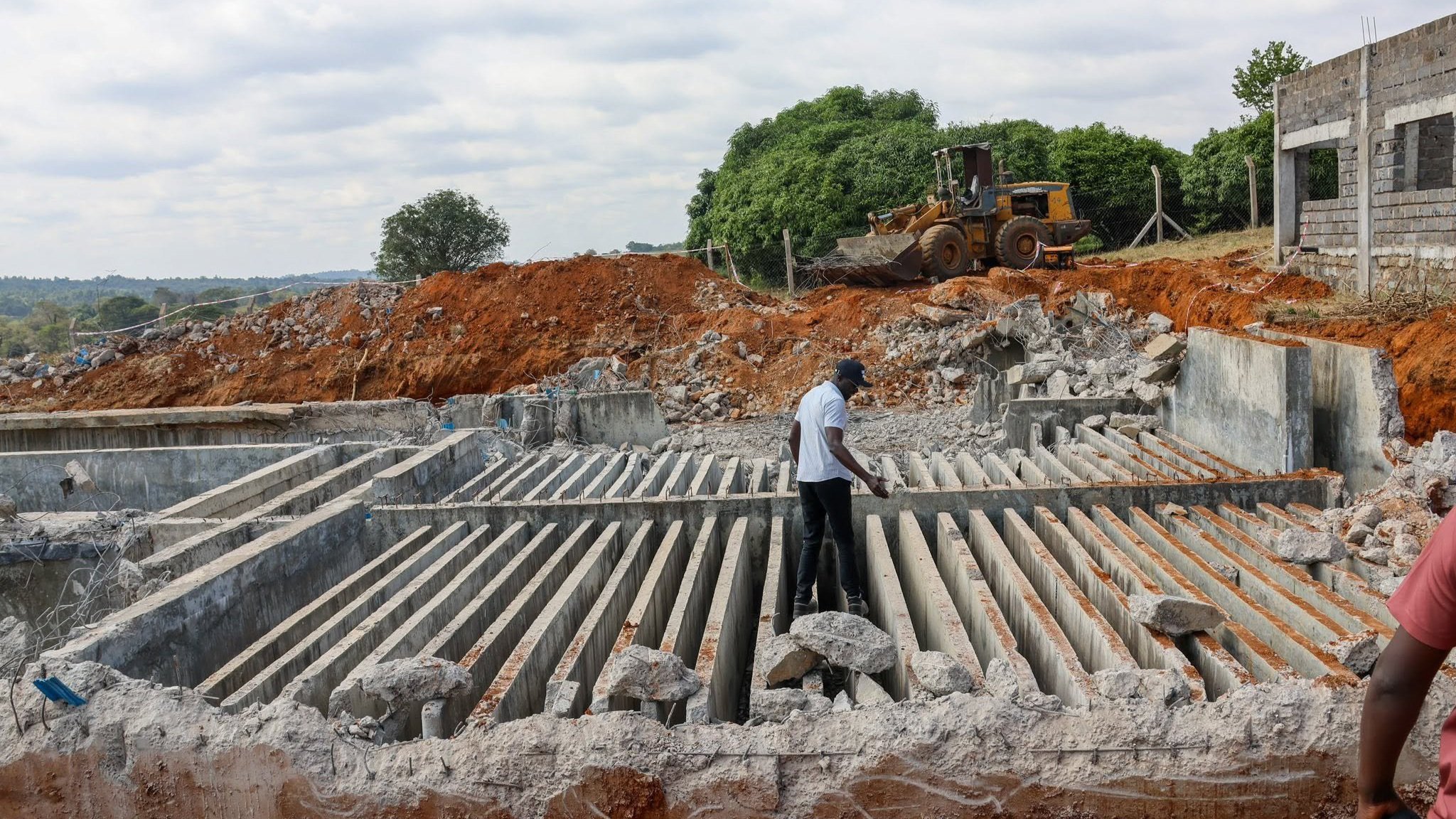
The delegation checked structural progress on the Matuu water treatment plant, which forms a vital component of the infrastructure rollout in the region.
The infrastructure project aims to address chronic supply deficits by delivering clean drinking water to approximately 60,000 residents across the designated service areas, benefiting about 12,000 households when fully operational.
The engineering scope for the Matuu cluster involves the construction of intake works and a dedicated water treatment plant engineered to abstract and treat 4,000 cubic metres of water per day.
In addition to the core treatment works, the scope requires the installation of a 34-kilometre treated water transmission pipeline ranging from diameters of 63 millimetres to 315 millimetres.
Contractors will also establish 1,000 direct consumer connections and install a 150-kilowatt solar farm to provide green power to the facility, reducing operational electricity overheads.
The wider intervention includes work within the Kitui cluster, focusing on the construction of 500 consumer connections to expand the current municipal network distribution.
Engineering teams are also rehabilitating two municipal sewer pump stations within Kitui, which involves replacing existing pumps and support generators to stabilize local wastewater management.
Furthermore, the regional program encompasses the Wote cluster, where engineers are building an intake weir across the Kaiti River and constructing a 400 cubic metre sump tank.
The Wote cluster works include the completion and operationalization of rising mains and distribution lines for the Kaiti system, alongside a separate 150-kilowatt solar farm and borehole equipping.
Historically, the Last Mile Connectivity Project for Matuu, Kitui, and Wote towns faced substantial execution challenges, forcing the implementing agencies to restructure the procurement framework.
The initial contract, valued at approximately 869 million Kenya Shillings (KES), was officially terminated on October 11, 2023, following an extended period of non-performance by the previous contractor.
At the time of that contract termination, overall project progress had stalled significantly, with the Matuu water treatment plant standing at 50 per cent completion and the Kitui sewer at 15 per cent.
To revive the stalled infrastructure, the Athi Water Works Development Agency (AWWDA) and the Tanathi Water Works Development Agency (TAWWDA) repackaged the remaining civil works for retendering.
International competitive bidding procedures closed in February 2026, allowing the ministry to onboard capable engineering firms to drive the remaining construction phases toward completion.
The recent site visit by top ministry officials highlights the state's focus on finishing delayed water infrastructure, ensuring public funds yield the intended sanitation benefits.
By transitioning the plants to clean solar energy, the ministry intends to lower long-term maintenance costs, ensuring sustainable utility operations for regional water service providers.
During the inspection, the ministerial team emphasized the necessity of strict compliance with the revised construction schedules to avoid further economic disruptions to local economies.
Local administrators welcomed the inspection, noting that the completion of the infrastructure will alleviate reliance on unsafe water sources and expensive private water vendors.
With procurement finalized and contractors on site, the ministry aims to systematically execute the final plumbing, mechanical installations, and electrical integrations at the Matuu facility.
Comments (0)
Leave a Comment
No comments yet. Be the first to share your thoughts!