
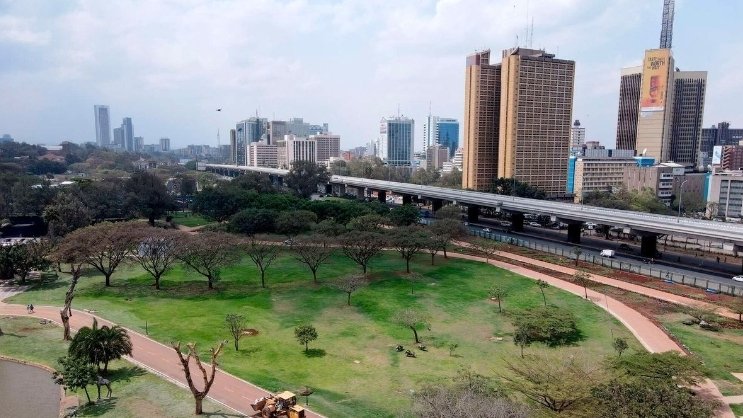

Public concern over possible land grabbing in Uhuru Park has drawn a firm response from Nairobi authorities. The county government has denied any intention to excise portions of the park.
The Green Belt Movement first raised the issue on June 3. It reported survey beacons placed in sections of Uhuru and Central parks. The group suggested this could mark the start of road expansion plans.
Both parks enjoy strong legal protection. They are public land under the Constitution and serve as vital recreational spaces for the city.
County executive for Green Nairobi Maureen Njeri addressed the claims directly. She stated that no excision is planned or under consideration. The county continues to prioritise protection of urban green areas.
The works in question fall under the Kenya National Highways Authority. KeNHA director in charge of Maintenance Engineer Ezekiel Fukwo described them as part of broader beautification and safety improvements along the Uhuru Highway corridor.
The project includes new pedestrian walkways and cycling lanes where space allows. Officials say markings on the ground are simply for planning and boundary definition. No park land will be permanently taken.
Environmental organisations have called for transparency. They want details on approvals, impact assessments and public consultations. Any changes to protected parks require strict legal steps.
Uhuru Park carries deep historical importance in Kenya. It has long stood as a symbol of civic space and environmental defence.
Both KeNHA and the county say engagement with stakeholders including the Green Belt Movement is ongoing. The project remains at the consultation stage.
Nairobi struggles with the competing demands of urban growth and green space preservation. This latest episode highlights the tension in balancing infrastructure needs with public land protection.
Comments (0)
Leave a Comment
No comments yet. Be the first to share your thoughts!