

A version of this article appeared on Business Daily.
The expansion of road networks around the capital city often focuses on traffic decongestion, but recent developments reveal unexpected social dimensions to these massive transport projects.
Roadside reserves and junctions are becoming active focal points for informal urban gatherings, which challenges traditional planning models.
At the Thogoto Interchange along the Southern Bypass, a unique nightlife culture has rapidly taken root.
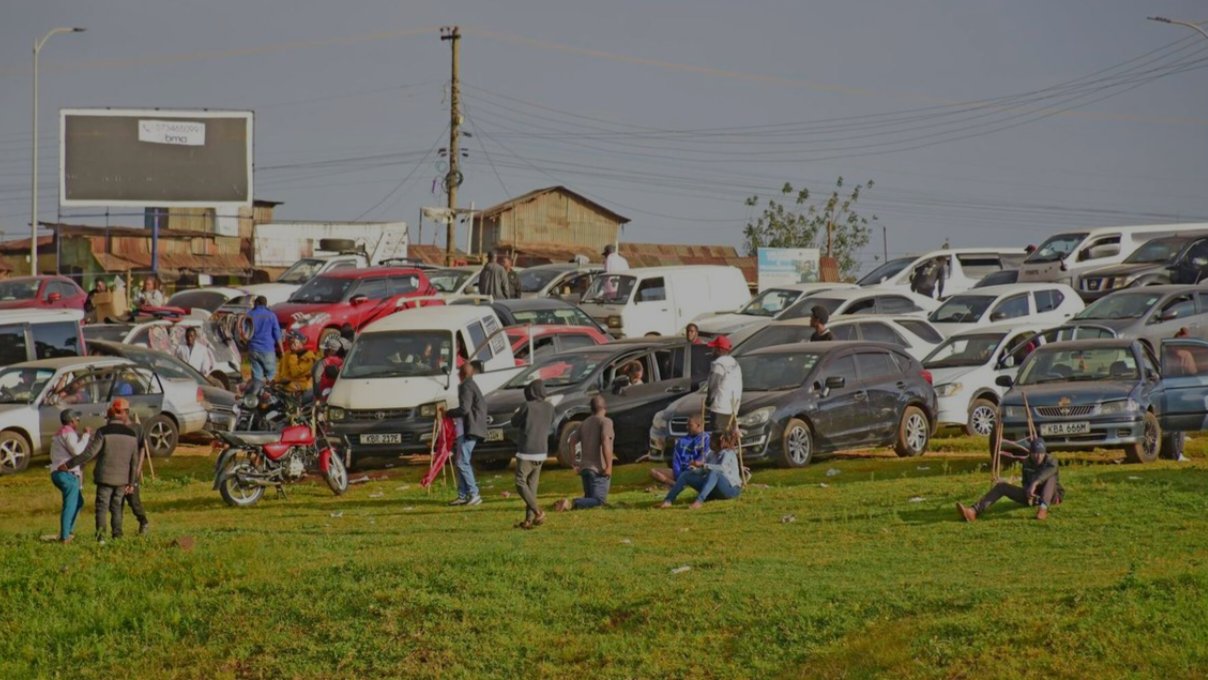
The area has become Nairobi’s newest park-and-chill hotspot, drawing large crowds of revellers, who prefer open spaces over the confined environments of traditional joints.
This lifestyle trend involves motorists driving to the junction, parking their vehicles along the wide, grassy shoulders, and socialising directly from their cars.
The shift is drawing patrons away from conventional clubs, but it is also reshaping the regional nightlife economy, and opening up fresh informal business avenues.
The Kenya National Highways Authority (KeNHA) originally built the interchange to streamline transit between Kikuyu and Dagoretti.
However, the expansive civil engineering layout, which features wide buffers and open green reserves, accidentally provided the ideal physical environment for large outdoor gatherings.
On weekend evenings, the highway shoulder transforms into an open-air venue filled with hundreds of vehicles.
Participants play music from their car sound systems, creating a vibrant, collective atmosphere, which operates entirely outside the framework of formal hospitality establishments, although these businesses frequently charge premium prices.
Economic pressures play a major role in driving this behavioral shift among young urbanites, when rising inflation and high beverage costs inside clubs make alternative spaces popular.
With these rising expenses, the option to purchase drinks from retail shops offers an affordable alternative, if patrons prefer to socialise outdoors.
This mass gathering of motorists has triggered an influx of small-scale entrepreneurs to the roadside location.
Temporary vendors quickly set up mobile kitchens, charcoal grills, and small display tables, which caters directly to the culinary demands of the nighttime crowd.
Traders sell various items, including grilled meat, snacks, and warm beverages, turning the transport infrastructure into a thriving night market.
This rapid commercial adaptation shows how informal economies can swiftly leverage public infrastructure to generate income, although it bypasses standard county business licensing.
However, the conversion of an active transport corridor into a recreational zone introduces substantial safety concerns.
Highway shoulders are designed strictly for emergency stops, but parking rows of vehicles near high-speed lanes creates severe risks of rear-end collisions, if traffic management is neglected.
Local authorities and road safety advocates often warn about the dangers of mixing pedestrians, alcohol, and fast-moving traffic.
Late-night visibility issues along the bypass further compound these hazards, when regular monitoring by traffic law enforcement officers becomes an absolute necessity.
Similar challenges have been observed across other major transport corridors in the metropolitan area, including the Nairobi Western Bypass.
As motorists seek scenic viewpoints along new roads, the pressure on highway management agencies to enforce strict parking regulations continues to grow daily, but solutions remain elusive.
Urban planning experts argue that the popularity of the Thogoto site exposes a deeper systemic issue.
The spontaneous gathering highlights a critical shortage of safe, affordable, and well-maintained public recreational spaces within Nairobi County, which forces residents to seek alternatives.
Without formal parks, residents will continue to repurpose available civil infrastructure for leisure, if no interventions are made.
This reality suggests that future road designs may need to incorporate dedicated, safe service lanes, but such modifications require significant policy shifts.
For the time being, the busy junction remains a clear demonstration of community adaptation.
The site illustrates how infrastructure can take on a life of its own, transforming an engineering asset into a lively, self-organized cultural landmark, when communities seek social connection.
Comments (0)
Leave a Comment
No comments yet. Be the first to share your thoughts!