
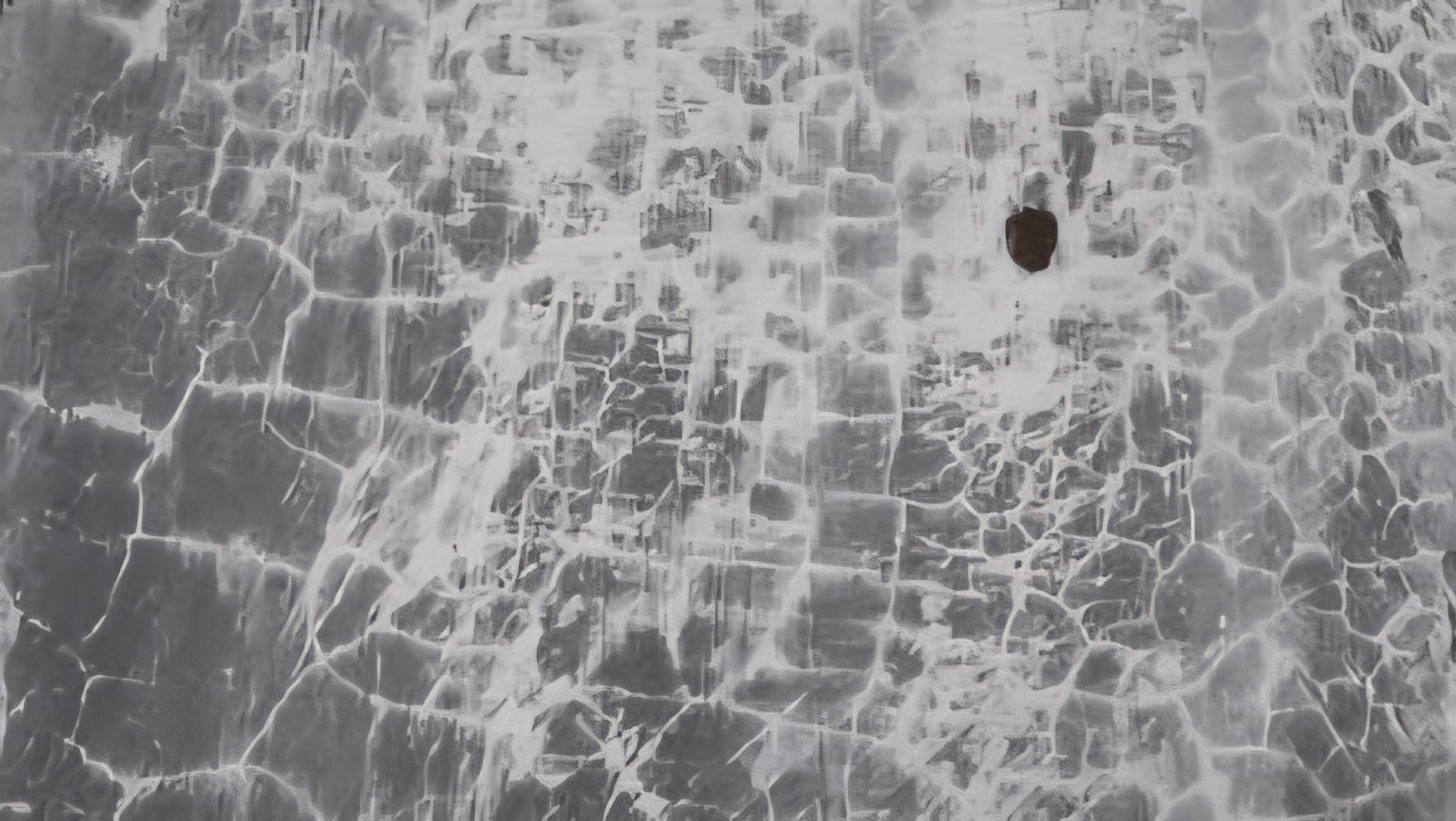

Concrete cracks are frequently dismissed as mere aesthetic blemishes, yet for the seasoned civil engineer, they serve as a primary diagnostic tool. According to technical insights shared by Faiz Haidar, a Quality Control Civil Engineer, these fractures are rarely isolated incidents. Instead, they often represent a complex interplay of design flaws, material failures, or environmental stressors that can compromise the lifespan of a structure if left unaddressed.
The identification of these patterns is essential for any durability assessment. Haidar identifies nine distinct categories of cracking that professionals must distinguish to implement effective repair strategies. Among the most prevalent are plastic and drying shrinkage cracks. Plastic shrinkage typically occurs while the concrete is still in its unhardened state, often driven by rapid moisture evaporation from the surface. In contrast, drying shrinkage manifests as the hardened material loses moisture over time, leading to contraction and subsequent fracturing.
Thermal and settlement cracks present different challenges. Thermal cracking is often the result of temperature differentials within the concrete mass, particularly in large-scale pours where the heat of hydration is significant. Settlement cracks, however, point toward issues with the subgrade or the structural support system, appearing when the earth beneath the concrete shifts or fails to provide uniform bearing pressure. These types of defects are not merely surface-level, they often indicate that the structural equilibrium of the project is at risk.
More severe implications arise from structural and overloading cracks. These are direct indicators that the service loads have exceeded the design capacity or that the reinforcement detailing is insufficient. Such cracks are critical for inspectors to document immediately, as they directly impact the load-bearing safety of the infrastructure. When paired with corrosion-induced cracking, where the internal steel reinforcement oxidizes and expands, the resulting internal pressure can lead to significant spalling and loss of bond between the steel and the concrete.
Environmental and chemical reactions also play a role, specifically through Alkali-Silica Reaction, or ASR, cracking. This occurs when the alkalis in the cement react with certain aggregates in the presence of moisture, creating an expansive gel that causes internal map-cracking. On the other end of the spectrum is crazing, which consists of fine, shallow surface patterns. While crazing is often considered a non-structural defect related to finishing techniques or premature drying, it can still diminish the long-term resilience of the surface against weathering.
Recognizing these patterns early can prevent the need for total structural replacement. Each crack tells a specific story about the workmanship and the service conditions of the site. For civil engineers and inspectors, the goal is to move beyond visual observation and into the realm of forensic diagnosis. By understanding whether a crack is active or stable, and whether it is caused by chemical attack or mechanical stress, professionals can extend the operational life of bridges, buildings, and pavements, ensuring that the infrastructure remains safe for public use over its intended lifespan.
Comments (0)
Leave a Comment
No comments yet. Be the first to share your thoughts!