
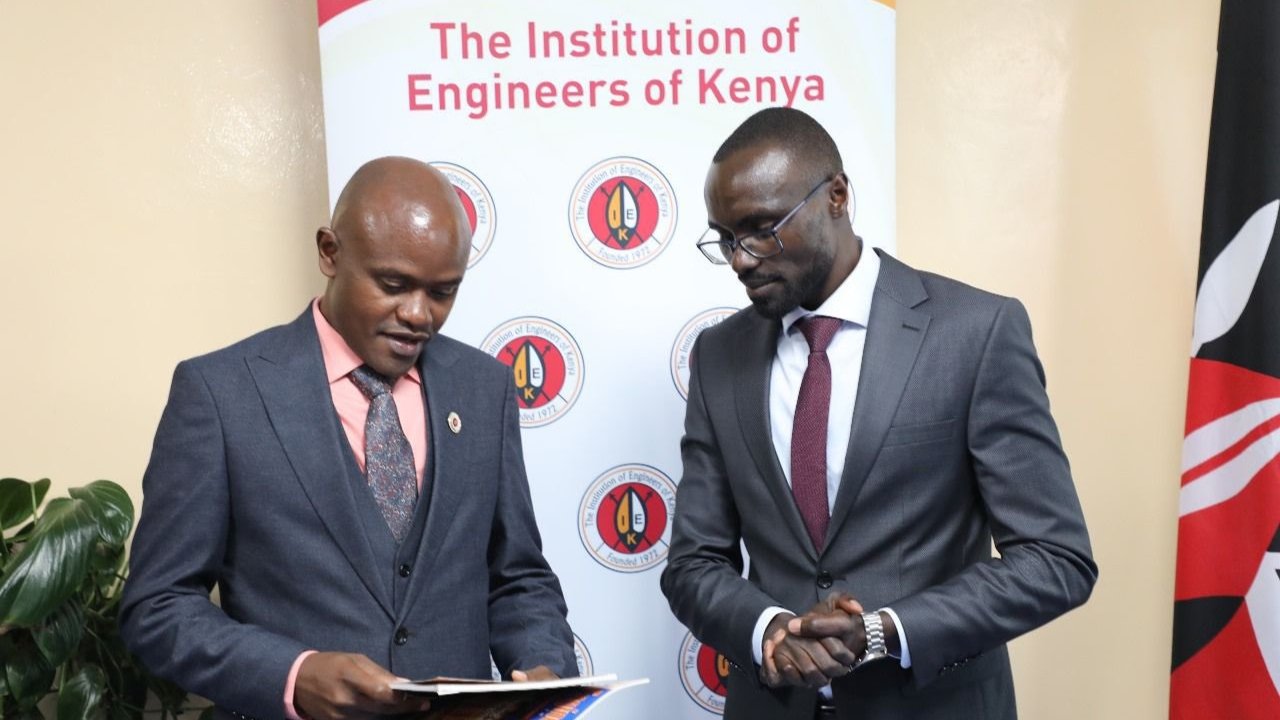

The Institution of Engineers of Kenya is grappling with an extended leadership vacuum that has stretched deep into May 2026.
Elections originally scheduled for 23 April were suspended by High Court orders issued on 13 April in Petition E009/2026 filed by Sam Aberi against IEK and another. The case centres on graduate member voting rights.
A separate petition by Dennis Barongo challenges 2025 constitutional amendments and has kept the status quo preserved since February.
Under Articles 9.04 to 9.08 of the 2015 constitution the current council’s two-year term formally ended in April. No fresh elections have taken place.
The sitting council has invoked the doctrine of necessity. It continues managing day-to-day affairs until a new council is elected and handover occurs under sections 9.15 and 9.16.
Many members have grown anxious about continuity, governance and the stalled constitutional review process.
Frustrated by the deadlock, members decided to exercise their rights under the constitution. On 4 May 2026 Eng. Howard A. M’mayi, Member No. F.3249, sent a formal requisition letter to the Hon. Secretary.
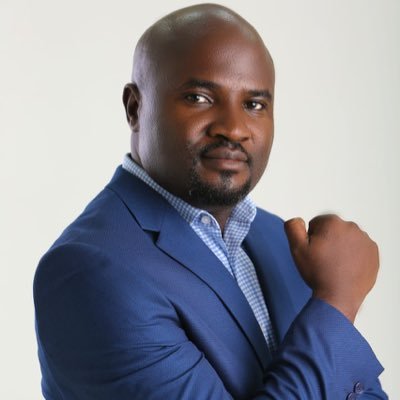
Eng. Howard M'mayi (KeNHA) /X
The letter invoked Article 11.05 read together with Article 11.09. It proposed a Special General Meeting at Daystar University Nairobi Campus on 21 May starting at 2 pm.
The requisition was copied to the Registrar of Societies at the Office of the Attorney General and Department of Justice.
A signed memorandum attached to the letter laid out three motions under one agenda. The goal was to deliberate the current crisis and find a member-driven solution that promotes continuity and cohesion.
Motion one tackled the lapsed term of current office bearers. It proposed either appointing a caretaker council of five members or extending the current team’s tenure to handle IEK affairs, complete elections and manage transition as the SGM directs.
Motion two focused on the constitution review process. It sought recall of the draft document under review, timelines for resolving inclusivity and voting rights, timelines to strengthen constitutional safeguards against future crises, and a resolution directing leadership to communicate the agreed way forward to the Registrar and the courts.
Motion three left room for any other member proposals.
The requisition carried a firm warning. If the Hon. Secretary’s office did not issue formal notice by 7 May the letter itself would serve as notice under Article 11.09.
The council responded on 11 May through two documents signed by President Eng. Shammah Kiteme. One reply went directly to Eng. Howard A. M’mayi. The other was a communique to all members after the council’s special meeting on 8 May.
The council acknowledged the concerns about governance and the stalled transition. Nevertheless it rejected the proposed 21 May date on two main grounds.
First, the constitution requires a 30-day notice period for proper participation, agenda circulation, membership verification and logistics. The short timeline made the meeting impracticable.
Second, the council invoked the sub judice doctrine. Several motions touch on issues still pending before the High Court in the two petitions. Deliberation could prejudice judicial proceedings.
On the first motion the council stated there is no constitutional provision for a caretaker committee. Leadership can only be assumed through elections.
Every sub-point in the second motion was ruled out for the same reason. The third motion was described as too vague for a properly constituted meeting.
In the communique the council reiterated that under the doctrine of necessity it remains the only constitutionally recognised governing body. It advised members to ignore unofficial fliers and posters.
Any legitimate SGM would be announced through official channels. As an alternative the council invited members to a kamukunji briefing on current institutional matters.
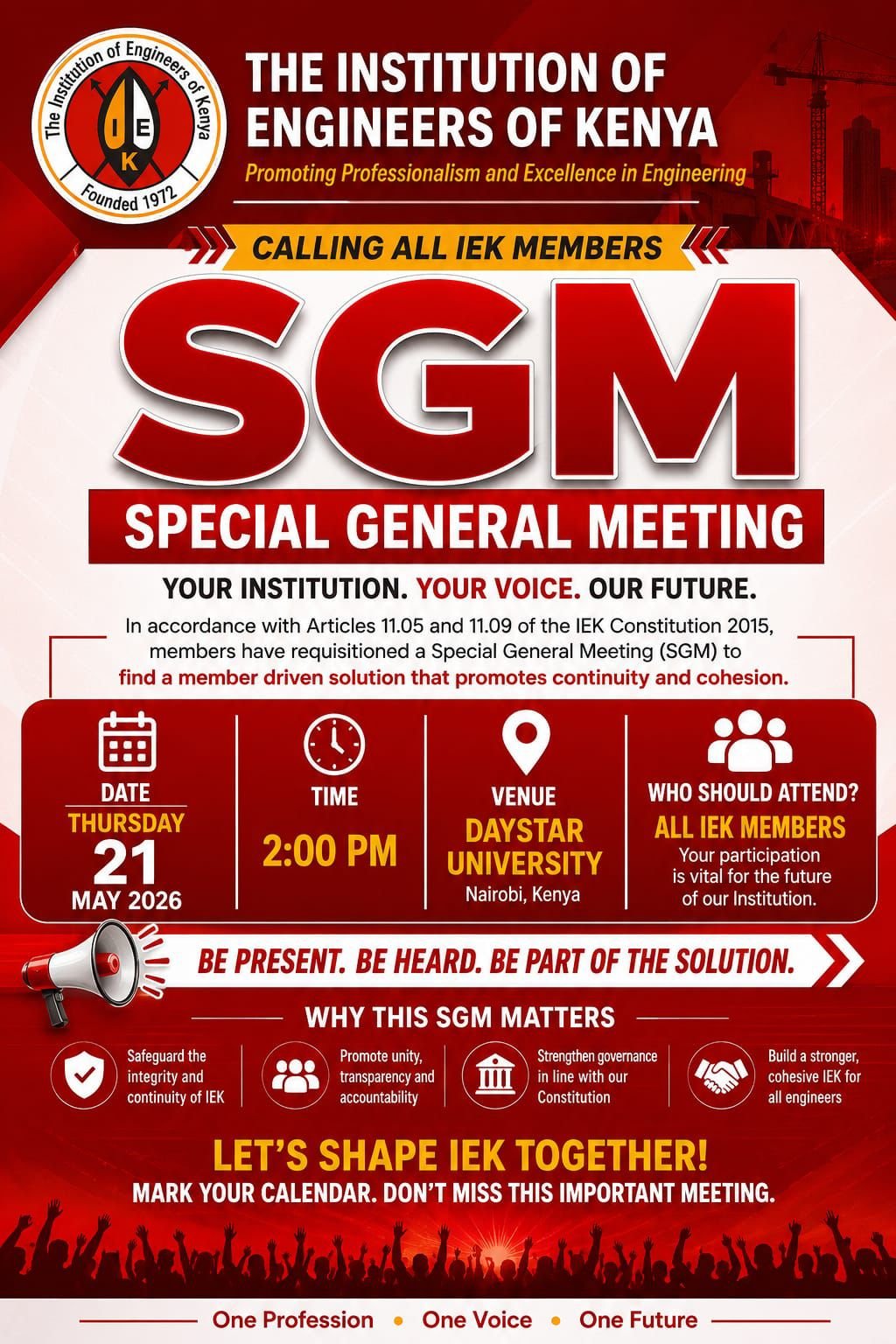
Despite the formal rejection, members led by Eng. Howard A. M’mayi are pushing forward. A poster continues to circulate widely among members.
Engineers and politics. Feels like my grandma is around with her cane, except she only needed it for old age and not to discipline anyone.
The poster still lists the meeting for Thursday 21 May 2026 at 2 pm at Daystar University. The poster carries the IEK and it urges ALL IEK MEMBERS to attend. Participation is described as vital for the future of the institution.
Organisers stress the SGM is open to every engineer. GEs also have a voice. The only difference between GEs, PEs and CEs is time, according to one member. The meeting is planned to be both physical and virtual to maximise participation.
In the latest members’ update efforts remain underway to secure the Daystar venue. If that proves impossible an alternative location will be booked and all members notified promptly.
On 13 May President Kiteme wrote to the principal of Daystar University. The letter referenced IEK/PRF/CEO/MA/1009/2026 and instructed the campus to accept IEK venue bookings only from Procurement Officer Mr. Adriel Njumwa.
Any other requests must be declined.
Because the secretariat may not facilitate the booking the update takes a practical tone. Members are asked to raise resources and confirm a booked venue by Sunday. A volunteer is needed to run a simple ledger tracking contributions and coordinate logistics for both physical attendance and live-streamed virtual participation.
The Institution of Engineers of Kenya was founded in 1972. It has grown into the country’s apex professional body representing engineers across all disciplines. The body plays a central role in national infrastructure policy, professional standards and ethics.
The current situation, triggered by the court suspension of elections and the resulting lapse of the council term, has tested internal governance mechanisms.
While the council maintains it acts within constitutional bounds and judicial constraints, requisitioning members argue that Article 11.05 provides a legitimate avenue for urgent member engagement on the way forward.
No new election date has been set. Further developments will depend on the High Court’s upcoming directions in the two petitions.
In the meantime the public exchange of letters, posters, venue instructions and calls for member support has brought the internal debate into full view of the wider engineering fraternity.
The coming days will show whether the 21 May gathering proceeds exactly as members have planned or whether additional steps are taken through official channels or the courts.
Comments (0)
Leave a Comment
No comments yet. Be the first to share your thoughts!