

A version of this article appeared on Interesting Engineering/LinkedIn.
Modern construction demands a strict adherence to technical precision, where the core of structural integrity relies on more than just the procurement of raw materials. The real substance of a project rests in the rigorous application of engineering principles.
It is a demanding discipline that translates raw calculations into operational confidence. The process bridges the gap between theoretical data and physical safety, ensuring that what works on paper performs reliably in the field.
Engineers must meticulously convert multi-layered architectural drawings into permanent physical structures. These assets are built with the long-term expectation that they will outlive the teams responsible for designing and erecting them.
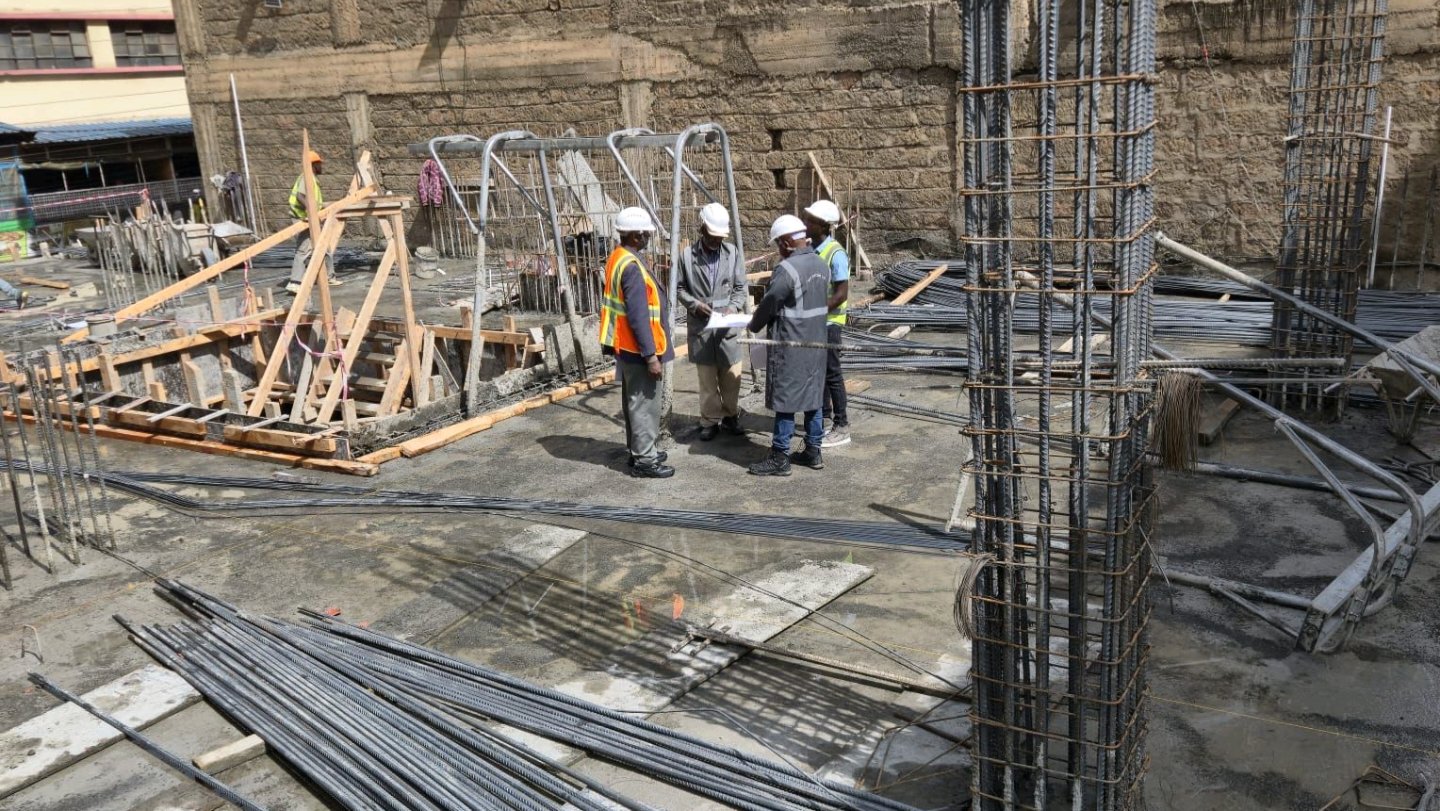
This longevity depends entirely on strict quality control during the active phase of construction. Every individual reinforcement bar must be placed in its exact position according to the structural specifications, if the design is to handle load variations.
Similarly, every site inspection conducted by the engineering team serves as a vital safeguard against structural deficiencies. Skipping these routines compromises safety, but consistent oversight ensures the final building matches the approved design parameters.
Ultimately, the combination of concrete and steel forms only the physical shell of a modern development. The invisible framework of professional discipline, careful calculations, and accurate translation of drawings is what actually guarantees public safety.
Comments (0)
Leave a Comment
No comments yet. Be the first to share your thoughts!