
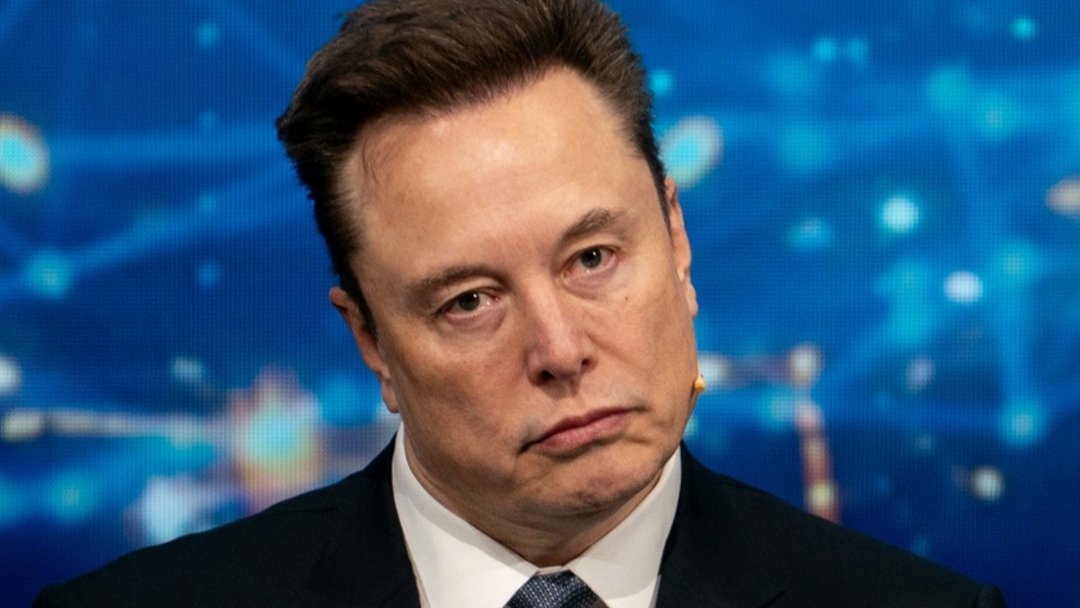

SpaceX under Elon Musk has scheduled its initial public offering for June 12 at a targeted valuation of 1.75 trillion dollars. This would surpass previous records including Saudi Aramco.
The company organises activity around three core businesses with combined fiscal 2025 revenue of 18.7 billion dollars. That total reflected 33 percent growth from the prior year.
Its space operations covering launches and Starship development generated 4.1 billion dollars. Starlink satellite broadband delivered 11.4 billion dollars with EBITDA margins of 63 percent. SpaceXAI focusing on terrestrial and orbital artificial intelligence compute reported 3.2 billion dollars while expanding quickly.
Starlink stands out for its economics. It serves 10.3 million subscribers across 164 countries and adds roughly 1.5 million new users each month. Satellites launched by SpaceX rockets incur almost no extra marginal cost once in orbit. This physical advantage distinguishes it from conventional terrestrial networks.
Analysts place Starlink standalone value between 650 billion and 860 billion dollars using software-as-a-service benchmarks.
The Anthropic contract strengthens the AI segment significantly. It brings 1.25 billion dollars monthly for compute access at Colossus 1 through May 2029. That amounts to 15 billion dollars annually from one agreement which already exceeds total space operations revenue.
Two or three comparable deals could expand the artificial intelligence business to between 30 billion and 45 billion dollars yearly.
Plans for orbital data centers introduce fresh infrastructure demands. SpaceX filed with the Federal Communications Commission for up to one million solar-powered AI compute nodes in low Earth orbit. These would use passive cooling from space vacuum and continuous solar power.
Target deployment points to 2028. Google chief executive Sundar Pichai has expressed support for similar concepts via Project Suncatcher. He described orbital data centers as potentially standard construction within a decade crediting SpaceX launch advances.
Projections suggest this segment could reach 550 billion to 800 billion dollars by 2030.
Investors seeking positions before the June 12 listing encounter barriers on direct shares. The Tema Space Innovators ETF traded as NASA on the New York Stock Exchange provides one route. It holds pre-IPO SpaceX exposure through a special purpose vehicle. Assets under management reached 2.6 billion dollars after crossing 1 billion dollars in only 37 trading days.
This fund now leads other space exchange-traded funds including UFO ARKX and ROKT.
Broader exposure comes from ecosystem companies that gain when Starship technology lowers launch costs industry-wide. Rocket Lab holds 11.89 percent allocation in the ETF as another vertically integrated launcher. Planet Labs takes 6.90 percent with Earth observation satellites that complement Starlink connectivity.
Firefly Aerospace represents 6.39 percent through NASA small launch contracts. Intuitive Machines accounts for 6.31 percent supporting lunar logistics in the Artemis programme. AST SpaceMobile sits at 5.99 percent developing direct-to-cell satellite systems.
These positions connect to real infrastructure needs. Reduced costs to orbit would accelerate satellite manufacturing volumes and require upgrades to launch pad facilities. Orbital compute nodes demand precision engineering for vacuum conditions with integrated solar arrays. Passive cooling approaches cut reliance on traditional mechanical systems.
On the ground supporting data centres for the AI business call for expanded power delivery networks and advanced cooling installations. Starlink extends broadband infrastructure to remote regions where fibre optic cables or cell towers remain uneconomical.
The 1.75 trillion dollar valuation continues to draw discussion. Contracted AI revenues flow today while Starlink operates as premium infrastructure with limited competition. Orbital data centers represent an additional option markets have not fully priced. Starship developments under Elon Musk could reshape expenses for launches satellites and related construction projects.
Wall Street has begun reallocating resources around the anticipated debut. Outcomes from this listing may influence approaches to other mega offerings in coming years. Construction sector observers note growing demand for specialised engineering in both terrestrial facilities and orbital systems.