
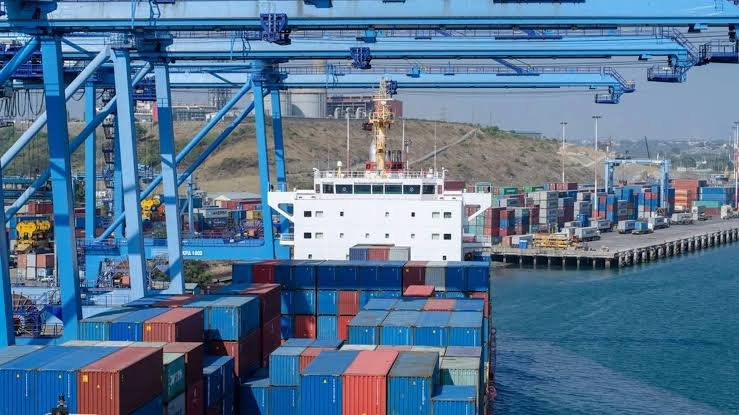

Plans to involve private players in the management of critical infrastructure at the Mombasa and Lamu ports have gained new momentum. This follows a legal settlement between the government and the Taireni Association of Mijikenda, a group that had previously moved to court to block the move. The association originally argued that the assets, which include several high-value berths, were public property developed using taxpayer funds and should not be handed over to private entities under the Public Private Partnership Act of 2022.
Under the terms of the consent agreement signed by lawyers representing the association, the Kenya Ports Authority, and various state ministries, the challenge against the tendering process has been resolved. This opens the door for the state to continue with Tender No KPA/052/2023-2024/CPS, which targets the development and operation of specific port assets.
The assets earmarked for private investment include Berths 1 through 3 at the Lamu Container Terminal and the Lamu Special Economic Zone. In Mombasa, the plan covers Berths 11 to 14 and the first container terminal. The state intends to transition these facilities toward a landlord-type port management system. This model is designed to invite global expertise and capital to manage operations while the government retains ownership of the land and the broader port infrastructure.
The Ministry of Roads and Transport has maintained that these partnerships are necessary to address persistent challenges. High cargo dwell times and congestion have often hampered the efficiency of the Northern Corridor. By bringing in private operators, the government aims to boost the competitiveness of the maritime sector. Projections suggest that these strategic leases could help Kenya reach an ambitious goal of generating significant annual revenue from its maritime gateways by 2030.
During the initial legal proceedings, the petitioners expressed concern that the state was using the Public-Private Partnership Act to bypass constitutional requirements for the disposal of public assets. They argued that because the berths were already developed, they did not qualify as "projects" under the Act. However, the government’s stance is that these concessions are not a permanent disposal of assets but a strategic management shift to modernize equipment and streamline logistics.
In Mombasa, specifically, there are plans to allocate berths to international operators like DP World to upgrade facilities that currently struggle with modern container operations. The goal is to convert these into multipurpose terminals capable of handling a significantly higher volume of twenty-foot equivalent units.
At the Port of Lamu, the focus remains on the agri-bulk and liquid bulk terminals. The state is seeking over 44 billion shillings in private investment to fully realize the potential of the LAPSSET corridor. As regional competition for transit cargo intensifies with neighboring countries, the Kenya Ports Authority is banking on these private-sector partnerships to secure its position as the primary hub for East Africa.
Comments (0)
Leave a Comment
No comments yet. Be the first to share your thoughts!