
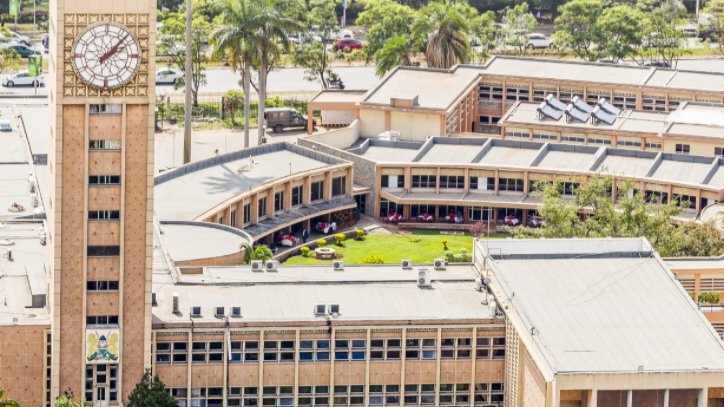

Members of the National Assembly have approved a supplementary budget increase of Sh363.9 billion for the 2025/26 financial year. The decision, taken during a week of intensive legislative review, elevates the total national expenditure to approximately Sh4.66 trillion.
The move comes after the Budget and Appropriations Committee, led by Chairman Samuel Atandi, identified critical funding shortfalls that were not sufficiently covered in the original estimates presented by the National Treasury. According to the committee, the extra allocation is primarily intended to settle pending personnel emoluments and operational costs across the education, health, and security sectors.
Under the new adjustments, the Teachers Service Commission receives an additional Sh24 billion, which pushes its total allocation to Sh411 billion. The health sector has also secured a boost of Sh26 billion, raising its total budget from an initial Sh138 billion to Sh164 billion to support service delivery and address wage gaps in public facilities.
National security remains a major beneficiary of the revised spending plan. The sector is set to receive an additional Sh53 billion, bringing its total budget to Sh418 billion. Within this envelope, the State Department for Internal Security and the National Police Service are designated for higher funding to cover personnel costs, while the National Intelligence Service will receive Sh10 billion.
Infrastructure and development spending remain central to the broader 2025/26 fiscal framework. Prior to this supplementary adjustment, the government had already signaled a commitment to critical infrastructure, with estimates for the sector expected to grow to Sh535.6 billion. This includes ongoing investments in the road, rail, and airport sectors to facilitate cross-border trade.
Despite the approval, the expanded budget has raised questions regarding Kenya’s fiscal sustainability. The fiscal deficit is now projected to reach Sh1.3 trillion, a sharp increase from the previously approved Sh923.2 billion. Critics have expressed concern over the reliance on Article 223 of the Constitution, which allows for emergency spending without prior parliamentary approval.
To manage the rising expenditure, the National Assembly has increased funding for the Kenya Revenue Authority. Legislators have tasked the authority with strengthening revenue collection and broadening the tax base to offset the Sh364 billion increase.
President Ruto’s administration intends to finance the supplementary budget through a mix of domestic revenue and external loans. Funding is expected from the World Bank and the African Development Bank, alongside Samurai loan financing. Those particularly in the teaching and health professions are expected to see the immediate effects of these adjustments through the regularisation of unpaid dues.
Comments (0)
Leave a Comment
No comments yet. Be the first to share your thoughts!