
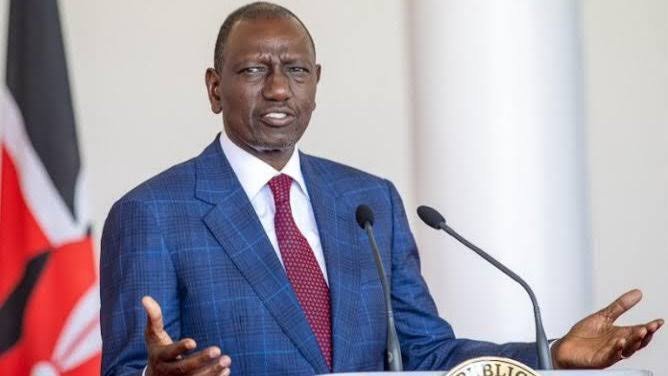

President Ruto has ordered a significant reduction of Value Added Tax (VAT) from 16% to 8% to address the rising cost of living. The directive, which remains in effect for the next three months, comes at a time when global oil markets are reacting to the ongoing war in Iran.
The President confirmed the tax relief measures during a press briefing, noting that the intervention is necessary to protect the domestic economy from external shocks. Rising fuel prices have historically trickled down to almost every sector in Kenya, specifically affecting transport and the manufacturing of building materials.
By halving the VAT rate, the government expects to lower the retail price of petroleum products across the country. This move follows weeks of mounting pressure on the Energy and Petroleum Regulatory Authority (EPRA) to find ways of mitigating the impact of international crude price hikes.
For the construction industry, this reduction is a welcome development. Fuel is a primary driver of logistics and heavy machinery operations. Lower fuel costs typically reduce the expense of transporting cement, steel, and ballast to various project sites.
The war in Iran has disrupted global supply chains, leading to a spike in the cost of importing refined petroleum. Industry analysts have warned that without state intervention, the local price per litre of petrol could have reached record highs this month.
President Ruto emphasized that his administration is monitoring the situation in the Middle East closely. The three-month window for the 8% VAT rate provides a temporary cushion while the government evaluates long-term fiscal strategies to manage energy inflation.
While the tax cut will reduce the revenue collected by the Kenya Revenue Authority, the executive branch appears to be prioritizing immediate relief for the public. The lower tax bracket is expected to stabilize the prices of basic commodities, which are often influenced by the cost of diesel used in agricultural machinery and distribution trucks.
Economic observers note that the timing of the announcement is crucial. With several major infrastructure projects currently underway, any sustained increase in fuel prices could lead to budget overruns or delays in delivery.
Contractors often operate on thin margins, and the fluctuation of transport costs can determine the profitability of a project. By capping the tax burden on fuel, the government is effectively providing a subsidy to the wider logistics and industrial sectors.
This directive is expected to be gazetted immediately to allow for implementation by oil marketing companies. Consumers should see the changes reflected at the pump during the next monthly price review by EPRA.
Government officials have stated that they will continue to explore additional measures if the conflict in Iran persists beyond the current quarter. For now, the focus remains on ensuring that the local market remains resilient despite the volatile international environment.
Comments (0)
Leave a Comment
No comments yet. Be the first to share your thoughts!