
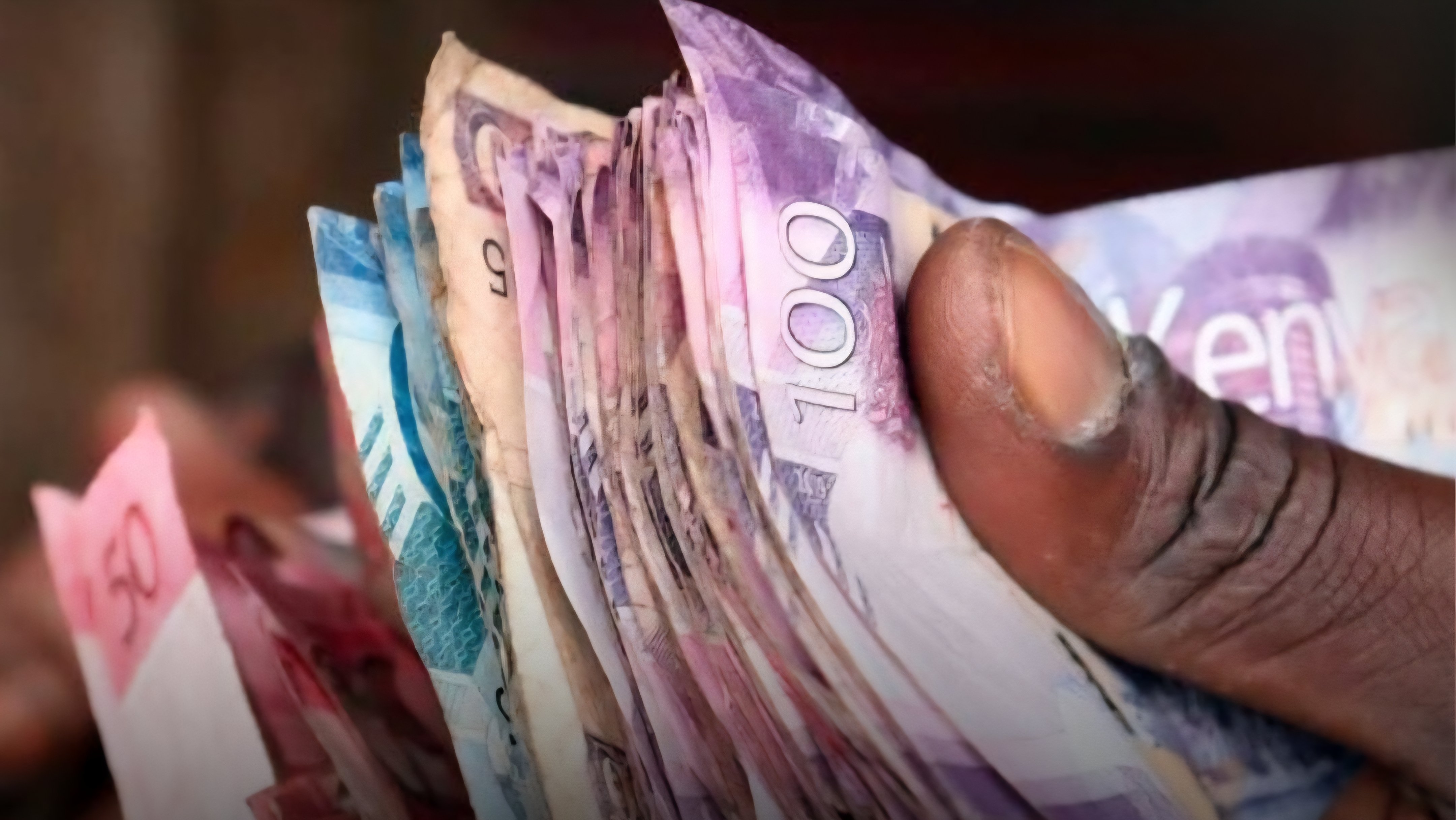

A social media video featuring a man tearing a Sh100 Kenyan banknote has reignited a fierce public debate regarding the legality of handling national currency. The footage, which circulated widely on platforms like TikTok, shows the individual deliberately destroying the legal tender, drawing immediate condemnation from some viewers and dismissal from others who believed the act was harmless.
While the internet remains divided on the morality of the act, the legal framework governing Kenyan currency is remarkably clear. Under the Central Bank of Kenya (CBK) Act, banknotes and coins are considered national property and a critical part of the country's economic infrastructure. Any person who willfully and without lawful authority or excuse mutilates, cuts, tears, or perforates any currency note commits a serious offense.
The infrastructure of a nation is not limited to its roads and bridges. It also includes the integrity of its financial system. Maintaining the physical quality of money is a costly endeavor for the state. Every time a note is destroyed or defaced, the Central Bank must incur significant costs to print and circulate replacements. This logistical burden is one of the primary reasons the law is so stringent regarding the protection of legal tender.
Legal experts point out that the penalties for such actions are designed to act as a deterrent. According to the CBK Act, individuals found guilty of mutilating currency can face a fine not exceeding Sh100,000, or imprisonment for a term not exceeding seven years, or both. This high-stakes penalty reflects the government's stance on preserving the dignity of national symbols.
In addition to the CBK Act, Section 367 of the Penal Code also addresses the destruction of property. When the property in question is national currency, the state views the act as a direct affront to the monetary authority. Law enforcement agencies have previously used social media footage as evidence to track down and prosecute individuals who engage in such activities for "clout" or online engagement.
Critics of the strict laws argue that once a person earns money, it should be theirs to do with as they please. However, from a regulatory perspective, the banknote is merely a medium of exchange owned by the issuing authority. The physical paper remains under the jurisdiction of the Central Bank, even while the value it represents is held by the individual.
The current uproar serves as a stark reminder to content creators and the general public that digital trends can have real-world legal consequences. As the Central Bank continues to modernize Kenya’s financial systems, the protection of physical currency remains a priority. Authorities have urged Kenyans to handle banknotes with care, noting that defaced notes are often rejected by automated teller machines and electronic payment kiosks, further disrupting the flow of commerce.
For those involved in the construction and business sectors, where cash transactions often remain a staple for site-level payments and small-scale procurement, understanding these regulations is vital. Ensuring that payroll and petty cash are handled with respect to the law prevents unnecessary legal entanglements for both employers and workers.
The viral TikToker now faces the possibility of becoming a legal precedent, as investigative bodies monitor social media for such violations. As the debate continues, the official stance remains firm to protect the shilling or face the full force of the law.
Comments (0)
Leave a Comment
No comments yet. Be the first to share your thoughts!