
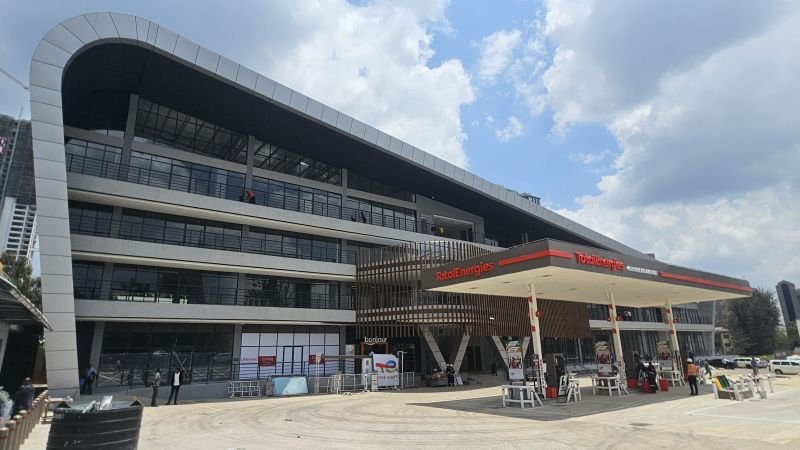

The retail landscape in Kenya is undergoing a structural shift as the sector recovers from previous periods of stagnation. According to data released in the latest market update by Knight Frank Kenya, a combination of new mall deals, aggressive expansions by local and international brands, and a surge in the food and beverage (F&B) segment are currently the primary drivers of occupancy and consumer engagement.
This recovery comes at a time when the broader construction and real estate sectors have faced varied economic pressures. While high interest rates and currency fluctuations have impacted the cost of capital, the retail niche has remained resilient. Developers and landlords are increasingly focusing on diversification within their tenant mixes to ensure steady footfall. The growth is no longer solely dependent on large anchor supermarkets but is being bolstered by smaller, high-frequency lifestyle tenants.
Food and beverage outlets have emerged as the standout performers in this cycle. These businesses are taking up significant portions of newly available space in both established and upcoming shopping centers. The shift indicates a change in consumer behavior, where shopping malls are increasingly viewed as social hubs rather than strictly transactional retail destinations. This trend is supporting high occupancy levels in prime locations, even as new supply enters the market.
Large-scale retail expansions are also notable. Major supermarket chains continue to seek out untapped markets in residential neighborhoods, moving closer to the consumer to compete with traditional informal retail. This strategy has led to a steady absorption of space in neighborhood malls, which often report higher occupancy rates than some of the older, larger regional malls in the Nairobi Metropolitan Area.
Investment in infrastructure has played a silent but critical role in this retail rebound. Improved road networks, such as the Nairobi Expressway and various bypass projects, have enhanced accessibility to once-peripheral areas. These connectivity improvements have made it feasible for developers to break ground on new retail centers in satellite towns, where population density is rising and land is more available for large-format construction.
The construction pipeline remains active, though developers are exhibiting more caution than in previous cycles. There is a visible move toward more efficient, sustainable building designs that cater to international brands with strict environmental, social, and governance (ESG) requirements. This flight to quality is creating a two-tier market, where modern, well-managed assets command higher rents and maintain lower vacancy rates compared to secondary stock.
Market analysts suggest that the "unstoppable rise" of the F&B sector will likely continue to anchor retail developments for the foreseeable future. By integrating entertainment and dining with traditional retail, mall owners are successfully insulating themselves against the competition posed by e-commerce. The focus is now on creating "destination" spaces that offer experiences that cannot be replicated online, a strategy that appears to be paying off in terms of lease renewals and new tenant acquisitions.
Looking ahead, the stability of the retail sector will depend on the continued recovery of the domestic economy and the stabilization of the Kenyan shilling. While the current trend is positive, the high cost of imported fit-out materials and energy remains a concern for contractors and tenants alike. However, the current momentum in occupancy suggests that the appetite for formal retail space in Kenya remains robust, supported by a growing middle class and evolving urban lifestyles.
Comments (0)
Leave a Comment
No comments yet. Be the first to share your thoughts!