
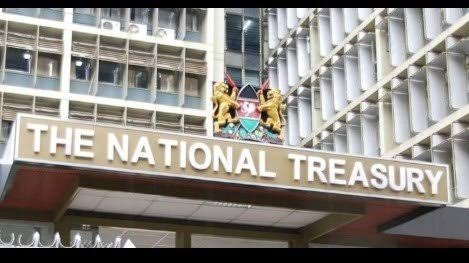

The National Treasury has conceded that the current trajectory of borrowing to fund the national budget is no longer a viable long-term strategy for the country. Treasury Principal Secretary Chris Kiptoo made the admission as the government prepares to navigate a massive Sh1.12 trillion deficit in the upcoming 2025/26 financial year.
This admission comes at a time when the state is actively raiding local and international lending institutions to bridge the gap between revenue collection and expenditure. The irony of the situation, as noted in recent reports, is that while the Treasury acknowledges the risks of high debt, it remains compelled to seek further credit to keep the machinery of government running.
Kenya's fiscal space has tightened significantly over the last few years. High interest rates and a weakening currency have previously pushed up the cost of servicing existing debt, leaving little room for discretionary spending on new infrastructure development. The Sh1.12 trillion deficit represents a substantial portion of the overall budget, necessitating a delicate balancing act for the exchequer.
Industry observers note that the reliance on debt has a direct impact on the construction and infrastructure sectors. When the government faces a credit squeeze, payments to contractors often face delays, leading to stalled projects and increased costs due to interest claims. PS Kiptoo emphasized that revenue mobilization must be scaled up to reduce this dependency.
The government has been under pressure from multilateral lenders, including the International Monetary Fund and the World Bank, to implement fiscal consolidation measures. These measures typically involve a mix of enhanced tax collection and a reduction in non-essential spending. However, the implementation of such policies often meets resistance due to the high cost of living.
For the construction industry, the Treasury's position signals a period of restraint. Major capital-intensive projects may see slower funding cycles as the state prioritizes debt repayment and essential services. The locals, who often benefit from the employment opportunities provided by these projects, may feel the pinch if the pace of development slows down.
President Ruto has previously stated that his administration is committed to reducing the country's debt-to-GDP ratio. Despite these intentions, the structural realities of the Kenyan economy, including a large wage bill and the need to maintain existing assets, continue to drive the demand for fresh borrowing.
PS Kiptoo’s remarks serve as a sobering reminder of the fiscal hurdles ahead. While the government continues to pitch for new investments, the underlying challenge of a Sh1.12 trillion hole in the budget remains a primary concern for policymakers and investors alike.
The 2025/26 financial year is expected to be a test of the government's ability to diversify its revenue streams. Without a significant shift in how public projects are funded, the cycle of borrowing to pay off old debts while financing new ones is likely to persist, according to analysis.
As the budget-making process enters its final stages, the focus will stay on whether the Treasury can find a path to fiscal stability that does not involve further straining the country’s credit lines. For now, the admission by the PS highlights a growing consensus that the status quo is reaching its limits.
Comments (0)
Leave a Comment
No comments yet. Be the first to share your thoughts!