
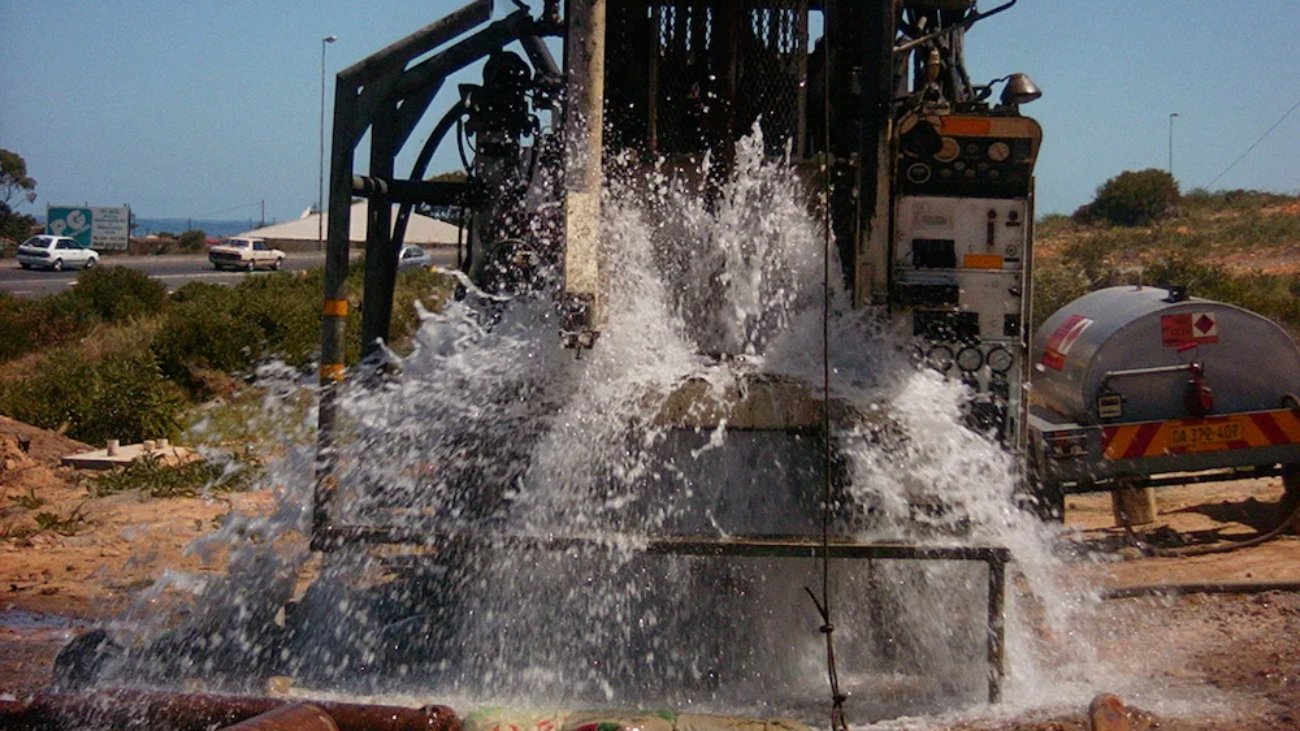

Securing a private water source is becoming a priority for many Kenyan property owners, yet the process of sinking a borehole is far more involved than simply hiring a drilling rig. It is a regulated engineering project that requires a series of approvals from different government agencies to ensure sustainability and safety.
The first step for any developer is commissioning a hydrogeological survey. This must be conducted by a registered geologist who assesses the groundwater potential of the site. This survey is not just a technical guide for where to drill, but a mandatory document required by the Water Resources Authority (WRA) during the application for an authorization to construct a well.
The WRA plays a central role in managing the country's water towers and underground reserves. After reviewing the geologist's report, the authority issues an authorization. This document outlines the specific conditions under which the drilling must happen, including the maximum depth allowed and the volume of water that can be extracted daily.
Environmental considerations are equally critical. Under Kenyan law, borehole drilling is classified as a project that could have an impact on the environment. Therefore, an Environmental Impact Assessment (EIA) report must be submitted to the National Environment Management Authority (NEMA).
NEMA evaluates how the project might affect the local ecosystem and the neighborhood. Only after they are satisfied do they issue a license. For projects in Nairobi or other urban areas, additional clearances from the respective county governments are often necessary to ensure the project aligns with zoning regulations and local infrastructure plans.
Once the paperwork is in order, the actual drilling begins. This phase requires a licensed drilling contractor. It is vital to verify that the contractor is registered with the Ministry of Water and Sanitation. Using unlicensed operators can lead to poorly constructed wells that risk collapsing or contaminating the aquifer, which leads to heavy fines.
Upon completion of the drilling, the work is not yet finished. The law requires a pumping test to determine the yield of the borehole. Water samples must also be taken to a government-recognized laboratory for physical, chemical, and bacteriological analysis. This ensures the water is safe for its intended use, whether for domestic consumption or irrigation.
The final administrative step is obtaining a Water Abstraction License from the WRA. This license is what legally allows the owner to start using the water. It usually involves the installation of a water meter, as the government charges a small fee per cubic meter of water extracted to fund the protection of water catchments.
While the initial costs of surveys, permits, and drilling can be high, the long-term benefit of a reliable water supply often outweighs the investment. However, skipping any of these legal steps can result in the decommissioning of the borehole by the state or legal action against the property owner, according to Nation.Africa.
As groundwater becomes a more sought-after resource, especially in areas with inconsistent municipal supply, the government is likely to increase monitoring. Staying compliant is the only way to protect both the investment and the environment.
Comments (0)
Leave a Comment
No comments yet. Be the first to share your thoughts!